
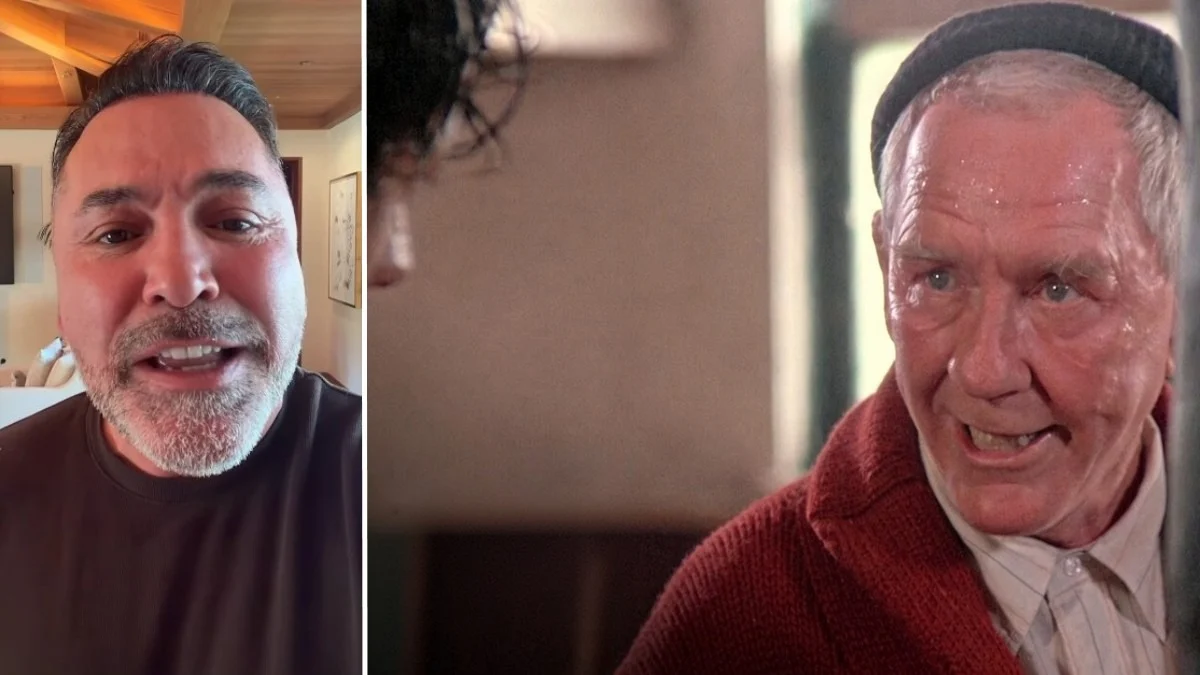
For generations, the intersection of romance, abstinence, and athletic performance has been one of the most enduring talking points in the sport of boxing. While fighters have long debated the physical and psychological toll of intimate relationships during intense training camps, the notion was permanently etched into popular culture nearly fifty years ago by a fictional cornerman. In the classic 1976 film Rocky, veteran trainer Mickey Goldmill famously warned Sylvester Stallone’s underdog character to steer clear of his girlfriend, Adrian, as he prepared for his monumental heavyweight title shot.
"Women weaken legs," Mickey declared bluntly during a grimy Philadelphia training session, dismissing Rocky’s romantic protests with a harsh piece of old-school boxing lore.
Almost half a century after that cinematic moment hit the silver screen, boxing royalty has officially weighed in on the matter. Six-division world champion Oscar De La Hoya has broken his silence to answer whether Mickey’s famous assessment carried any truth, offering a fascinating glimpse into the strict psychological and physical regimen of an elite prizefighter preparing for war.
In a recent video offering candid advice to athletes as part of his series titled Been There Done That, the legendary Golden Boy addressed the age-old question of whether sexual activity before a fight can genuinely compromise a boxer’s performance inside the squared circle. De La Hoya approached the delicate subject with the confidence and authority of a fighter who dominated the sport at the highest levels for decades.
"I’m going to share my two cents on sex before a fight. Just listen and learn from a master," De La Hoya told his audience, setting the stage for a frank discussion. "Is it a real thing? Is it real? Does it make your legs weak?"
Without hesitation, the former Olympic gold medalist delivered his verdict: "I believe it does."
De La Hoya explained that throughout his illustrious professional career, he took this traditional belief with absolute seriousness. Viewing every training camp as a preparation for physical combat, he systematically avoided sexual activity while getting ready to face his opponents. For the iconic champion, maintaining strict discipline outside the gym was just as important as hitting the heavy bags, sparring rounds, and running miles in the pre-dawn hours.
"And I will tell you from experience, there was no boning before a fight for me," he added candidly, emphasizing the absolute nature of his self-imposed restriction.
Whitaker Training Camp Admission
To illustrate just how deeply ingrained this level of discipline was in his training camps, De La Hoya pulled back the curtain on one of the most high-profile preparations of his career. He pointed specifically to the weeks leading up to his blockbuster 1997 welterweight championship showdown against the legendary Pernell Whitaker, widely regarded as one of the most slick and elusive defensive fighters in boxing history.
The mental and physical focus required to face a master boxer like Whitaker demanded total immersion, and De La Hoya’s mind and body were so completely locked into the task that even subconscious distractions were virtually nonexistent—or, in some cases, entirely out of his control.
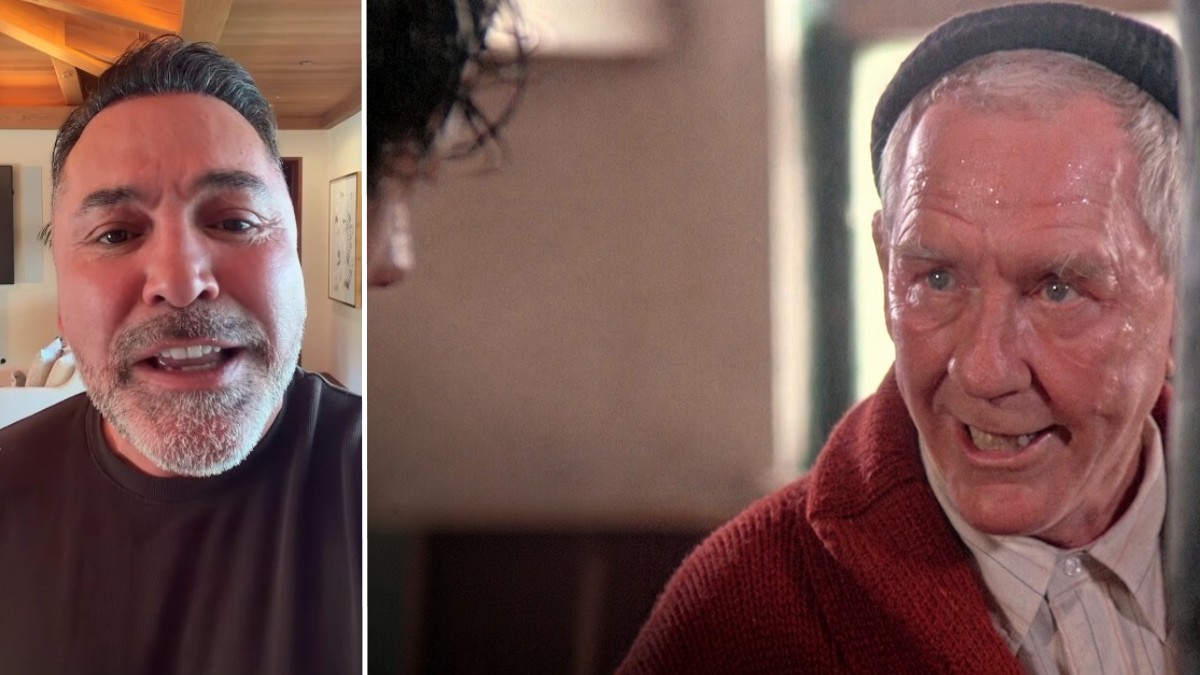
"I was so disciplined on this point that I even had a wet dream one morning while I was training for Pernell Whitaker," he recalled with amusement.
That unwavering dedication paid dividends on April 12, 1997, when De La Hoya stepped into the ring and defeated Whitaker by a unanimous decision. The high-stakes victory earned him the WBC welterweight championship, though the competitive, tactical bout remains a subject of debate among boxing purists and historians who still analyze the scoring today.
However, looking back at his championship run, De La Hoya emphasized that maintaining abstinence was merely one piece of a much larger, grueling puzzle. Success at the elite level, according to the Golden Boy, required a total and uncompromising lifestyle transformation during camp.
"You have to train hard, focus on your craft, and say no to the punani," he advised aspiring fighters looking to reach the pinnacle of the sport.
Taking his old-school philosophy a step further, De La Hoya warned modern athletes against the subtle distractions of the digital age, advising them to ignore phone calls, text messages, and check-ins from romantic interests entirely while locked away in training camp. When a fighter is weeks or days away from competing at the highest level, distractions can disrupt the razor-sharp focus needed to survive and thrive.
"You eat, sleep, and breathe boxing because you’re about to go to war," he explained.
The Truth Behind Mickey’s Warning
Despite De La Hoya’s firm personal beliefs and strict adherence to abstinence, the broader boxing community has never reached a universal consensus on the topic. Over the decades, fighters, trainers, and sports scientists have offered wildly differing accounts regarding whether avoiding intercourse genuinely improves performance inside the ring.
Modern sports science suggests that feeling temporarily relaxed or fatigued after intimate activity is not necessarily synonymous with suffering a permanent loss of strength, explosive power, or cardiovascular stamina during a twelve-round championship bout. Many contemporary athletes and trainers view traditional rules about pre-fight abstinence as psychological rather than physiological, noting that every individual responds differently to the mental pressures of training camp.
Some elite boxers prefer complete abstinence from the moment a camp is announced until the final bell rings on fight night, treating the restriction as a mental test of endurance and willpower. Others see no scientific reason to impose such strict rules, maintaining that healthy personal relationships can actually provide vital emotional support and stress relief during grueling training blocks. Meanwhile, some fighters prefer a middle ground, choosing to abstain only during the final week or days leading up to the opening bell.
Ultimately, there is no single rule or formula that guarantees success for every athlete. De La Hoya’s personal experiences and championship credentials do not definitively prove that Mickey Goldmill’s famous cinematic warning applies universally to every man who laces up a pair of gloves.
What De La Hoya’s reflections do demonstrate, however, is that the psychological weight of old-school boxing traditions remains powerful. For a fighter striving for perfection in an unforgiving sport, adhering to legendary lore can become a vital part of the mental armor required to step into the ring. Mickey Goldmill may have been a fictional character sprung from the imagination of Sylvester Stallone, but for Oscar De La Hoya, the wisdom behind the old trainer’s advice was a very real tool for achieving greatness.