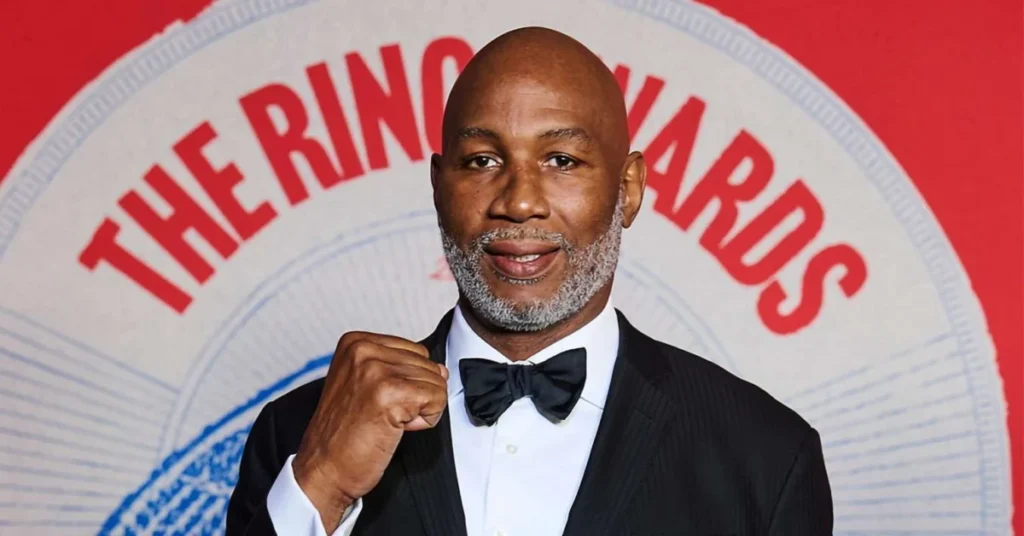
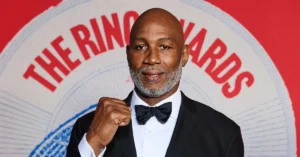
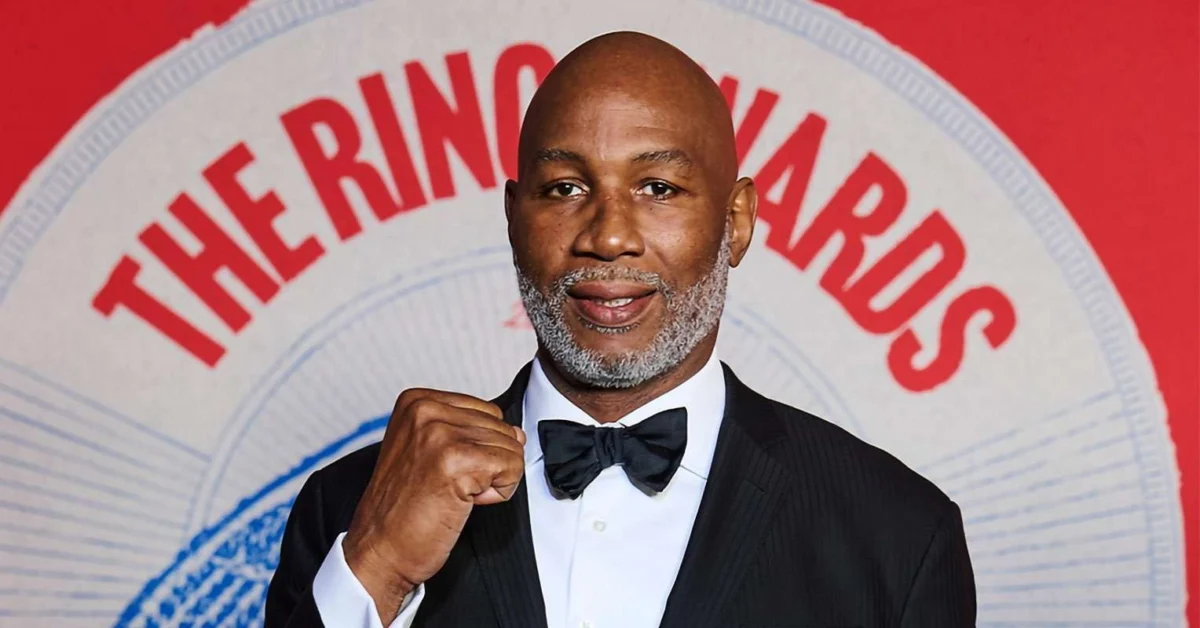
Former undisputed heavyweight champion Lennox Lewis has issued a public plea to Deontay Wilder, strongly advising the veteran American puncher to hang up his gloves and walk away from the sport of professional boxing before he sustains any more lasting physical harm inside the squared circle.
Lewis, a legendary figure in the heavyweight division who retired at the top of his game following a storied career, took to social media to voice his concerns for the long-term health and well-being of the 39-year-old from Alabama. The British-Canadian icon believes that Wilder has already cemented his legacy, earned enough to secure his family’s future, and achieved more than enough in the sport to justify stepping away while he still retains his faculties and health intact for the decades of life that remain ahead of him.
The cautionary advice from Lewis comes at a critical juncture in Wilder’s career, as the former long-reigning World Boxing Council heavyweight champion weighs his options following a turbulent stretch of performances. Wilder, widely known by his fearsome moniker "The Bronze Bomber," has found himself at a crossroads after enduring a difficult run of losses that have prompted many within the boxing community to question his future in a brutal sport where timing and physical preservation are everything.
Lewis knows intimately what it takes to reach the absolute summit of the heavyweight division and understands the immense physical and mental tolls that come with competing at the elite championship level for over a decade. Born in London and representing Canada on the international amateur stage, Lewis enjoyed an incredible professional journey that began shortly after he captured a prestigious Gold Medal at the 1988 Olympic Games held in Seoul, South Korea. That amateur triumph served as the springboard for a legendary professional tenure.
Entering the professional ranks in the summer of 1989 under the guidance of top trainers and promoters, Lewis wasted very little time making a formidable name for himself on the global stage. His devastating punching power, technical precision, and ring IQ allowed him to carve through the heavyweight division during an era widely regarded as one of the most competitive and dangerous in boxing history. His ascent culminated in 1992 when he was declared the world heavyweight champion by the WBC, establishing himself as the premier force in the division.
During his first reign as champion, Lewis made several successful defenses of his crown, turning back tough challengers before suffering a dramatic and unexpected upset defeat against American contender Oliver McCall. Rather than letting the setback define his career, Lewis demonstrated immense resilience and character. He meticulously rebuilt his path back to the top and ultimately avenged his loss to McCall in February 1997, reclaiming the vacant WBC title in a tactical masterclass in Las Vegas.
Lewis’s legendary status was firmly cemented a couple of years later when he faced off against fellow heavyweight great Evander Holyfield. In a hard-fought, historic series of encounters, Lewis defeated Holyfield to capture the undisputed world heavyweight championship, an achievement that stands as arguably the crowning glory of his illustrious career and firmly places him in the conversation as one of the greatest heavyweights of all time. Having walked the path from Olympic glory to undisputed champion, and having walked away from the sport on his own terms as a reigning titleholder, Lewis speaks from a position of profound experience and authority when offering counsel to modern fighters.
Turning his attention to the current generation, Lewis recently utilized his official X profile to deliver a direct and stern message to Deontay Wilder. The former champion highlighted comments that Wilder himself had made prior to his recent struggles regarding his own career longevity and retirement plans.
Addressing his followers and the wider boxing world, Lewis stated that Wilder had previously indicated an intention to step away from the sport if he failed to secure victory in his key matchups. In Lewis’s view, following through on that initial instinct would be the wisest possible path for the former champion to take at this stage of his life.
Emphasizing the importance of life outside of the combat sports arena, Lewis pointed out that Wilder has successfully built a lucrative and secure lifestyle that allows him to adequately provide for his daughter and loved ones. Because the financial foundation has been established through years of dedication and high-profile bouts, Lewis argued that there is no longer any compelling reason for the American knockout artist to continue absorbing the severe punishment that comes with elite heavyweight boxing.
The core of Lewis’s message centered on the preservation of health and cognitive function, warning that continuing to fight past one’s prime increases the risk of irreversible harm. He stressed that before Wilder suffers any more significant physical damage, it is far better to leave the game while his faculties remain completely intact. Highlighting the broader perspective that fighters often lose sight of during their active careers, Lewis reminded the public that there is a vast amount of life to live after boxing concludes, and that health is the ultimate wealth that a retired athlete can carry into their post-fighting years.
Wilder’s career trajectory has faced intense scrutiny following a series of high-profile defeats that altered his standing in the division. Known across the globe for possessing one of the most devastating right hands in the history of the heavyweight division, Wilder dominated the WBC landscape for years, defending his championship belt through a series of memorable and explosive encounters. However, subsequent defeats against elite opposition exposed the physical and tactical challenges he faces as he navigates the twilight of his career.
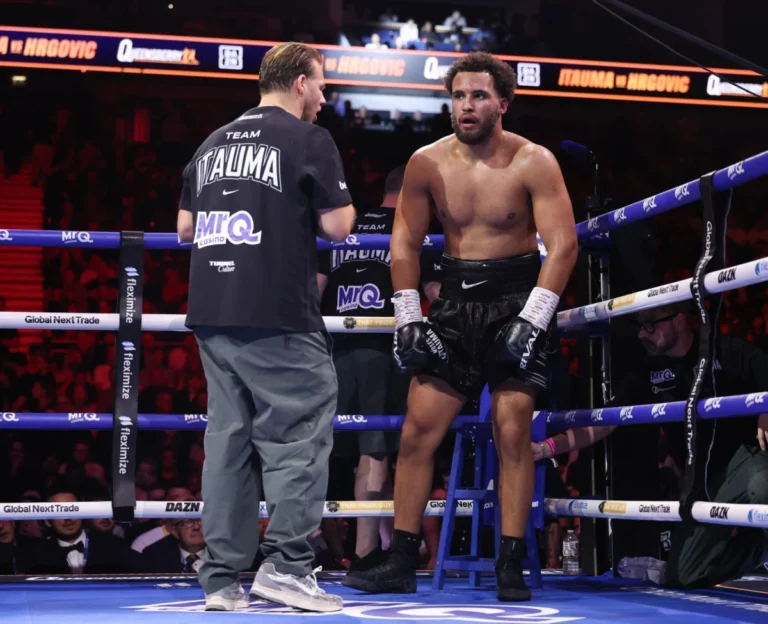
Despite the mounting concerns from legends like Lennox Lewis and prominent voices across the sport, Wilder has continued to express a fierce competitive desire to lace up the gloves once more. Plans have circulated for "The Bronze Bomber" to make his anticipated return to the ring in the coming months, with a scheduled clash against Tyrrell Herndon set to take place in Wichita. This upcoming bout represents an opportunity for Wilder to test his skills and determine whether he still possesses the championship fire that once made him one of the most feared fighters on the planet.
For Wilder, the upcoming fight in Wichita marks his first appearance since suffering a crushing and definitive knockout defeat at the hands of Zhilei "Big Bang" Zhang last June. That stoppage loss raised significant questions regarding his durability and future viability at the top level of the heavyweight division. Yet, despite the gravity of that defeat, the 39-year-old former champion has remained steadfast in his refusal to permanently walk away from the sport just yet.
Wilder’s stated intentions involve pressing forward with his career, securing a victory in his return, and potentially positioning himself for one final, desperate attempt to climb back to the summit and recapture the world heavyweight championship. Whether that ambitious goal is realistic in a division currently dominated by younger, fresher, and increasingly skilled contenders remains a subject of intense debate among analysts, fans, and former champions alike.
While the boxing world watches closely to see how Deontay Wilder approaches his upcoming return against Tyrrell Herndon, the cautionary words of Lennox Lewis linger in the background as a reminder of the harsh realities of the fight game. As Wilder prepares to step back under the bright lights in Wichita, the debate over legacy, health, and the difficult art of knowing when to walk away continues to define the closing chapters of a remarkable and explosive heavyweight career.