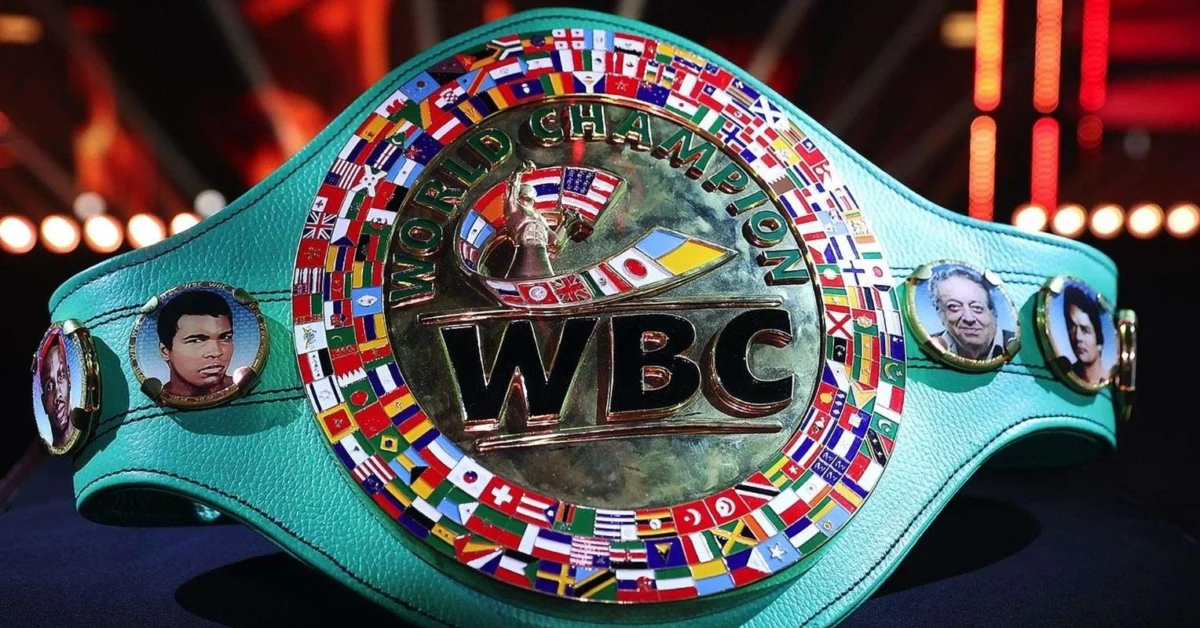
Former longtime WBC heavyweight champion Deontay Wilder has announced his intention to mount a comprehensive resurgence in the sport, declaring that he intends to reclaim dominance over the division as he prepares to step back inside the ring. The hard-hitting 39-year-old native of Tuscaloosa, Alabama, is organizing a campaign to rebuild his standing among the heavyweight elite following a difficult stretch that saw him drop back-to-back contests against top-tier competition. With a non-title assignment scheduled for June 27 in Wichita against Texas native Tyrrell Herndon, Wilder insists his ambitions stretch far beyond a simple return bout, framing the upcoming appearance as the opening salvo in a renewed pursuit of undisputed championship status.
Wilder’s declaration marks a defining crossroads in one of the most prominent heavyweight careers of the modern era. Having stood as the WBC heavyweight champion between 2015 and 2020, Wilder established himself as one of the most destructive punchers in the sport’s history, successfully defending his green-and-gold belt ten consecutive times before his reign came to an abrupt halt. However, recent outings have painted a far more complicated picture for the American knockout artist. Wilder has dropped four of his last five professional bouts, a sequence that fundamentally altered his standing in the title picture and raised persistent questions within the boxing community regarding his longevity and competitive ceiling at the highest level.
The downturn began in earnest during his high-profile rivalry with Tyson Fury, specifically their February 2020 rematch in Las Vegas, where Wilder was halted in seven rounds to surrender the WBC belt he had held for half a decade. Although he returned for an enthralling trilogy bout that earned widespread acclaim for its dramatic shifts in momentum, the subsequent stretch of his career proved unforgiving. More recently, Wilder found himself outpointed by former WBO heavyweight champion Joseph Parker in a tactical encounter that saw the American uncharacteristically subdued, unable to unleash the trademark right hand that had long defined his path to victory. That setback was compounded when he shared the ring with the formidable Chinese southpaw Zhilei “Big Bang” Zhang, who capitalized on openings in Wilder’s guard to secure a stoppage victory.
Faced with back-to-back defeats against Parker and Zhang, many observers questioned whether Wilder would choose to walk away from prizefighting altogether. Instead, “The Bronze Bomber” has firmly rejected retirement talk, maintaining that his desire to compete at the world-championship level remains entirely undiminished. Speaking in an interview with TMZ Sports, Wilder projected unyielding self-belief, recalling his initial rise to the championship summit and promising to replicate that transformative energy in his latest venture.
“I’m coming back for all the belts, you know the heavyweight division I brought it back years ago in 2015 and I’m gonna bring it back again,” Wilder stated, underscoring his belief that his presence is vital to the broader health and spectacle of the heavyweight landscape.
Wilder’s reference to 2015 reflects a pivotal era in his career, when his victory over Bermane Stiverne ended an extended drought for American heavyweight champions and introduced an electric, knockout-driven persona to the world stage. Throughout that five-year championship reign, Wilder’s fights became must-see events, built upon the premise that regardless of technical deficits or lost rounds on the judges’ scorecards, a single concussive blow could alter the outcome at any moment. In reiterating that history, Wilder is attempting to tap into the very identity that propelled him to global prominence, framing his comeback not as a nostalgic farewell tour, but as a calculated mission to regain world honors for a second time.
The first step in that reclamation process will take place far from the glitz of Las Vegas or the lucrative mega-events of international prize rings, as Wilder heads to Wichita to headline against 37-year-old Tyrrell Herndon. The bout represents a classic recalibration exercise: a non-title matchup designed to allow a veteran champion to shake off ring rust, test physical adjustments, and regain the timing and confidence that appeared diminished against Parker and Zhang. Despite the clear disparity in profile between the two fighters, Wilder acknowledged that looking past an opponent in the heavyweight division carries inherent peril.
“I’m taking him seriously, we’ve got a lot of fights lined up for this year, two for sure but three maybe,” Wilder told TMZ Sports when addressing the Herndon matchup. “It’s going to be a great fight whilst it lasts but this warm up, tune up, I’m taking it serious and once completing the task then we move on into the limelight of the bigger and better fights. This is the tester.”
Wilder’s characterization of the June 27 date as both a “tester” and a “tune up” illustrates the delicate psychological balance veteran fighters must strike when stepping down in class. On one hand, Wilder openly views Herndon as a bridge toward far more lucrative and historically significant opportunities; on the other, he recognizes that an uninspired or disastrous performance in Kansas would effectively close the door on any future headlining bouts. At 37 years old, Herndon enters the contest with the opportunity of a lifetime, aware that an upset over a fighter of Wilder’s pedigree would fundamentally transform his own standing in the sport.
Equally notable in Wilder’s remarks is his stated desire to maintain an unusually active calendar. In an era where elite heavyweights frequently fight only once a year—often waiting extended periods for complex promotional negotiations to conclude—Wilder’s blueprint of staging two or potentially three fights within a single calendar year signals an urgent drive to make up for lost time. Approaching his 40th birthday, the former champion appears cognizant that the biological clock is ticking, leaving little room for prolonged layoffs if he hopes to maneuver himself back into mandatory positioning or contention for major world titles.
Should Wilder emerge unscathed and deliver an emphatic performance in Wichita, the horizon holds several compelling possibilities that continue to capture the public imagination. Foremost among them remains a long-discussed clash with two-time unified heavyweight champion Anthony Joshua. For years, a collision between Wilder and Joshua was hailed as the biggest and most lucrative matchup in global boxing, a transatlantic unification showdown that eluded promoters and broadcast networks during both men’s respective championship reigns. Even in the aftermath of their subsequent career stumbles, the prospect of pitting Wilder’s raw, explosive power against Joshua’s polished offense remains an extraordinarily attractive commercial venture for the sport’s major decision-makers.
In addition to the perpetual speculation surrounding Joshua, Wilder has also responded to public overtures from veteran heavyweight contender Jarrell “Big Baby” Miller. Miller, an outspoken presence known for his relentless pressure and durable chin, has actively campaigned for an encounter with the former WBC titlist, presenting another stylistic contrast that could serve as a high-visibility test for Wilder’s renewed ambitions. However, as Wilder’s camp navigates these lucrative options, the immediate priority remains squarely focused on the assignment at hand.
The margin for error for Wilder on June 27 could hardly be thinner. The heavyweight division is notoriously unforgiving, where aging punchers who rely heavily on fast reflexes and explosive athletic bursts often face rapid declines once those attributes begin to fade. Wilder’s recent showings against Parker and Zhang demonstrated that when opponents remain disciplined, work behind steady guards, and avoid panicking under his feints, the former champion can be contained and counterpunched. For Wilder to convince the broader boxing world that his talk of unifying “all the belts” is grounded in reality rather than wishful thinking, he must not only defeat Herndon, but do so with the vintage ferocity that once made him the most feared heavyweight on the planet.
As preparations continue for his Midwestern outing, Wilder’s focus remains undivided on demonstrating that the physical traits that carried him through ten WBC title defenses have not deserted him. The road back to the summit of the sport is steep, especially following four defeats in five outings, but the former champion remains steadfast in his conviction that his narrative in the heavyweight division is far from concluded. When the opening bell sounds in Wichita next month, the boxing world will receive its first definitive answer as to whether Wilder’s final push toward championship glory has substance, or whether the division he once ruled has irrevocably moved on without him.