Long before modern crossover boxing spectacles dominated sports headlines, Mike Tyson’s name was synonymous with pure, unadulterated devastation inside the squared circle. During the zenith of his professional career, the fighter known universally as "Iron Mike" possessed a sensational win-to-knockout ratio that sent profound shockwaves through the sport of boxing, altering the heavyweight division forever and leaving an indelible mark on combat sports history.
"Iron Mike" burst onto the heavyweight scene during the mid-1980s with a ferocity that the sport had rarely witnessed. He made his professional debut in the spring of 1985 when he was just 18 years old, embarking on a tear through the division that would quickly become legendary. Operating under the legendary tutelage of Cus D’Amato, the young Tyson utilized a terrifying combination of peek-a-boo defense, extraordinary head movement, and concussive punching power that overwhelmed seasoned professionals before they even had time to settle into a rhythm.
The statistics from the early phase of his career remain staggering to this day. Tyson won his first 19 career outings via stoppage, an onslaught of violence that terrorized the heavyweight landscape. Crucially, 12 of those 19 victories came in the opening round, as opponents crumbled under the sheer weight and speed of his assaults. The boxing world watched in awe as the teenager from Brooklyn methodically dismantled every challenger put in front of him, turning championship aspirations into an immediate reality.
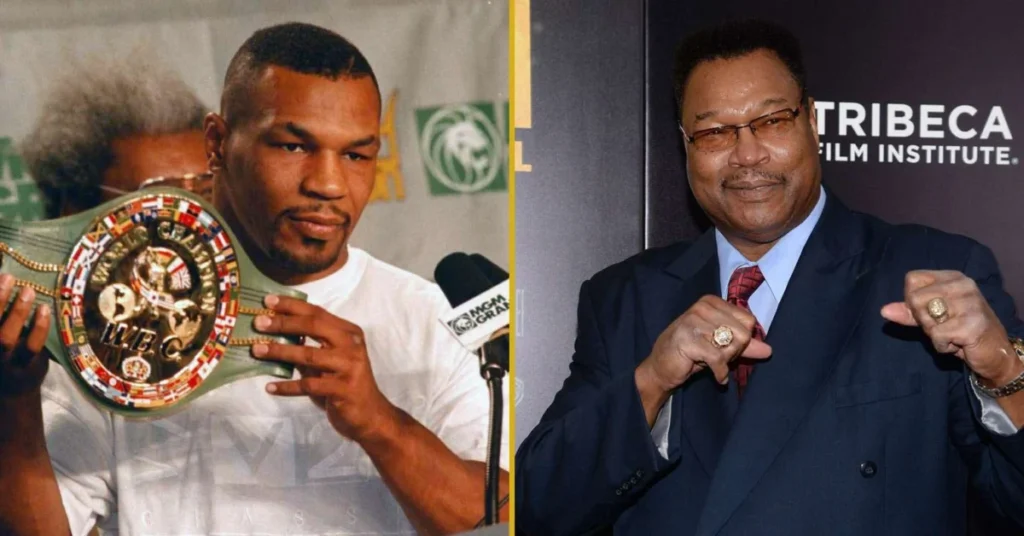
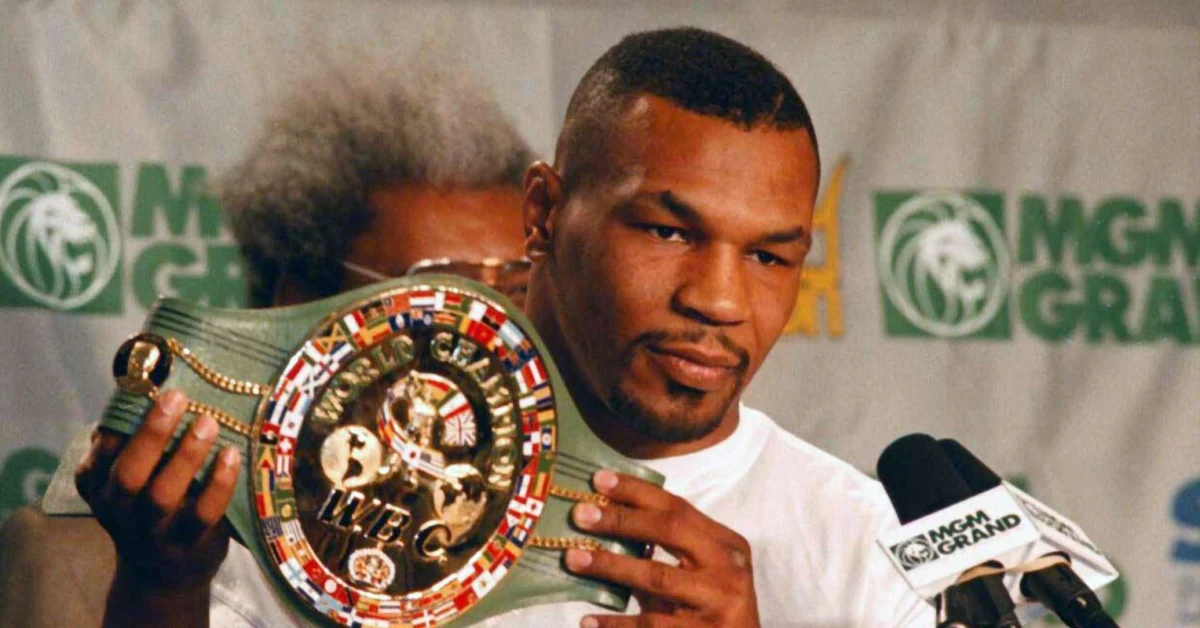
Just one year after making his professional debut, Tyson captured world honors for the first time. On a historic night in 1986, he faced Trevor Berbick and delivered a masterclass of destruction, knocking Berbick out in the second round. With that single, definitive blow, Tyson not only captured the WBC heavyweight championship but also etched his name into the record books as the youngest ever heavyweight champion in boxing history—a record that still stands today as a testament to his freakish early-career dominance.
Tyson’s subsequent reign as world champion lasted for four years, a period defined by terrifying defenses against the top contenders of the era. During this golden championship era, he defeated the likes of Michael Spinks, Frank Bruno, and Larry Holmes, dispatching legends and contemporaries alike with clinical efficiency. Victories over WBA champion James Smith and IBF champion Tony Tucker followed, cementing his status at the very pinnacle of the sport. Through these unifying performances, "Iron Mike" became the undisputed heavyweight champion of the world, ruling over a division he had captured by storm.
Every empire, however, eventually faces its twilight or a historic stumble. Tyson’s initial, terrifying aura of invincibility was famously punctured when he was beaten by James "Buster" Douglas in a monumental upset in Tokyo, stunning the global sporting community and forever altering the landscape of heavyweight boxing.
Years later, as his career wound down into its final chapters, another fighter would famously share the ring with the former undisputed king and write the final competitive chapter of Tyson’s professional career. That man was Irish heavyweight Kevin McBride, who stepped into the ring with the boxing icon back in 2005.
Though McBride secured a historic victory over "Iron Mike" that summer evening—a fight that ultimately prompted Tyson to hang up his gloves for nearly two decades—the victory did nothing to diminish McBride’s immense respect for his opponent’s otherworldly capabilities. In the years that have followed, McBride has consistently maintained a sense of awe regarding the sheer physical trauma of sharing a ring with Tyson, proving that the memory of "Iron Mike’s" fists is one that never truly fades.
Speaking in an interview with Bloody Elbow, McBride revealed that he can still vividly feel the incredible power of "Iron Mike," even two decades since they stood across from each other in the professional prize ring. The passage of time has done nothing to dull the Irishman’s recollection of what it felt like to absorb blows from one of the most feared punchers in the history of combat sports.
Reflecting on the enduring legacy of Tyson’s physical gifts, McBride noted that a fighter’s fundamental strength is almost always the very last attribute to abandon them as they age, drawing historical parallels to other heavyweight legends who defied the aging process through sheer force.
"Mike Tyson’s power is unbelievable. I still feel it to this day, more than 19 years later," McBride stated. "He hits so hard and power is the last thing to go. George Foreman proved that against Michael Moorer. Sure he was a bit younger than Mike is now but power-wise it is one of the biggest punches in history."
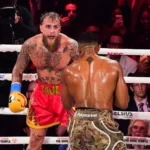
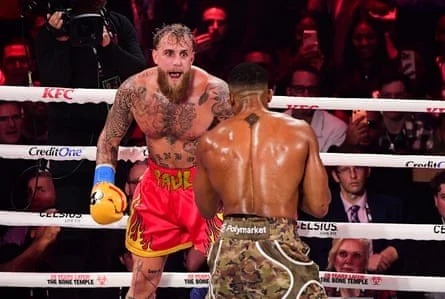
The echoes of that legendary power continue to reverberate through the sport, keeping Tyson relevant in the modern combat sports conversation. The boxing icon made a sensational yet highly controversial return to the professional ring last November, stepping back under the bright lights at the AT&T Stadium in Texas to face social media star-turned-boxer Jake Paul.
The bout, which marked a massive commercial spectacle broadcast globally, saw Tyson struggle through a frustrating eight-round contest against his much younger opponent. The event ultimately ended in a decision victory for Paul, sparking widespread discussion, analysis, and considerable criticism from boxing purists, fans, and pundits globally who lamented seeing an aging legend return to the canvas under such modern circumstances.
Yet, despite the controversies of his later exhibitions and the inevitable march of time, testimonials from men like Kevin McBride serve as a permanent reminder of what Mike Tyson truly was in his prime: a once-in-a-generation force of nature whose concussive power left physical memories that last a lifetime.