
Phill Hulands, a Geelong father, has achieved a remarkable feat, rising from the depths of despair and a wheelchair to become an Australian boxing champion. His journey, marked by profound loss and an unyielding spirit, is a testament to the transformative power of finding purpose and fighting for it, both inside and outside the ring. Once told he would never walk again, Hulands’ life took a dramatic turn, leading him to discover a lifeline in boxing that ultimately saved him from his darkest demons and propelled him to an unexpected, historic victory.
The harrowing reality for Phill Hulands began with a devastating diagnosis. A severe back injury, sustained during a construction accident, left him with the grim prognosis that he would never walk again. The news plunged him into a spiral of despair. The physical limitations were immense, but the psychological toll was even more profound. Facing a future confined to a wheelchair, Hulands grappled with a loss of identity, purpose, and hope. The physical pain was a constant companion, but the emotional anguish of being stripped of his ability to move freely and engage with the world as he once knew it was almost unbearable. He described this period as a "darkness" he couldn’t escape, a feeling of being trapped within his own body. The vibrant, active life he had known was replaced by a stark, limited existence, and the future seemed bleak.
It was during this period of profound hopelessness that a flicker of possibility emerged, quite unexpectedly. A chance encounter, a suggestion from a friend, or perhaps a desperate search for any avenue of escape, led Phill Hulands to the boxing gym. Initially, his participation was tentative, driven more by a need for distraction than any aspiration for athletic achievement. The idea of a man in his condition stepping into a boxing ring might seem improbable, even absurd, but for Hulands, it represented a tangible challenge, a way to push against the boundaries that had been imposed upon him. He began with light training, focusing on upper body movements and adapting exercises to his physical capabilities. The gym, with its disciplined atmosphere and the cathartic release of physical exertion, began to offer him a sense of agency he had lost.
The transformation was not immediate, nor was it without its struggles. Every movement was a reminder of his injury, every exertion a test of his resilience. Yet, with each session, Hulands discovered a growing strength, not just physically, but mentally. The repetitive rhythm of training, the focus required to master techniques, and the camaraderie of fellow boxers provided a much-needed anchor. He found that the discipline of boxing demanded a level of mental fortitude that began to chip away at his despair. The trainers and fellow boxers, recognizing his determination, offered encouragement and support, fostering an environment where he felt seen and valued, not defined by his disability.

As his physical conditioning improved, so did his aspirations. The initial goal of simply coping evolved into a desire to achieve. He started to work on his footwork, ingeniously adapting techniques to incorporate the use of his legs, even if it wasn’t in the conventional sense. His boxing style became unique, a testament to his ingenuity and refusal to be limited. He learned to leverage his upper body strength and his balance, creating a powerful and unpredictable fighter. The boxing ring, once an unthinkable arena, became his sanctuary, a place where his limitations seemed to recede, replaced by a focus on his capabilities.
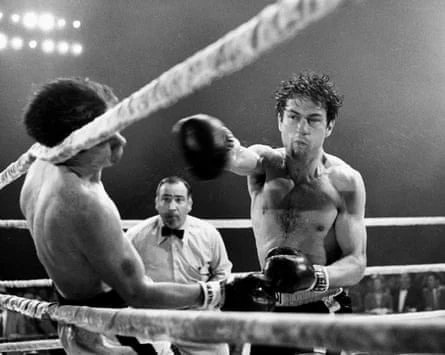
The ultimate validation of his incredible journey came when Phill Hulands stepped into the ring for a championship bout. The opponent was formidable, and the stakes were incredibly high. The fight itself was a grueling test of endurance and skill. Every punch thrown, every dodge made, was a victory in itself, a defiance of the doctors’ initial prognosis. The crowd, aware of his extraordinary story, roared with support, witnessing a man who had defied all odds. The image of him in the ring, a champion in the making, was a powerful symbol of human resilience.
The moment of victory was overwhelming. As the final bell sounded and the judges declared him the winner, Phill Hulands, the man who was told he would never walk again, stood (or rather, was supported and celebrated) as an Australian champion. The emotions that washed over him were a complex tapestry of relief, triumph, and profound gratitude. He later confessed that in that moment, "he started crying," tears of joy and disbelief at the incredible arc of his life. The championship belt, a tangible symbol of his hard-won success, represented not just a sporting achievement, but a personal redemption. It was a testament to his refusal to surrender, his embrace of a new path, and his unwavering fight for a life of meaning and purpose.
Phill Hulands’ story is more than just a tale of athletic triumph; it is an inspiring narrative of overcoming adversity. His journey from the despair of a wheelchair to the pinnacle of Australian boxing highlights the incredible capacity of the human spirit to adapt, to persevere, and to find strength in the most unexpected places. His nickname, "The Boxing Yak," a moniker that reflects his tenacious spirit and perhaps his humble beginnings, now resonates as a symbol of resilience for many. His life serves as a powerful reminder that limitations are often self-imposed or societal perceptions, and that with courage, determination, and a willingness to fight, even the most insurmountable challenges can be conquered. He has not only won a championship belt but has also reclaimed his life, proving that the fight for dignity and purpose is the most important battle of all. His story continues to inspire, offering hope and a powerful message of possibility to anyone facing their own daunting challenges.