


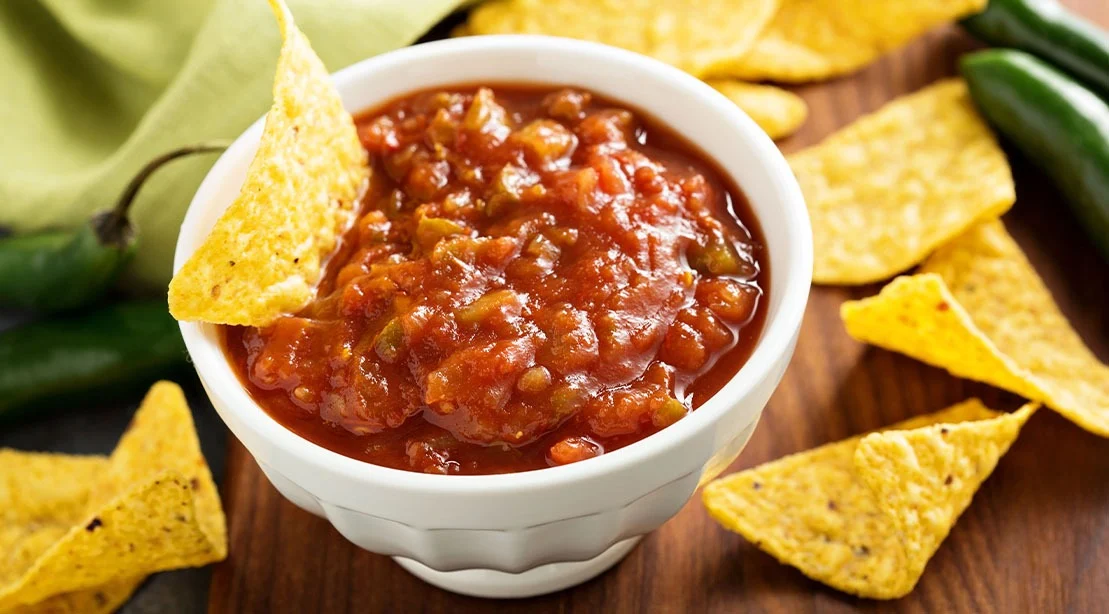
There is a reliable reason why salsa remains one of the most enduring and widely purchased condiments in modern grocery stores. Not only can it be paired effortlessly with a bowl of crisp tortilla chips, but salsa can also instantly transform ordinary, uninspiring meals into something genuinely flavorful. It serves as a definitive antidote against bland dietary food or the exhausting need to prepare complex, time-consuming recipes simply to achieve a satisfying taste profile. Dumping a generous scoop of vibrant salsa onto what is almost guaranteed to be a dry, tasteless chicken breast suddenly turns a chore of a meal into something actually worth eating.
Achieving meals with significantly more flavor does not require sacrificing nutritional integrity. Whether a consumer prefers their salsa spicy or mild, chunky or smooth, keeping a jar stored in the pantry is a practical culinary strategy. After all, taco night is rarely far away in most households. Yet, salsa is certainly useful for much more than acting as a simple dip for chips. It stands out as an incredibly versatile condiment capable of breathing new life into morning eggs, grilled chicken, baked fish, green salads, warm baked potatoes, and countless other dishes.
Beyond its culinary versatility, the nutritional virtues of salsa deserve considerable recognition. Traditional salsas tend to be much more calorie-conscious than heavy dips, creamy sauces, and oil-heavy dressings. Furthermore, they are typically crafted from wholesome foundational ingredients like tomatoes that pack a noticeable nutritional punch, offering antioxidants and essential vitamins without heavy caloric penalties.
While homemade salsa is undeniably delicious, it is not always convenient to prepare from scratch amidst a busy schedule. This is where commercial, store-bought varieties prove invaluable. The classic supermarket condiment has evolved into something much more sophisticated and diverse since it first surged in popularity across American households back in the 1970s. Today, shoppers are greeted by an expansive array of brands and amazing flavor profiles ranging from traditional salsa verde to freshly chopped pico de gallo.
However, not all commercial salsas are created equal. Some products on supermarket shelves are compromised by excessive amounts of added salt, refined sugars, and odd-sounding chemical preservatives. With such a massive variety of options currently available to consumers, navigating the condiment aisle to find a salsa that best supports individual health and fitness goals can feel like a perilous endeavor.
To solve this everyday nutritional conundrum, shoppers frequently find themselves squinting at condiment aisles and reading countless fine-print nutrition labels in an effort to figure out how to choose the healthiest salsa every time. Understanding what truly matters on a label prevents a lackluster store-bought salsa from ruining the nutritional balance of a game-day spread or a clean-eating meal plan.
How to Choose a Healthy Store-Bought Salsa: Core Nutrition Rules
Choosing the healthiest store-bought salsa is a skill, and much like any other culinary skill, it becomes significantly easier with practice. Consumers are advised not to get bogged down excessively by calorie counts, as traditional salsa is naturally low in calories. Instead, attention should be directed toward specific nutritional elements that successfully differentiate a superior, high-quality salsa from one that falls short of dietary standards.
The ingredient list should always serve as the primary screening tool. A truly great commercial salsa should feature ingredients that read like a recipe written for home preparation: think tomatoes, onions, jalapeños, cilantro, lime juice, vinegar, and natural salt. If a shopper spots head-scratching chemical words like sodium benzoate, potassium sorbate, or xanthan gum, it serves as an immediate red flag indicating a more heavily processed product.
Sodium content is another critical factor that deserves priority when evaluating salsa nutrition. Commercial jars of salsa can frequently act as hidden sodium bombs, a problem that becomes even more pronounced when the condiment is served alongside naturally salty foods like tortilla chips or seasoned snack crackers. For many individuals, consuming excessive amounts of sodium can be detrimental to long-term cardiovascular health. Nutritionists generally recommend looking for salsa varieties that contain under 160 milligrams of sodium per serving. While a standard serving is typically measured as just two tablespoons—an amount that few people actually stick to—some exemplary brands manage to get this sodium number below 100 milligrams per serving. Conversely, it is not difficult to find commercial brands that unleash 300 milligrams or more of sodium into a single serving. When individuals consume a realistic amount of salsa, which routinely far exceeds two tablespoons, these figures can quickly accumulate into a concerning amount of dietary sodium. Selecting a brand that has purposefully reduced its salt content ensures that condiment lovers can indulge a bit more generously without completely throwing off their daily nutritional balance.
Added sugars represent another vital checkpoint during the label-reading process, and ideally, this metric should rest at a big, fat zero. Fresh tomatoes contain natural sugars, which are completely acceptable and expected. However, there is simply no nutritional justification for seeing refined sugar, liquid corn syrup, or high-fructose corn syrup listed among the ingredients. Commercial brands sometimes resort to adding extraneous sugars to compensate for utilizing inferior, low-quality tomatoes or produce. While the total volume of sugar added to a standard salsa is rarely massive on its own, daily added sugar intake accumulates across all consumed foods, making it wise to eliminate it wherever possible.
Evaluating the heat level of a salsa reveals interesting insights. From a strict nutritional standpoint, the spice level has a negligible impact on overall calories, sodium content, or sugar metrics. A scorching hot version of a specific brand will be virtually identical to its mild counterpart in those exact categories. Nevertheless, there are distinct physiological health benefits associated with opting for options that induce a mild sweat. Capsaicin is the naturally occurring active compound found in chili peppers that grants them their fiery kick. Emerging scientific research suggests that consuming capsaicin can help support lower overall daily calorie intake and may exert a beneficial impact on the human gut microbiome. For those who prefer their salsa mild and tame, there is no need to worry; the core health benefits of salsa originate fundamentally from its vegetable base rather than its heat level.
The presence of organic certification is another element shoppers encounter. Choosing an organic salsa guarantees that the agricultural ingredients, such as tomatoes and peppers, were cultivated without the application of most synthetic pesticides and chemical fertilizers. This represents a positive step for individuals looking to minimize their potential dietary exposure to these substances. However, consumers must remember that an organic salsa can still fall short from a broader nutritional perspective. Organic cane sugar is still fundamentally sugar, and excessive sodium remains sodium regardless of certification. Therefore, shoppers must continue reading nutrition labels carefully even when purchasing a certified organic salsa verde or chunky tomato blend.
Top Store-Bought Salsas Vetted by Nutritionists
Finding products that successfully clear these rigorous nutritional hurdles without compromising on authentic flavor requires careful curation. Over the years, food manufacturers have introduced numerous formulations designed to meet the growing consumer demand for cleaner, lower-sodium, and additive-free condiments. When evaluated against strict criteria—such as clean ingredient decks, minimal or zero added sugars, and controlled sodium levels—certain commercial options consistently stand out above the rest.
These vetted store-bought salsas prove that convenience does not have to come at the expense of health. Whether shoppers are stocking up for a weekend gathering or preparing simple weeknight dinners, selecting a nutritionally sound salsa allows individuals to enjoy bold, zesty flavors while staying aligned with their personal wellness objectives. As the condiment market continues to evolve, informed label reading remains the most effective tool for everyday grocery shoppers aiming to make the healthiest possible choices.