


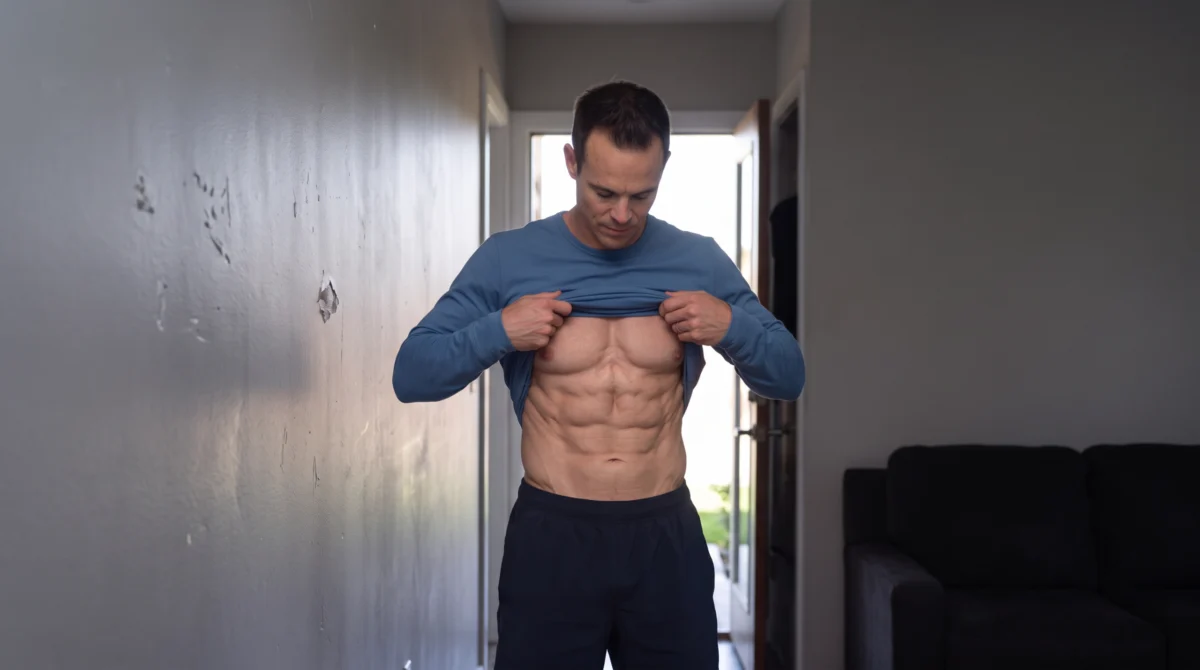
Getting lean does not require complex strategies, expensive supplements, or extreme, punishing measures. That is the core message from professional bodybuilder and fitness influencer Chris Bumstead, an athlete who spent 15 years competing at the highest levels of professional bodybuilding and successfully dieting down to an astonishing four percent body fat multiple times throughout his career.
In a recent video shared on his YouTube channel, Bumstead broke down his comprehensive approach to fat loss, revealing a framework that is refreshingly straightforward. While his career demanded extreme physiological peaks, the strategies he shares are not reserved exclusively for elite athletes. Instead, they are practical, foundational principles that anyone can use to transform their physique without obsessing over every minute detail of their daily routine.
Track Everything You Eat
Bumstead emphasizes that measurement is the absolute foundation of any physical progress. In his view, what is not measured cannot be effectively managed. He notes that if the average person who is not deeply immersed in the fitness world simply starts a food journal and writes down every single thing they consume, they are significantly more likely to lose weight.
Tracking creates essential self-awareness. Most individuals significantly underestimate their daily calorie intake, making it nearly impossible to consistently create the caloric deficit required for fat loss. Writing down meals or logging them into an application reveals hidden patterns, mindless snacking, and overlooked calories that frequently sabotage results.
Weigh Yourself Daily (At First)
While daily weigh-ins might sound obsessive or counterproductive to some, Bumstead argues they are essential during the early stages of a fat loss journey. When an individual weighs themselves every single day at the same time, they can establish a weekly average. This rolling average allows them to see how their weight is actually trending and whether progress, whether up or down, is consistent.
Daily measurements help smooth out the inevitable daily fluctuations caused by water retention, sodium intake, and hormonal shifts. A weekly average provides accurate, objective feedback about whether a chosen dietary approach is actually working. Once an individual reaches their goal weight or establishes stable healthy habits, backing off from daily tracking makes sense to avoid unnecessary psychological stress.
Find Your True Baseline
Generic calorie calculators and cookie-cutter meal plans rarely deliver optimal results because they fail to account for individual biology. Bumstead stresses that metabolic differences make one-size-fits-all approaches largely useless. Everyone’s body responds differently, and individual metabolisms fluctuate throughout the year and even throughout the month.
According to Bumstead, people need to understand what they have been eating and what their body currently requires to maintain its existing weight before making any adjustments. By tracking current intake for one to two weeks without altering anything, an individual establishes their true maintenance calories. From that baseline, reducing intake by two to three hundred calories allows for a measured response, ensuring that adjustments are based on real-world results rather than arbitrary numbers.
Master the Big Three: Calories, Protein, Whole Foods
Nutrition does not need to be complicated with endless restrictions. Bumstead advocates for a simple hierarchy of nutritional priorities that keeps things effective without inducing mental fatigue. The primary focus should always be total calories, followed closely by protein intake to support muscle retention and physical strength, and finally the inclusion of whole foods.
By prioritizing whole foods over heavily processed options, individuals naturally increase their intake of essential micronutrients. This streamlined approach eliminates the stress of hitting exact micronutrient targets while ensuring the body receives adequate nourishment during a fat loss phase.
Strategic Foods That Make Dieting Easier
Managing hunger is one of the greatest challenges of any fat loss phase, but certain foods can deliver maximum volume and satisfaction with minimal caloric cost. Bumstead relied on specific dietary staples during his competition preparation to keep hunger at bay.
Protein shakes, for instance, play a major role in making dieting easier because they fill you up efficiently while remaining very low in calories. During his competitive years, Bumstead also famously incorporated unconventional volume hacks, such as adding shredded lettuce to almost every meal he ate, joking that you have to shred lettuce to get shredded. These simple dietary swaps help make caloric restriction feel significantly less restrictive.
Embrace Hunger as Feedback
Most people try to avoid physical discomfort at all costs, but Bumstead suggests reframing hunger as a positive signal rather than an enemy. Valuable achievements in life often require hard work, and Bumstead advises leaning into those difficult moments instead of running from them.
When hunger strikes, he recommends a psychological shift. Instead of lamenting the discomfort, individuals should view it as confirmation that their body is actively burning fat. Accepting temporary discomfort as a normal, necessary part of the process reduces psychological stress and builds long-term resilience.

Cardio: A Tool, Not a Requirement
Cardio is frequently misunderstood as a mandatory punishment for fat loss, but Bumstead views it simply as a tool to make the process more sustainable. Engaging in cardiovascular exercise increases energy expenditure, which in turn allows an individual to consume slightly more food while still maintaining a deficit. This dynamic helps the body function like an efficient engine constantly processing fuel.
During his preparation for the Olympia stage, Bumstead’s cardio consisted entirely of low-intensity treadmill walking at 3.7 miles per hour. He would typically start with twenty minutes daily and gradually increase the duration as the competition approached. For beginners, he recommends manageable ten-to-fifteen-minute walks after each meal. This gentle approach aids digestion, reduces stress, and burns calories without triggering excessive fatigue or ravenous hunger.
Train Heavy, Stay Strong
One of the most persistent myths in the fitness community is that transitioning to high-rep, lightweight training is necessary to burn fat. Bumstead calls this notion completely wrong. The primary goal during a fat loss phase should be to maintain your standard training intensity and stay as strong as possible for as long as you can.
By maintaining heavy training loads, you signal to your body that your existing muscle mass is still required, which helps preserve tissue while calories are reduced. While some decline in strength is inevitable during an extended caloric deficit, a rapid drop in performance indicates that calories are being cut too aggressively.
Minimize Decisions by Creating Systems
Decision fatigue is a major obstacle that frequently sabotages consistency. Bumstead combats this by automating as much of his routine as possible. During his Olympia preparations, decision-making was minimized because he ate the same foods at the same exact times every day and followed an identical workout routine week after week.
Systematizing daily habits removes temptation and eliminates the opportunities to veer off track that come with constant choices. Establishing predictable routines provides psychological freedom from the burden of daily decision-making.
Rethink Cheat Meals
While scheduled cheat meals are often marketed as helpful rewards during a diet, Bumstead warns that they frequently backfire. Many people do not realize that incorporating frequent cheat meals actually intensifies cravings throughout the rest of the week, making strict adherence much harder.
Rather than relying on periodic indulgences, Bumstead suggests aligning food choices directly with personal goals and long-term well-being. If looking and feeling good is the primary priority, frequent dietary deviations inevitably undermine those very objectives.
When Plateaus Hit, Take a Diet Break
Even with flawless execution, fat loss will eventually stall. Over time, the body adapts to lower caloric intake by downregulating metabolism and becoming hyper-efficient at preserving stored energy. When this metabolic adaptation occurs, continuing to slash calories further becomes counterproductive.
Bumstead advises taking a full week of eating at maintenance or incorporating higher calories to allow the body to rest. This break signals to the system that there is an abundance of food available, helping to restore metabolic function, reduce stress hormones, and prime the body to resume fat loss mode effectively. Paradoxically, eating more can sometimes jumpstart stalled progress.
Know When to Stop
There is a distinct point where continued dieting transitions from beneficial to detrimental. Bumstead identifies clear warning signs that indicate a cutting phase should come to an end. A fat loss phase should conclude when it begins to sacrifice overall progress and gym performance.
When sleep quality deteriorates because the body is overwhelmed by physiological stress, the diet has likely gone too far. The ultimate purpose of getting lean is to enhance life, not diminish it. When fat loss begins stealing your overall quality of life, it is time to transition back to maintenance.
Address the Psychological Root
Perhaps Bumstead’s most profound observation addresses why so many people struggle to reach their fitness goals despite knowing what actions are required. He notes that many individuals use food as a primary coping mechanism to feel good, seeking comfort and pleasure because they lack deeper fulfillment, self-esteem, or self-love.
For those struggling persistently with their goals, the necessary intervention might not be a new meal plan or a stricter macro split. Instead, addressing underlying stress, building self-worth, and engaging in mental wellness practices like meditation or therapy often matter far more than the physical details of a diet. Sustainable leanness requires mental and emotional alignment just as much as physical discipline.