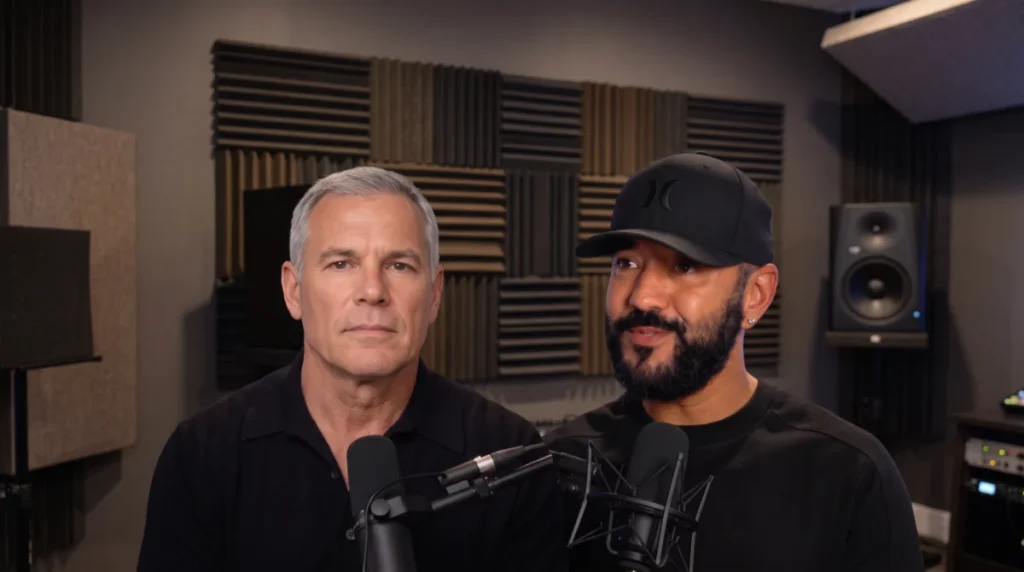

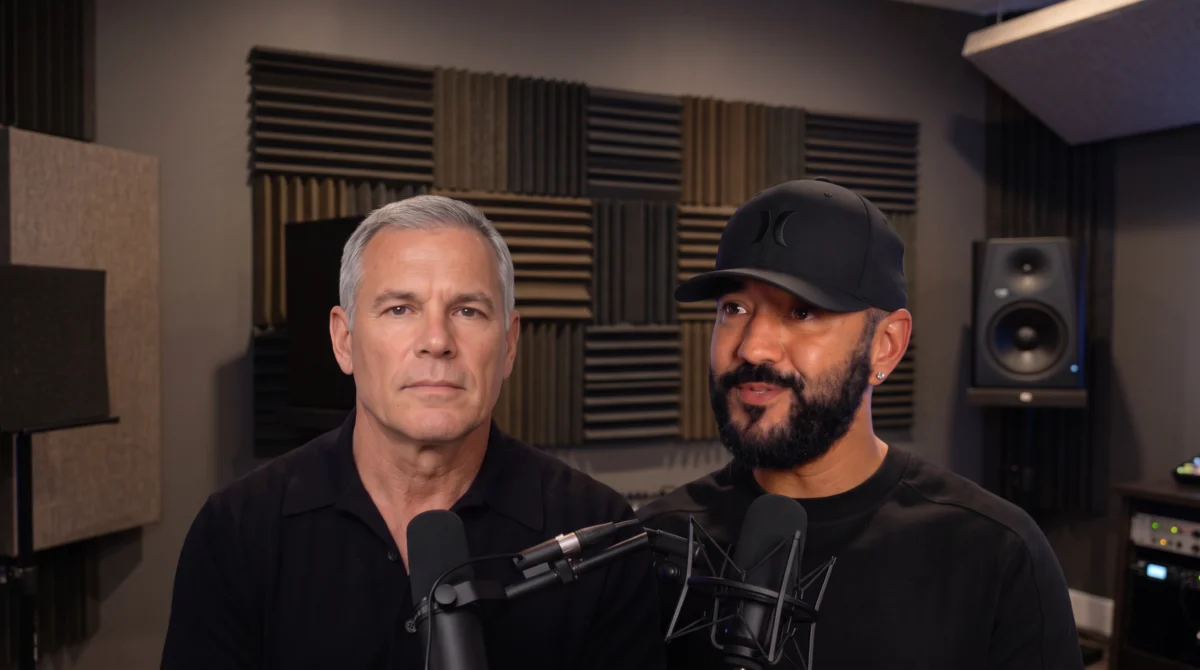
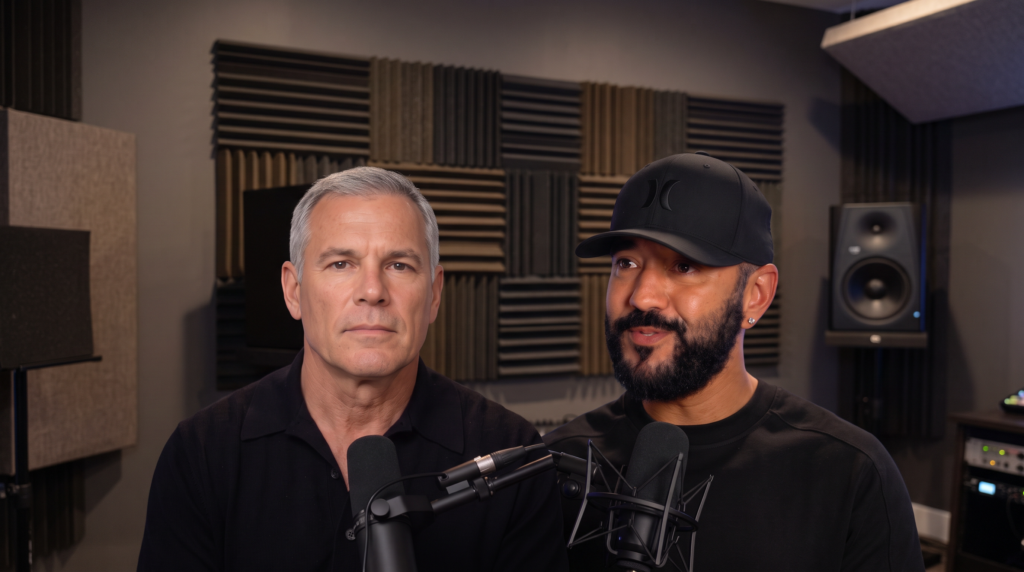
Walking is widely celebrated as one of the simplest, most accessible ways to add healthy years to your life. Yet, in the pursuit of longevity, most people completely ignore the foundational joint that makes every single step possible. Mark Sisson, widely regarded as the forefather of the primal and paleo lifestyle movement, recently shared insights that challenge the modern cultural obsession with biohacking gadgets, expensive wearable technology, and extreme wellness protocols. His message is refreshingly straightforward: the secret to true longevity is not found in high-tech devices or handfuls of expensive supplements, but is built from the ground up, quite literally, starting with a part of the body that is frequently overlooked.
Foot Health: The Most Underrated Longevity Factor
Sisson does not mince words when discussing the critical role that foot health plays in the broader longevity equation. Pointing to shifting trends among elite athletic trainers, he emphasizes that the best of the best are now actively incorporating foot conditioning into their daily regimens. This connection between foot health and long-term vitality is not merely theoretical; it is firmly rooted in stark, undeniable reality, particularly for older adults.
For individuals over the age of 65, falling represents one of the greatest risks for mortality. The resulting medical cascade is tragically predictable and well-documented by healthcare professionals. A sudden loss of balance leads to a fall, the fall frequently results in a broken hip, hospitalization follows, and subsequent complications such as pneumonia often mark the final chapter. Strong, resilient, and mobile feet serve as the primary line of defense against this dangerous sequence of events, providing the stability and sensory feedback necessary to navigate daily life safely.
The Big Toe: Your Body’s Most Important Joint
According to Sisson and strength coach Courtney Connley, big toe strength may be the single most critical component of overall foot health and lower-body mechanics. The big toe serves as the final point of contact with the ground during normal human locomotion, making it essential for firing the glutes properly and organizing the entire kinetic chain of the body. When that crucial toe is compressed and restricted inside narrow, rigid shoes, it disrupts biomechanics all the way up the chain—negatively impacting the plantar fascia, the glutes, and even extending discomfort into the lower back and neck.
Top-tier athletes are increasingly catching on to this anatomical reality. Professional basketball players in the National Basketball Association now routinely incorporate barefoot training sessions and specific big toe strengthening exercises into their off-court routines. Using resistance bands, manual manipulation, and isometric holds, these athletes are consciously rebuilding strength in an area that has been neglected by conventional athletic training for decades.
Every Step Is a Rep
Walking is much more than a basic cardiovascular exercise; it is effectively strength training for the intrinsic muscles of the feet. Each step engages small, delicate muscles that modern footwear has allowed to atrophy over generations of disuse. The primary culprit is standard footwear, which systematically eliminates sensory feedback from the ground. While thick cushioning and built-in arch support may feel comfortable in the short term, they prevent the brain from receiving the vital environmental information it needs to properly organize movement patterns.
Sisson advocates for minimalist footwear that allows the toes to splay naturally and enables the foot to perceive ground texture, temperature, and tilt. When the brain consistently receives this rich tactile input, it can orchestrate a near-perfect kinetic chain, automatically adjusting ankle stabilization, knee bend, and hip positioning with every stride.
The Minimum Effective Dose of Fitness
As a former elite marathoner and Ironman triathlete, Sisson has experienced both extremes of the rigorous fitness spectrum. His current philosophical approach to physical health is refreshingly moderate: he encourages people to think like a lifestyle decathlete rather than a narrow specialist. Instead of obsessing over maximizing performance in a single discipline, the objective is to cultivate a broad, functional competence that serves a person well throughout their entire life.
The cornerstone of this fitness philosophy revolves around low-level aerobic movement, specifically zone one and zone two activity, which primarily encompasses walking, alongside casual cycling or swimming. The fundamental goal is not necessarily burning massive amounts of calories or hitting arbitrary daily step counts. Instead, it is about moving the human body in the ways it naturally expects to move, promoting healthy blood flow, supporting lymphatic circulation, and teaching the metabolic system to burn stored body fat efficiently.
For those wondering how to gauge their exertion without relying on modern heart rate monitors, Sisson points to a simple conversational test. If an individual can comfortably carry on a conversation while moving, they are operating within the desired zone. As a general guideline, he references the traditional formula of subtracting one’s age from 180, suggesting that a 45-year-old individual, for instance, should aim to keep their heart rate at or below 135 beats per minute during steady aerobic work.
In addition to consistent low-level movement, Sisson recommends traditional strength training, but advises lifting weights just twice per week for sessions lasting between 30 and 45 minutes. The operative word in his philosophy is training intently rather than exhaustively. The objective is to challenge the musculoskeletal system just enough to trigger a positive physiological adaptation, and then allow adequate recovery time—typically two to three days between sessions. He notes that frequent, chronic training does not yield superior results; the body simply adapts to relentless stress by becoming more efficient, while true strength gains occur exclusively during the recovery phase.
Complementing the weekly strength sessions, Sisson is a vocal advocate for occasional high-intensity efforts, suggesting that sprinting is one of the most effective activities a capable human can perform. Providing maximum metabolic benefit with a minimal time investment, a single weekly sprint session—whether performed by running, cycling, rowing, or using an elliptical machine—involves twenty to thirty seconds of all-out effort followed by one to two minutes of complete rest, repeated four to six times. This brief protocol helps maintain fast-twitch muscle fibers and triggers profound metabolic adaptations.
The final element of his fitness framework is simply play. Engaging in activities like pickleball, golf, ultimate frisbee, hiking, or playing outdoors integrates the foundational attributes of aerobic base, strength, and power into practical, real-world capability, fostering life skills adaptable to any physical pursuit.
Metabolic Flexibility and Dietary Realities
At the center of Sisson’s nutritional philosophy is the concept of metabolic flexibility—the biological ability to seamlessly switch between burning dietary carbohydrates and efficiently utilizing stored body fat when food is unavailable. He observes that many modern individuals have grown so dependent on constant carbohydrate consumption that they experience lightheadedness, brain fog, or lethargy if they do not eat every few hours. This continuous feeding cycle prevents the body from accessing its most abundant and reliable internal energy reserve.
Aligning with his overarching philosophy, Sisson’s approach to food favors the minimum effective dose, encouraging individuals to eat just enough to feel satisfied and sustain steady energy levels throughout the day without falling into the trap of constant snacking. Describing his own nutritional habits as ketoish, he maintains a flexible metabolic state where his brain can readily utilize ketones, his muscles can tap into fat stores during extended periods of physical activity, and he can comfortably go from the morning hours through the mid-afternoon without eating while retaining full mental and physical clarity.
Addressing the modern supplement industry, Sisson shares a pragmatic reality check. Despite previously founding a major wellness supplement company, he has scaled back his own regimen significantly. Expressing skepticism toward the widespread practice of mega-dosing vitamins, he notes that high-dose supplementation largely yields expensive waste rather than demonstrable health benefits, emphasizing instead that whole foods provide complex micronutrients and phytochemicals that work synergistically in ways isolated vitamins cannot replicate.
The Biohacking Backlash and Stress Management
Despite helping pioneer the modern ancestral health movement, Sisson takes a provocative and critical stance on contemporary biohacking culture, comparing the obsession with tracking devices and optimization gadgets to day trading. He argues that many modern wellness trends seek shortcuts around foundational lifestyle work, with wearable devices frequently generating unnecessary anxiety rather than actionable insight. When bad data or arbitrary sleep and recovery scores override an individual’s intuitive bodily signals, technology can become counterproductive.
Intertwined with physical movement and nutrition is the critical, yet often neglected, component of stress management. Sisson identifies chronic stress as a major weak point in modern health, noting that poor sleep, inadequate nutrition, and inappropriate exercise routines frequently add biological stress to a system rather than building resilience. When multiple life stressors—such as interpersonal conflict, professional pressure, high-intensity workouts, and extreme recovery protocols—are stacked together without adequate downtime, they take a severe toll on human biology. Addressing stress, therefore, remains a fundamental prerequisite for long-term health and well-being.
Ultimately, Sisson’s longevity blueprint reframes the conversation around healthspan rather than mere lifespan. The primary objective is not simply accumulating years, but maintaining functional capability, physical mobility, and a high quality of life throughout those years. By focusing on fundamental pillars—such as resilient feet, consistent low-level movement, sensible strength training, metabolic flexibility, and effective stress management—individuals can build a sustainable foundation for lifelong health, starting from the ground up with every intentional step.