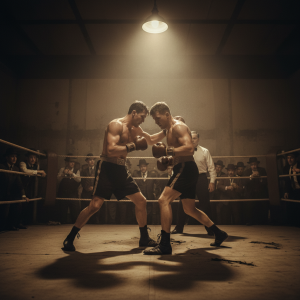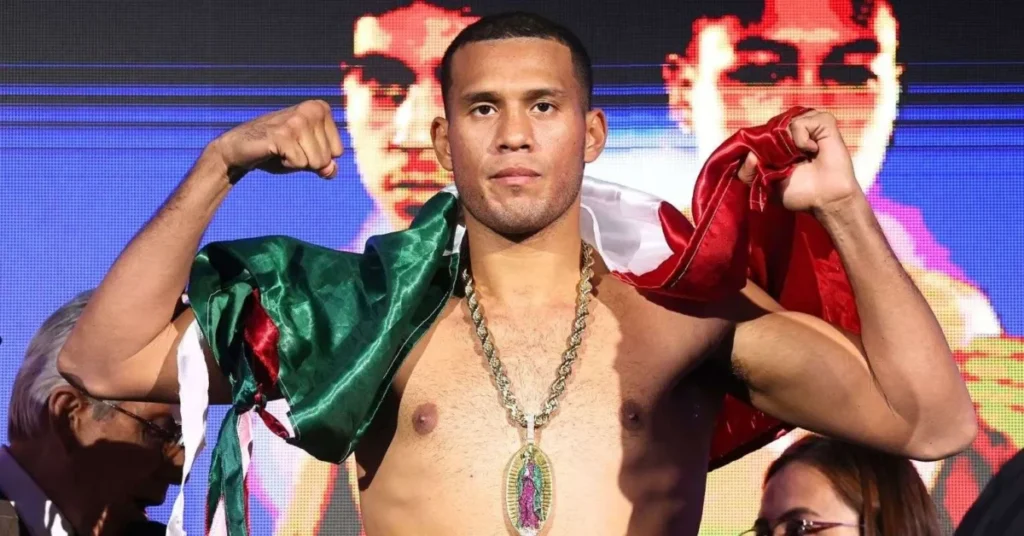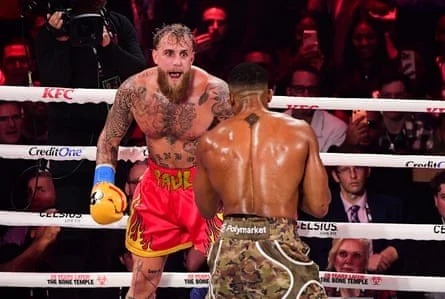


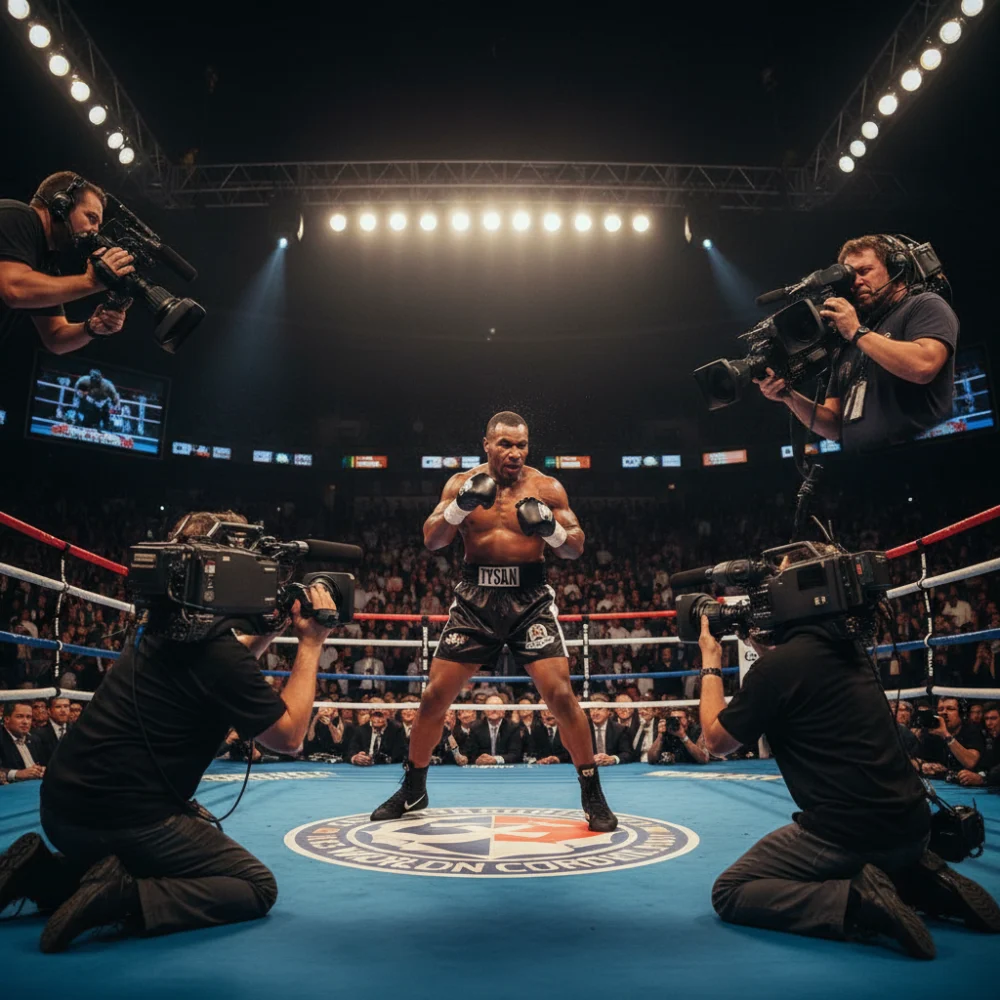
Mike Tyson was more than just a heavyweight champion; he was a global spectacle that perfectly aligned with the evolution of modern television. During the 1980s and 1990s, as cable television and pay-per-view began to dominate the media landscape, Tyson provided the high-stakes drama and visual intensity that broadcasters craved. His style was not just effective in the ring; it was tailor-made for the camera lens, capturing the imagination of millions who had never previously followed the sport of boxing.
The Visual Appeal of the Peek-a-Boo Style
The Peek-a-Boo style, taught to Tyson by the legendary Cus D’Amato, was inherently cinematic. Unlike traditional heavyweights who often engaged in slow, methodical clinching, Tyson was a whirlwind of constant motion. His bobbing and weaving created a sense of kinetic energy that translated beautifully to television screens. Viewers were treated to a fighter who looked like a coiled spring, ready to explode at any moment, making every second of the broadcast feel essential.
Television thrives on action, and Tyson delivered it in its most concentrated form. The way he could slip a jab and counter with a devastating hook was a sequence that directors loved to replay in slow motion. These technical nuances, while complex, were visually easy for the casual viewer to appreciate because of the sheer speed and violence involved. This accessibility helped turn boxing from a niche sport into a mainstream television event.
Short Fights and the Highlight Reel Culture
One of the primary reasons Tyson was a television executive’s dream was the brevity of his bouts. In an era before social media, the evening news highlight reel was king. Tyson’s propensity for first-round knockouts meant that his entire fight could be condensed into a thirty-second clip that would be played on every news station across the globe. This created a mythic aura around him, where the anticipation of a quick finish became a selling point in itself.
While some might argue that short fights are bad for advertising revenue, the opposite was true for Tyson. The “blink and you’ll miss it” nature of his performances created a sense of urgency. Fans felt they had to tune in from the very first bell because the climax could happen at any moment. This unpredictability is the holy grail of live television, ensuring that viewers never changed the channel during his broadcasts.
The Psychology of Intimidation on Screen
Tyson understood the power of the image long before the term “branding” became a buzzword. His choice of attire—plain black trunks, no socks, and a simple towel around his neck—was a stark contrast to the flashy, neon-colored outfits of his contemporaries. On a television screen, this minimalist look made him appear like a primal force of nature. It was a visual shorthand for pure menace, a narrative that television commentators leaned into heavily to build pre-fight tension.
The Compact Heavyweight Advantage
From a technical broadcasting perspective, Tyson’s physical stature was an advantage. Standing at roughly 5’10”, he was significantly shorter than most of his opponents. This height discrepancy allowed cameras to capture a compelling “David vs. Goliath” dynamic in every frame. Seeing a smaller man dismantle giants was a powerful visual narrative that played well in wide shots and close-ups alike, emphasizing his explosive power as he leaped upward to deliver his signature uppercuts.
Sound and Impact in the Living Room
The 1980s saw significant improvements in television audio technology, and Tyson’s fights benefited immensely. The sound of a Tyson punch landing was unlike anything else; it was a thudding, visceral noise that could be heard clearly through home speakers. This auditory impact reinforced the visual of the opponent’s head snapping back, creating a multi-sensory experience for the viewer that made the violence feel immediate and real.
The Rise of Pay-Per-View (PPV)
Tyson was the catalyst for the modern PPV model. His fights were the perfect “event” television. People didn’t just watch a Tyson fight; they hosted “Tyson parties.” The social aspect of watching his dominance became a cultural staple. Broadcasters realized that the public was willing to pay a premium for the guaranteed excitement Tyson provided, paving the way for the billion-dollar combat sports industry we see today.
Global Reach Through Visual Storytelling
Television is a visual medium that can transcend language barriers, and Tyson’s style was the ultimate form of visual storytelling. You didn’t need to understand English or the complexities of boxing scoring to understand what was happening when Tyson stepped into the ring. The universal language of dominance and power allowed his fights to be sold to hundreds of countries, making him one of the most recognized faces on the planet.
The Pre-Fight Ritual as Television Drama
The moments before the bell rang were often as captivating as the fight itself. Television cameras would linger on Tyson’s face during the ring walk, capturing his intense, unblinking stare. Key elements of his TV-ready entrance included:
- The absence of a traditional robe, replaced by a simple towel.
- The lack of socks, emphasizing a raw, gladiator-like appearance.
- The ominous, often silent walk to the ring that built palpable tension.
The Contrast with Technical Boxers
To understand why Tyson was perfect for TV, one must look at the alternatives. Technical boxers who prioritized defense and winning on points often struggled to maintain high television ratings. Tyson’s style was the antithesis of this. He provided constant engagement. Even when he was defending, he was moving forward. This relentless aggression ensured there were no “dead spots” in the broadcast, keeping the audience glued to their seats.
The Accessibility for Casual Fans
Tyson’s style was “readable” for the casual observer. While purists might appreciate a 12-round tactical battle, the general public wants to see definitive conclusions. Tyson provided those conclusions with frightening regularity. His style removed the ambiguity of judging, offering a clear winner and loser in a way that was satisfying for a mass television audience looking for a definitive ending.
Post-Fight Interviews and Unpredictability
The television experience didn’t end with the knockout. Tyson’s post-fight interviews were often as explosive and unpredictable as his punches. Whether he was being humble or terrifyingly aggressive, he was always compelling television. Broadcasters knew that keeping the cameras rolling after the fight would likely result in a viral moment, further cementing his status as a must-watch personality.
Legacy and the Blueprint for Modern Stars
The marriage of Mike Tyson’s style and television set the blueprint for how sports stars are marketed today. He proved that a combination of a unique visual identity, a terrifying persona, and an explosive physical style could create a commercial juggernaut. Today’s sports media landscape, defined by highlights and viral clips, owes a debt to how Tyson’s career was framed and consumed through the television screen.