

The Essence of the Infight
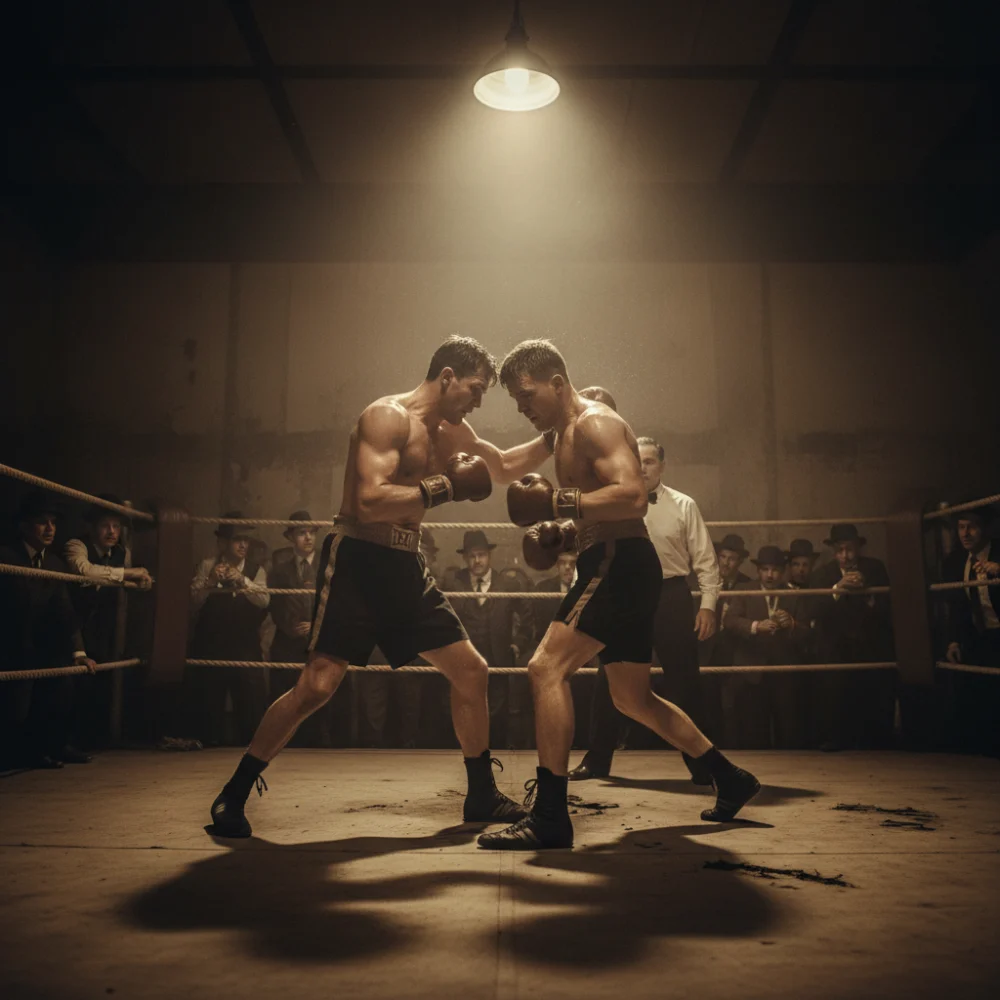
In the modern landscape of pugilism, the sight of two warriors locked in a phone-booth battle is becoming increasingly rare. Inside fighting, once the hallmark of legendary champions, is a sophisticated discipline that involves technical mastery, physical strength, and a high ring IQ. Unlike the long-range fencing often seen today, infighting requires a fighter to operate within inches of their opponent, turning a chaotic scramble into a calculated display of leverage and precision.
The Golden Era of Close Quarters
During the mid-20th century, boxing was defined by men who thrived in the heat of the pocket. Legends like Roberto Duran, Joe Frazier, and Henry Armstrong did not just survive on the inside; they dominated there. This era was characterized by a deep understanding of body mechanics, where every movement served a dual purpose of offense and defense. These fighters knew that being close to an opponent didn’t mean being vulnerable; it meant being in a position to exert maximum control.
Head Positioning as a Tactical Weapon
One of the most critical components of inside fighting is the placement of the head. A master of the craft uses their forehead as a third hand, resting it against the opponent’s chest or shoulder to sense movement and maintain balance. By controlling the opponent’s center of gravity with the head, a fighter can prevent them from generating power for hooks or uppercuts. This subtle tactic allows the infighter to stay safe while keeping their own hands free to work the body.
The Subtle Art of the Shoulder
The shoulder is often underutilized by modern practitioners, but for the legends, it was an essential tool for creating space. By rotating the shoulder into an opponent’s chest, a fighter can momentarily disrupt their breathing and balance. This creates a split-second window to land a short, crisp punch. Roberto Duran was a master of the shoulder roll and bump, using it to nudge opponents out of position before delivering his signature right hand.
Leverage and Weight Distribution
Inside fighting is not a contest of raw strength, but a battle of leverage. To be effective, a fighter must keep their center of gravity low and their feet wide. This stance provides the stability needed to absorb impact and the torque required to throw short, explosive punches. Legends often practiced shifting their weight from one leg to another without moving their feet, allowing them to change the angle of their attack while remaining firmly planted in the pocket.
The Short Hook and Uppercut
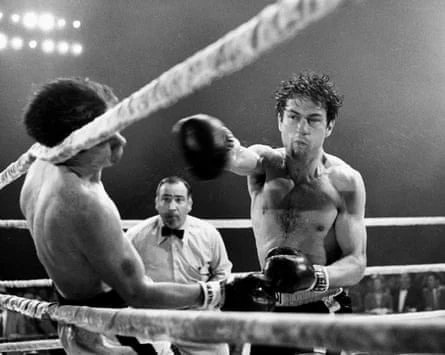
In close quarters, there is no room for the long, looping punches seen at a distance. The infight requires short, compact shots that travel only a few inches. The short hook and the uppercut are the primary weapons here. These punches rely on the rotation of the hips and core rather than the extension of the arm. When executed correctly, these strikes carry devastating power because the opponent often doesn’t see them coming until it is too far to react.
Defensive Nuances in the Pocket
Defense on the inside is an exercise in minimalism. Large movements like slipping and ducking are replaced by parries, forearm blocks, and elbow shields. A fighter must be able to catch or deflect punches with their arms while keeping their chin tucked behind their shoulders. This tight defensive shell is what allowed fighters like James Toney to stay in the pocket for entire rounds without taking significant damage, countering with precision as soon as the opponent missed.
Joe Frazier and the Relentless Pursuit
Joe Frazier’s approach to inside fighting was a masterclass in pressure. He used a rhythmic bob-and-weave to close the distance, effectively making himself a moving target. Once inside, Smokin’ Joe would use his lead shoulder to pin his opponent against the ropes, taking away their ability to move. From there, he would unleash a barrage of left hooks that were fueled by the leverage he gained from his low, powerful stance.
The Role of the Clinch
In the modern era, the clinch is often viewed as a way to stop the action or take a breath. However, the golden legends viewed the clinch as an offensive opportunity. By controlling an opponent’s arms or neck, a fighter can manipulate their posture and create openings for short punches. Henry Armstrong was famous for ‘working the clinch,’ where he would keep one hand free to dig shots into the ribs while the referee was still calling for a break.
Psychological Warfare Up Close
Fighting on the inside is as much a mental battle as it is physical. It is an claustrophobic environment that tests a fighter’s composure. By staying relaxed in the heat of a close-range exchange, a fighter can outthink their panicked opponent. The ability to remain calm while being smothered allows for better decision-making, such as choosing the right moment to pivot away or double up on a body shot.
The Decline of Infighting Skills
Several factors have contributed to the decline of this art form. Modern boxing often prioritizes athleticism, speed, and long-range movement over technical infighting. Additionally, referees today are much quicker to break up clinches, giving fighters less time to work on the inside. This has led to a generation of boxers who are uncomfortable when the distance is closed, often resorting to holding rather than fighting their way out.
Training the Old School Way
To reclaim the art of inside fighting, training must return to the fundamentals of the old-school gyms. This includes:
- Heavy bag work at close range to develop short-punch power.
- Wrestling drills to improve balance and neck strength.
- Partner drills focusing on head positioning and forearm parries.
- Sparring in confined spaces to build comfort in high-pressure situations.
Pivoting and Creating Angles
Footwork on the inside is not about moving away, but about moving around. A simple pivot of the lead or back foot can completely change the angle of the fight, turning a head-on collision into a flanking maneuver. By stepping slightly to the side while maintaining contact, a fighter can find a clear path to the opponent’s jaw while staying out of the direct line of fire.
The Importance of Body Work
Infighting is the ultimate arena for body punching. The proximity to the opponent’s midsection makes the liver, solar plexus, and ribs prime targets. Consistent body work on the inside drains an opponent’s gas tank and forces them to drop their guard. Legends knew that a well-placed hook to the liver was more effective than ten punches to the head, as it physically debilitates the opponent for the remainder of the fight.
Conclusion: Reviving the Craft
The lost art of inside fighting is a testament to the depth of boxing as a science. While the sport continues to evolve, the lessons from the golden legends remain timeless. For any aspiring champion, mastering the nuances of the infight is the key to becoming a complete fighter. By studying the leverage, positioning, and grit of the masters, today’s pugilists can bring back the technical brilliance of close-quarters combat and ensure that this vital aspect of the ‘Sweet Science’ is never truly forgotten.