

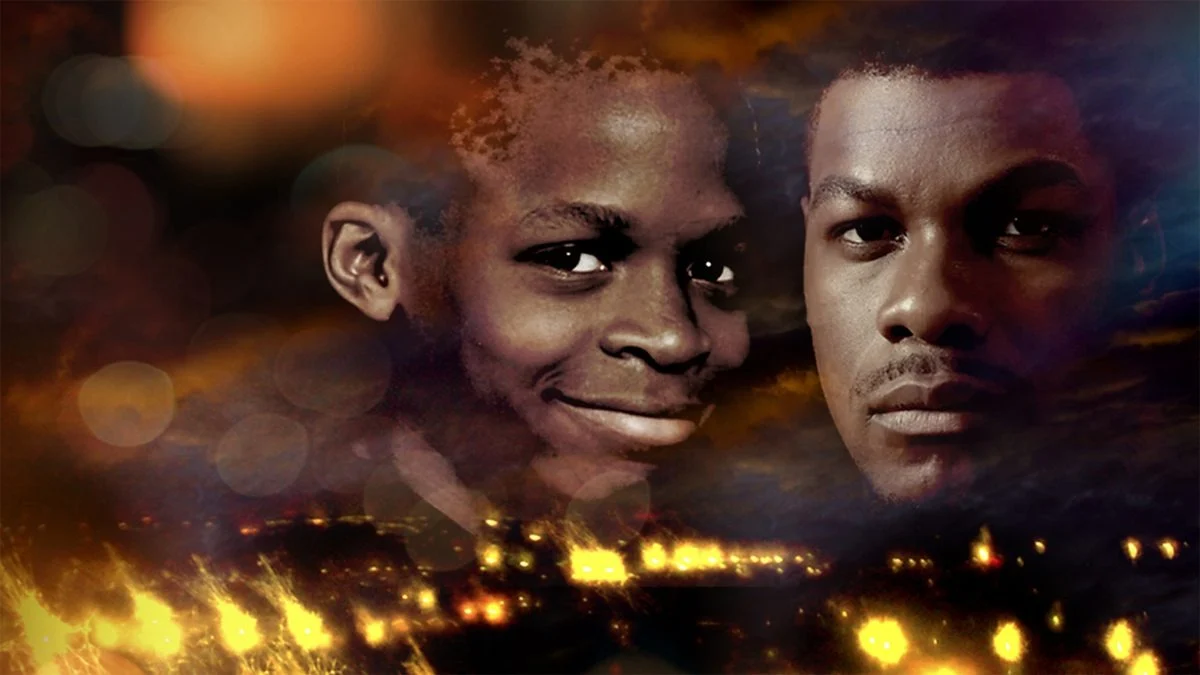
A new documentary examining one of the most poignant and significant events in recent British history has been made available on BBC iPlayer, returning to the heartbreaking story of ten-year-old Damilola Taylor more than two decades after his death. Titled Damilola: The Untold Story, the film arrives twenty-six years after the young boy was killed, offering audiences a fresh examination of a case that profoundly shocked the nation and left an indelible mark on the public consciousness. Designed to re-evaluate the tragic circumstances surrounding the ten-year-old’s death, the documentary incorporates new testimony aimed at shedding fresh light on the events that transpired and providing deeper insight into a story that continues to resonate across the United Kingdom.
The killing of Damilola Taylor twenty-six years ago stands as a watershed moment in contemporary British history. At just ten years old, his life was cut tragically short in an event that sent shockwaves through the country, dominating national headlines and sparking widespread public grief, anger, and prolonged national reflection. In the immediate aftermath and in the decades that followed, the tragic loss of such a young life became a focal point for intense public debate surrounding youth safety, social conditions, justice, and the welfare of children in urban communities. Returning to the narrative twenty-six years later, Damilola: The Untold Story revisits these events with the benefit of time, perspective, and previously unreleased accounts, seeking to offer a comprehensive and nuanced re-examination of the tragic event and its broader implications.
Central to the documentary’s premise is the inclusion of new testimony, which producers state sheds fresh light on what happened to the young boy. In retrospective television broadcasting, the introduction of fresh accounts after a significant passage of time often allows individuals connected to an event—whether personal acquaintances, local community members, or observers—to speak with a level of reflection and clarity that may not have been possible during the turbulent period immediately following the event. By bringing these new voices and perspectives into the public domain, the documentary aims to fill crucial gaps in the public understanding, offering a more complete and detailed account of the circumstances that defined a pivotal national tragedy.
The decision to revisit the case more than a quarter of a century later underscores the enduring media and societal interest in Damilola Taylor’s memory. Documentaries that re-examine historic real-life tragedies serve an important role in public service broadcasting, providing an opportunity not only to remember the victim but also to critically reflect on how society, media reporting, and public understanding have evolved since the original events occurred. By re-engaging with the story through updated interviews and fresh testimony, Damilola: The Untold Story presents a solemn re-evaluation that honours the memory of the ten-year-old while re-assessing the facts surrounding his death.
In accordance with standard editorial guidelines for content dealing with sensitive and potentially distressing real-life events, the documentary carries a prominent viewer advisory warning. Broadcast platforms have noted that the program contains upsetting scenes, reflecting the sensitive nature of the subject matter and the severe emotional weight associated with the death of a young child. Such content warnings are a critical aspect of responsible media distribution, ensuring that viewers are adequately prepared for the emotional impact of the broadcast and allowing individuals to make informed choices about engaging with content that addresses violent loss and real-world grief.
Alongside viewer advisories, the release on BBC iPlayer emphasizes accessible viewing options designed to ensure the documentary can be accessed by a wide and diverse audience. The program is listed with full digital functionality, including the ability for users to save the title directly to their personal Watchlist for on-demand viewing across supported devices. Furthermore, to accommodate viewers with specific access requirements, an Audio Described version of the episode has been made specifically available on the platform, alongside standard guidance and information regarding Sign Language accessibility options across supported BBC digital services.
The inclusion of specialized accessibility features, such as Audio Description and information regarding Sign Language options, highlights the role of modern streaming services in ensuring that major public interest programming remains inclusive. For visual media examining complex historical and social topics, Audio Description plays an essential role in delivering narrative clarity to blind and visually impaired audiences by providing spoken descriptions of visual elements, non-verbal cues, and scene context. Similarly, clear signposting for alternative formats ensures that non-hearing viewers can engage fully with important investigative and reflective broadcasting.
The broader significance of returning to a historic tragedy like that of Damilola Taylor lies in the capacity of documentary filmmaking to bridge generational gaps. For those who lived through the original news coverage twenty-six years ago, the release of Damilola: The Untold Story offers a solemn opportunity to re-engage with a story that fundamentally shaped public discourse around youth violence and community safety in Britain. For younger audiences or those unfamiliar with the detailed background of the case, the documentary provides a crucial historical record, contextualizing the event within the social and cultural landscape of the time while introducing new insights that were previously unavailable to the public.
Retrospective human-interest and investigative journalism often faces the challenging task of balancing rigorous inquiry with respect for the memory of the deceased and the sensitivities of those affected. In re-examining the death of a ten-year-old boy, the film reflects a delicate editorial balance—seeking to uncover new truths and present fresh testimonies while navigating the profound loss that sits at the center of the narrative. The promise of shedding fresh light on what happened to Damilola Taylor suggests an attempt to provide greater clarity and closure, allowing audiences to view the historical event through an updated and thoroughly considered lens.
The release of Damilola: The Untold Story on BBC iPlayer reinforces the continuing function of public service television as a archive of national memory and a platform for investigative reflection. By combining historical perspective with new evidence and personal testimony, the documentary ensures that the tragic story of Damilola Taylor remains a subject of thoughtful consideration, ensuring that the lessons learned and the ongoing memory of his life are preserved for contemporary audiences.
As streaming platforms continue to serve as the primary medium for investigative and historical documentaries, the availability of titles like Damilola: The Untold Story on demand allows viewers the space to engage with complex, emotionally demanding subjects at their own pace. With its clear viewer warnings regarding upsetting content and comprehensive accessibility features, the production reflects modern standards in documentary broadcasting, providing a respectful, detailed, and accessible re-examination of an event that fundamentally shocked Britain twenty-six years ago. The film remains available for viewing on BBC iPlayer, offering an essential and reflective look at a story that retains a powerful place in the nation’s collective conscience.