

For aspiring fighters who find themselves isolated without a nearby gym, a professional coach, or even a willing training partner, the traditional barriers to entering the sport of boxing have long seemed insurmountable. Commercial fitness centers often lack the specialized equipment, authentic culture, or community focus required to truly master the sweet science, leaving many enthusiasts sitting on the sidelines. However, a growing movement among amateur athletes demonstrates that building a dedicated boxing community from scratch is not only possible, but remarkably rewarding.
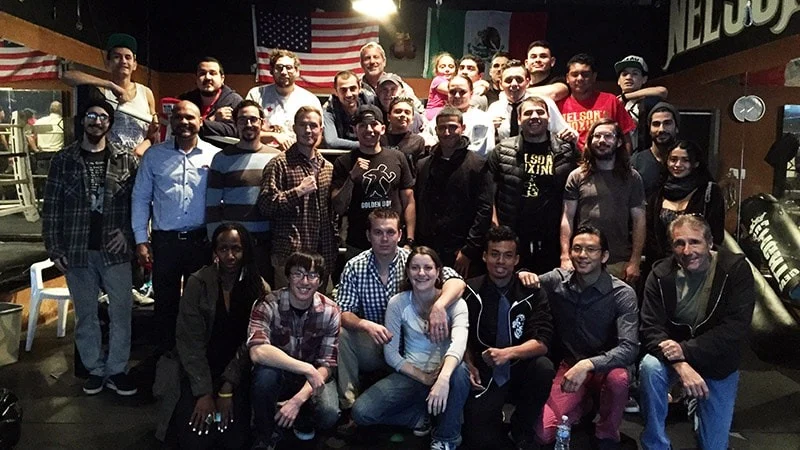
Veterans of the grassroots sporting scene point out that launching an independent boxing club requires very little initial overhead and can eventually blossom into a vibrant hub connecting hundreds of members. Long-term organizers note that running an independent collective offers a level of fun and personal freedom rarely found in commercial establishments. Without corporate constraints, participants often form lifelong bonds, with some even finding romance and marriage within the ranks of their local training circles. Building such a community relies on a straightforward evolution, starting from humble origins in living rooms or local parks and expanding organically through shared passion and inclusivity.
The journey toward establishing a thriving club typically begins with self-education. Long before securing a dedicated venue or purchasing heavy bags, prospective founders must immerse themselves in the sport. While the ultimate goal may be to learn how to box, enthusiasts can leverage online resources, instructional videos, and historical literature to build a foundational passion worth sharing. Experienced practitioners emphasize the importance of keeping an open mind during this digital learning phase. Beginners frequently fall into the trap of trying to emulate a single iconic fighter, such as Mike Tyson or Floyd Mayweather. Coaches warn that adopting such a limiting perspective stifles individual athletic development, as every competitor possesses a unique physical makeup and requires a tailored approach to master the craft. Furthermore, studying the rich cultural history of boxing helps ground modern practitioners in a tradition that has historically intersected with politics, music, film, and broader societal movements.
The operational phase begins with a surprisingly modest requirement: finding a single friend or able-bodied acquaintance willing to experiment with basic movements. Two people are technically all that is required to initiate a training session. While sharing a similar fitness level or weight class is advantageous, it is hardly mandatory. The primary objective is establishing a safe, mutually respectful environment free of reckless injuries.
Once a partner is secured, organizers must establish a consistent schedule and select an appropriate training location. Flexibility is key when choosing a venue, as virtually any open space can be transformed into a functional training ground. Founders often weigh the pros and conditions of public versus private training spaces. Public locations, such as local parks, carry the initial risk of awkwardness or public scrutiny, but they serve as powerful recruitment tools. Passersby frequently stop to watch, ask questions, and eventually join the rotation, transforming casual observers into dedicated members. Conversely, private spaces offer absolute control over the atmosphere, permitting customized music playlists and uninhibited sparring sessions without startling the general public. As clubs inevitably expand, the demand for private, controlled environments tends to grow.
Timing and frequency are critical elements in sustaining momentum. Rather than scheduling sessions on weekends—a time when high school and college-aged members are frequently occupied with social events—organizers often find success during standard weekday evenings. This timing allows participants to seamlessly transition from training sessions to communal meals, a practice widely credited with cementing deep friendships and group camaraderie. In terms of frequency, industry veterans strongly advise limiting structured meetups to a single day per week at the outset. This prevents burnout, ensures that attendance remains a welcome escape rather than an exhausting chore, and builds anticipation for the upcoming week. Moreover, maintaining a moderate intensity level ensures long-term retention. Instructors emphasize that prioritizing enjoyment over an impossibly grueling workout prevents newcomers from feeling alienated by unattainable athletic standards.
Equipment acquisition follows a similarly gradual trajectory. Rather than investing heavily in commercial-grade gear right away, founders can rely on basic essentials and slowly accumulate items over time. The secondhand market often yields affordable or even free exercise equipment from individuals looking to clear out residential storage spaces.
As the group begins to take shape, leveraging social media plays an instrumental role in organic expansion. Documenting training progress and sharing lighthearted clips online naturally sparks curiosity among extended social circles. Organizers caution against posting aggressive highlight reels of knockouts, which tend to intimidate prospective members who fear physical harm. Instead, emphasizing accessibility and fitness helps convince beginners that boxing is an inclusive discipline suitable for anyone. Communities must also develop resilience against internet cynicism, brushing aside unsolicited commentary from anonymous online critics while focusing entirely on positive local engagement.
Reaching a critical mass of five to ten core members serves as a tipping point, after which group growth accelerates through word-of-mouth referrals. Members naturally invite roommates, siblings, coworkers, and romantic partners, injecting fresh energy into the weekly gatherings. Successful club leaders stress the importance of radical inclusivity, warning against snap judgments based on physical appearance, athletic background, or demographic differences. The inexperienced beginner, the out-of-shape participant, or the quiet outsider frequently evolves into a dedicated cornerstone of the community given enough time and encouragement. Conversely, maintaining a welcoming atmosphere requires actively filtering out overtly aggressive personalities who view combat sports primarily as an outlet for harming others.
As the collective expands in size, establishing a clear culture, routine, and etiquette becomes essential to prevent organizational chaos. Well-run clubs typically accommodate multiple tiers of participation, ensuring that non-participants or injured members still play a vital role. Rather than allowing casual observers to stand idly by as distractions, savvy organizers integrate them into the operation by assigning tasks such as filming training sessions, managing musical playlists, holding pads, or assisting with equipment maintenance. This inclusive approach ensures that everyone feels valued as an integral part of the collective.
Strengthening interpersonal relationships extends far beyond weekly training sessions. Established clubs frequently organize group outings, ranging from public viewings of major professional pay-per-view fights to casual recreational activities completely unrelated to combat sports. These shared experiences bridge the gap between casual acquaintances and lifelong friends.
Eventually, successful grassroots clubs outgrow the capacity of a single organizer, necessitating the organic emergence of secondary leaders and managers. While managing a large, decentralized group presents distinct logistical challenges, the underlying philosophy remains unchanged. Ultimately, transforming a backyard training partnership into a thriving boxing community depends less on advanced technical mastery and more on genuine passion, inclusive leadership, and a willingness to share the love of the sport with others.