


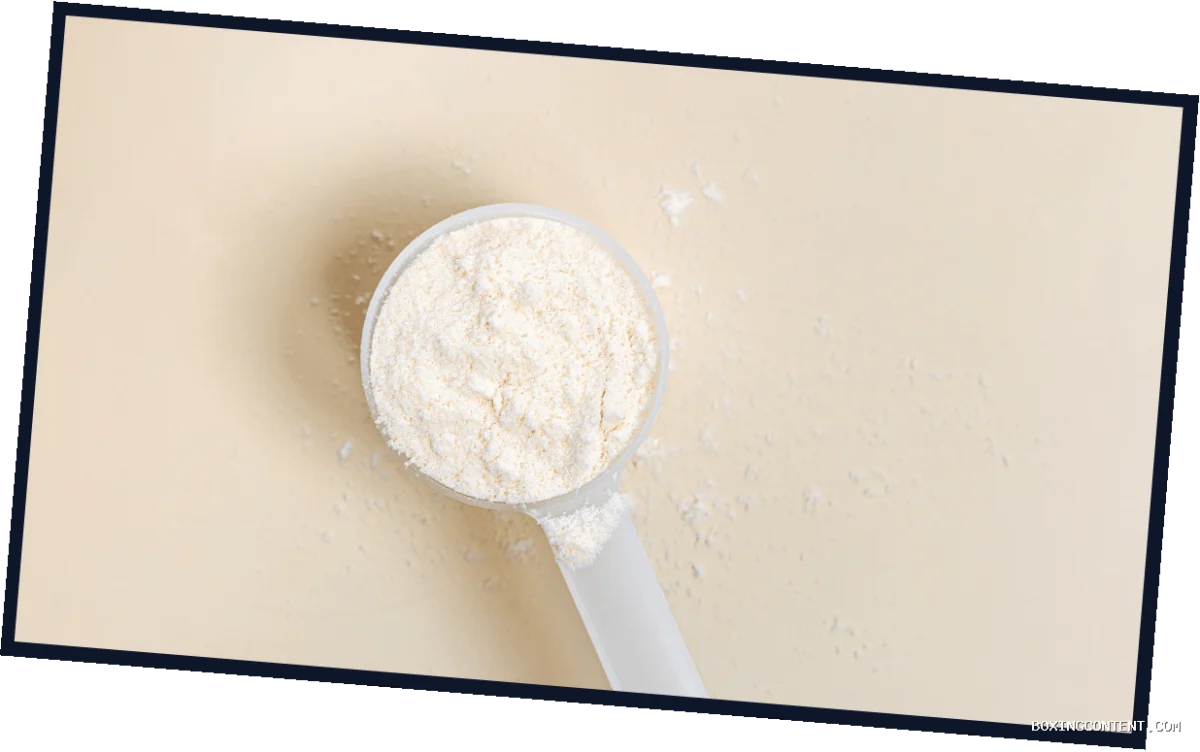
CAA Supplements Offer Little Benefit for Muscle Growth and Strength Gains**
For years, fitness enthusiasts navigating the supplement aisle have been told that leucine is the ultimate biological "switch" for muscle protein synthesis. Dating back roughly to 2013, the supplement market experienced a massive surge in the popularity of leucine and branched-chain amino acids (BCAAs). Companies aggressively marketed their products by emphasizing the specific amounts of leucine packed into every scoop, a trend that persists in various forms across the sports nutrition industry today.
To be entirely fair, the biochemical premise behind these marketing campaigns is not entirely false. Leucine is indeed an essential amino acid that plays a critical role in triggering mTORC1 signaling, the cellular pathway responsible for initiating muscle protein synthesis. Furthermore, robust mechanistic evidence demonstrates that resistance training can increase muscle sensitivity to leucine for up to 48 hours following an exercise session.
However, sports scientists and researchers have long argued that a fundamental question remains unanswered. The core issue is not whether leucine possesses the physiological capacity to trigger protein synthesis on a cellular level, but rather whether targeted supplementation with leucine—particularly for individuals who already consume a diet relatively high in protein and engage in regular resistance training—actually translates into superior, real-world gains in strength and muscle hypertrophy.
A new systematic review examining young, active adults suggests that the answer is typically no. Looking across randomized controlled trials involving healthy, trained participants who followed similar training regimens, researchers found that adding leucine supplementation did not improve muscle growth, strength outcomes, or recovery rates when compared to a placebo group.
This lack of supplementary benefit is not limited to younger demographics. Similar findings emerge when reviewing comprehensive meta-analyses conducted on older adults, including populations affected by sarcopenia, the age-related loss of muscle mass and function. Across these studies, leucine supplementation failed to demonstrate any clear, consistent benefits for lean body mass, handgrip strength, or leg press performance, regardless of whether the older participants actively engaged in resistance training or remained sedentary. While some isolated analyses indicated a potential positive effect on handgrip strength when leucine was combined with vitamin D supplementation, those specific benefits came with notable caveats and conditions.
For both younger and older populations, the data suggests that structured resistance training paired with an adequate daily protein intake is entirely sufficient to drive meaningful increases in strength and muscle mass. When sports nutritionists refer to an "adequate" protein intake, they are not necessarily pointing toward extreme or unattainable dietary regimens. For instance, several of the studies focusing on older adults utilized dietary protocols where participants consumed roughly 1.2 grams of protein per kilogram of body weight. Current sports science literature indicates that this threshold is more than enough to satisfy the physiological requirements for muscle growth and maintenance.
When examining the broader category of amino acid supplements, including BCAAs and essential amino acids (EAAs), additional limitations become apparent. Research indicates that BCAA supplementation alone is likely inferior at elevating muscle protein synthesis compared to a complete, whole-food source of protein containing a full spectrum of amino acids. Meanwhile, EAA supplements may serve as an acceptable alternative only under circumstances where an individual’s overall dietary protein intake is severely deficient.
Ultimately, these findings offer reassuring news for athletes, gym-goers, and older adults alike. It is highly probable that consumers do not need to invest financial resources into specialized leucine, BCAA, or EAA supplements, provided their baseline dietary protein intake does not remain exceptionally low for extended periods. Furthermore, avoiding these supplements spares individuals from enduring the notoriously unpleasant taste associated with pure leucine powders. At the end of the day, experiencing the occasional low-protein day here and there is unlikely to have a detrimental effect on long-term fitness gains, particularly for individuals who maintain consistency in their resistance training programs.
The Stronger By Science weekly newsletter features practical training tips and summaries of the latest research. Readers interested in staying up to date can sign up for free through the official website.