

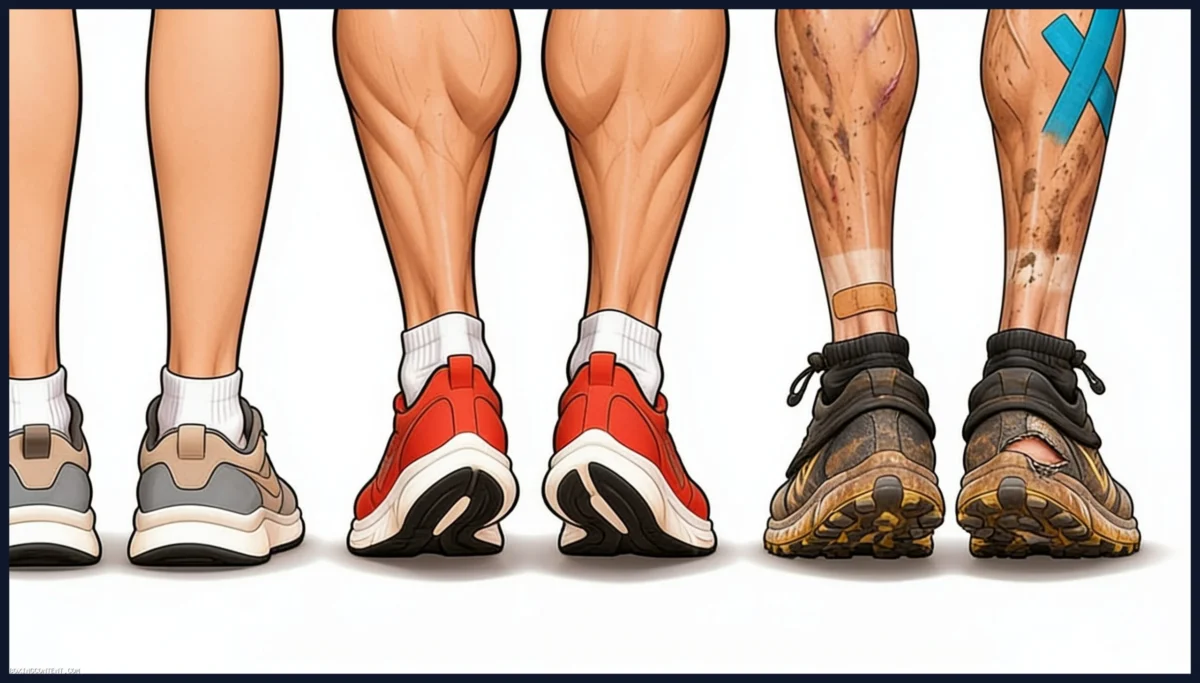
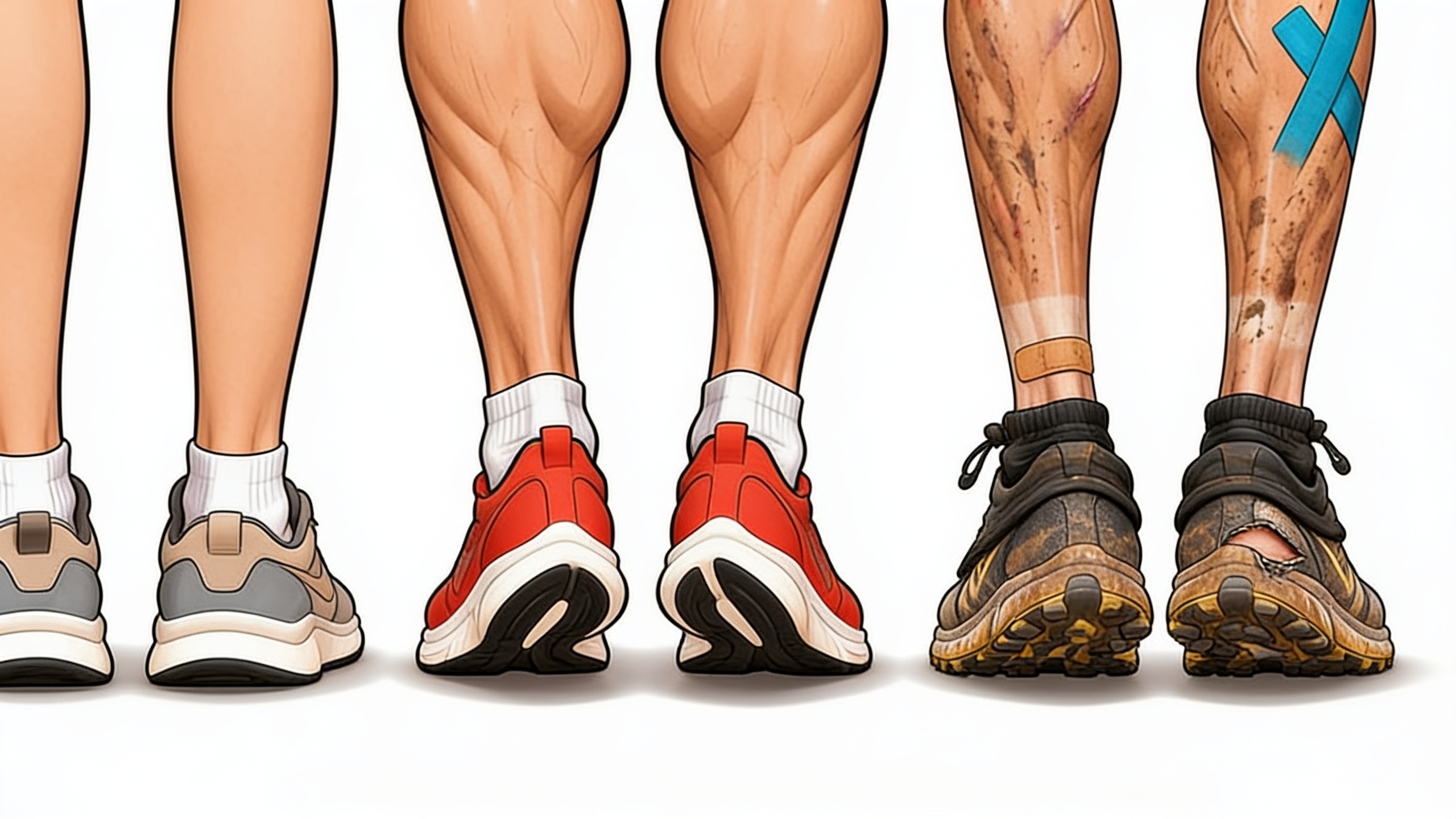
One laughing emoji and a simple three-word caption have managed to do what few training regimens can: divide runners into passionate, competing factions. In a recent viral post on the popular Facebook community page Running State, followers were invited to participate in a classic social media meme format that has quickly swept across the digital fitness landscape. Asking followers to "Choose your fighter," the post tapped into a blend of video game nostalgia, tribal identity, and digital humor, inviting runners of all backgrounds to identify their personal archetype and defend it in the comment sections.
Behind the lighthearted banter lies a surprisingly clever cultural phenomenon. The post avoided heavy training science, complicated pace charts, and serious anatomical discussions, opting instead for pure, highly shareable community fun. As digital fitness spaces continue to grow, formats like these remind participants that beneath the grueling miles and early morning alarms, sports culture thrives on shared inside jokes and collective identity.
From Arcade Cabinets to Your Facebook Feed
The DNA of this viral meme traces its origins far beyond modern social media feeds, leading directly back to the classic character selection screens of early 1990s arcade fighting games like Street Fighter and Mortal Kombat. In those seminal titles, players would scroll through a diverse roster of brawlers, carefully weigh their options, select a fighter, and live with the consequences of their choice on the virtual battlefield.
Over the decades, social media platforms flipped this iconic screen into a versatile digital template. Creators began lining up two or more humorous options, archetypes, or generalized personas, presenting them to audiences with the explicit intention of sparking debate. Fitness, endurance sports, and running communities adopted this format enthusiastically, recognizing its potential to translate complex subcultures into instantly recognizable tropes.
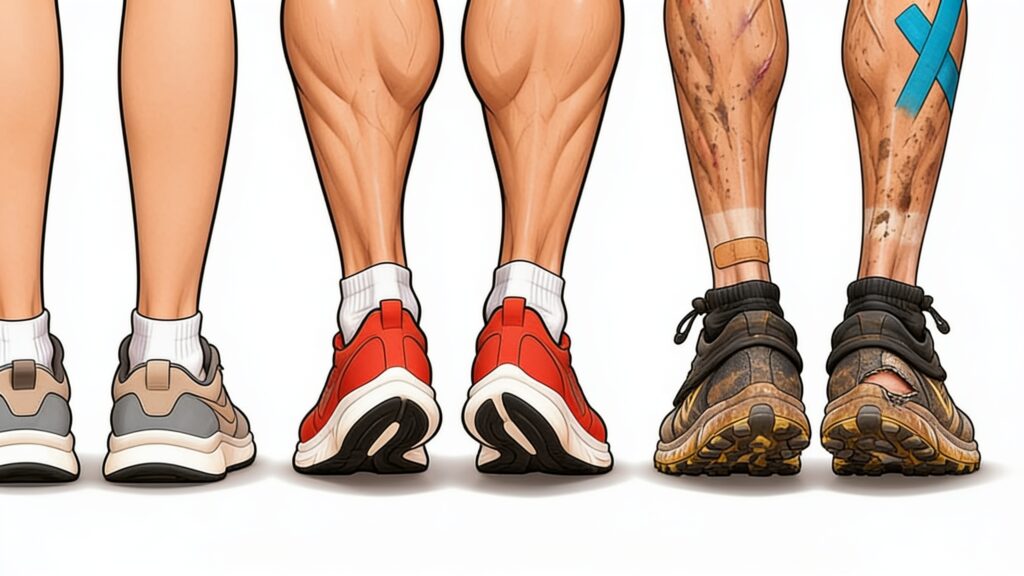
When applied to running, the character selection screen format resonates deeply because it translates the often solitary nature of the sport into a team sport of opinions. Running may be performed individually on the pavement, but runners inherently crave a sense of belonging within a larger tribe. A fighter lineup delivers instant identity in seconds, giving athletes a playful mirror through which to view their own training habits, gear obsessions, and race-day anxieties.
Why Runners Can’t Resist Picking a Side
The comment sections that follow these viral posts frequently erupt into passionate arguments, playful banter, and self-deprecating humor. This phenomenon is driven by the fact that running culture is essentially built on shared experiences that lend themselves perfectly to meme fuel. Training pain, pre-race nerves, shoe rotation addictions, and distinct running philosophies sit at the top of the list of topics that unite the community.
Laughing collectively about the universal struggles of endurance training can make hard sessions, grueling long runs, and injury recoveries feel significantly less lonely. Furthermore, this type of humor provides newcomers with an easy and welcoming on-ramp into running culture. Instead of feeling intimidated by splits, cadence metrics, and VO2 max statistics, beginners can immediately engage with the community through shared laughs and lighthearted archetype identification.
Community pages and digital content creators understand this dynamic intimately. Social media algorithms are heavily driven by engagement signals, and Facebook in particular rewards posts that generate high volumes of comments, reactions, and shares with a significantly wider reach. Questions that invite followers to identify with a specific persona naturally outperform dry, informational posts, allowing a simple, humorous meme to carry a running page well beyond its existing core audience.
The Cultural Impact of Running Humor
The classic rivalries and archetypes that running memes love to recycle often highlight the diverse spectrum of participants found in any local running club or starting corral. From the ultra-marathoner who treats any distance under twenty miles as a casual warmup, to the minimalist racer obsessed with carbon-plated shoes and precise splits, every option comes with a set of built-in stereotypes. These exaggerated traits are precisely why the comment sections light up so quickly, as runners rush to tag their friends, defend their preferred training style, or playfully mock their own running quirks.
However, experienced runners and community leaders emphasize that these tribe labels are purely playful rather than prescriptive. Beginners, seasoned veterans, walk-run advocates, and casual weekend joggers all share the same paths, and no single archetype holds a monopoly on what it means to be a runner. Consistency, proper rest, and long-term enjoyment protect physical and mental health far better than any digital identity badge ever could.
As the digital landscape continues to evolve, the intersection of gaming nostalgia and athletic subcultures proves that sports communities value connection and laughter just as much as personal records and training logs. Whichever satirical contender ultimately earns a runner’s vote in the next viral lineup, the core message of the running community remains unchanged: lace up regularly, share a laugh with fellow athletes, and keep moving forward.