

In an era where professional sports increasingly showcase athletes defying conventional retirement ages, the feats of aging champions continue to capture global attention. NBA icon LeBron James remains a dominant force at 41 years old, while Aaron Rodgers continues to command the football gridiron at 42. Meanwhile, tennis legends Serena and Venus Williams still step onto the competitive court at 44 and 46 years of age, respectively. Across virtually every major athletic discipline, remarkable examples of mature competitors dominating their respective fields challenge traditional assumptions about the human aging process.
For many everyday sports and fitness enthusiasts observing these enduring careers, a common reaction often arises. It is easy to look at these high-profile figures and attribute their extraordinary physical longevity to elite resources, wealth, and specialized support systems. Critics frequently point out that professional athletes possess private chefs, personal trainers, advanced recovery laboratories, and access to top-tier sports scientists and physicians that the average person simply cannot afford.
However, according to leading medical experts, this assumption represents one of the most widespread misconceptions in modern athletics. To examine whether physical longevity and peak performance past middle age are genuinely reserved for the super-rich and famous, prominent sports medicine specialists are pushing back against the narrative that elite care is an absolute prerequisite for a long and active life.
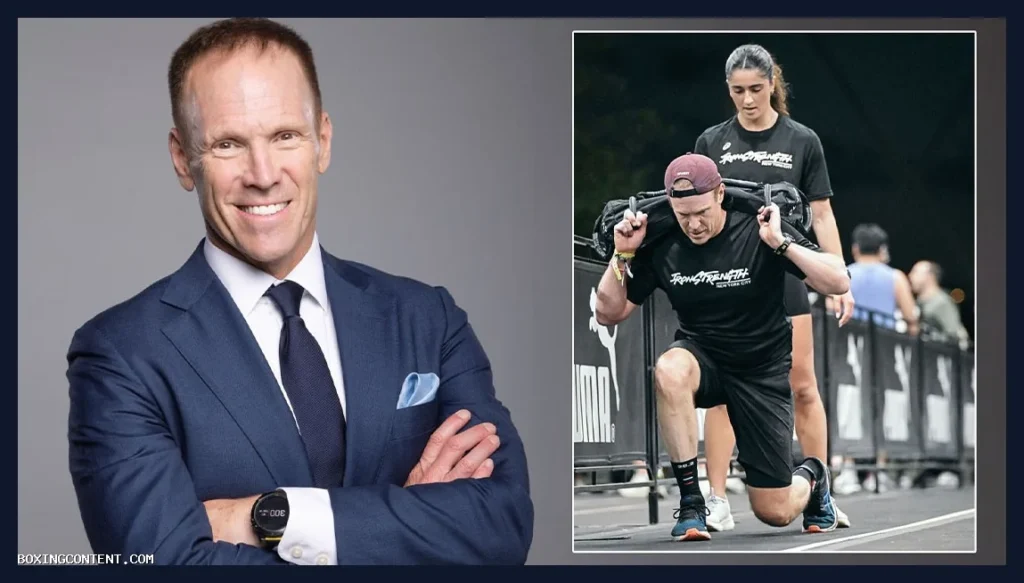
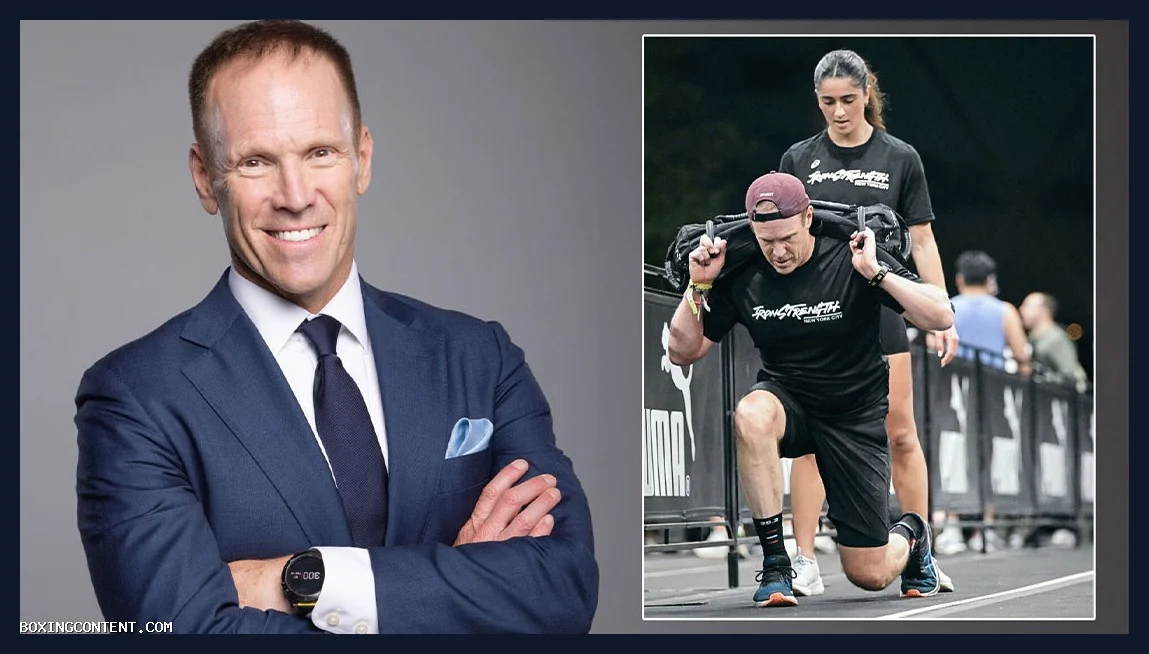
Dr. Jordan D. Metzl, a prominent sports medicine physician at the Hospital for Special Surgery (HSS) in New York City, argues that while professional support undoubtedly provides specific advantages, the foundational elements driving long-term physical capability are universally accessible. Dr. Metzl, who is also a bestselling author of titles including Running Strong and The Athlete’s Book of Home Remedies, as well as the founder of the IronStrength fitness community, continues to test his own physical limits through marathons and triathlons at the age of 60.
While acknowledging the immense infrastructure surrounding professional athletes—such as dedicated physical therapists, nutritionists, sleep monitors, and recovery specialists—Dr. Metzl emphasizes that these luxuries are not what fundamentally keep veterans competitive. Instead, the core physiological drivers that allow seasoned athletes to continue performing at a high level are identical for professional competitors and everyday individuals alike.
Consistency Beats Expensive Tech
When examining the biological mechanisms that protect the body against the passage of time, financial status ceases to be the determining factor. According to Dr. Metzl, the true secret to sustaining long-term physical health is remarkably straightforward and entirely democratic: consistency.
Maintaining muscle mass, developing and preserving cardiovascular fitness, prioritizing restorative sleep, consuming a balanced diet, and carefully managing training loads are habits that do not belong exclusively to the realm of professional sports. These core principles are readily available to anyone willing to apply discipline and routine to their daily lives, regardless of socioeconomic background or access to high-tech recovery gadgets.
Aging Requires Smarter Load Management, Not Quitting
As individuals progress through middle age and beyond, staying physically active naturally introduces new physiological challenges. Biological changes affect the musculoskeletal system, altering how tissues respond to physical stress and exertion.
In clinical practice, medical professionals frequently encounter specific types of age-related physical complaints among active adults. Tendon problems, particularly those involving the Achilles tendon, the patellar tendon around the kneecap, and the rotator cuff in the shoulder, become increasingly common. Additionally, physicians observe higher incidences of knee arthritis, meniscus injuries, hamstring and calf strains, and bone stress injuries among mature participants.
These developments occur because the biological tissues that facilitate human movement undergo structural changes over time. Tendons can gradually become less tolerant of sudden, unmeasured increases in training load, muscle recovery may require more extended periods of rest, and shifts in joint cartilage can make certain repetitive activities more symptomatic.
Despite these physiological realities, Dr. Metzl stresses the vital importance of distinguishing clearly between the normal process of getting older and the misconception of becoming fundamentally incapable. Clinical observations regularly reveal individuals in their 40s, 50s, 60s, and well beyond engaging in extraordinary physical feats and maintaining high levels of fitness.
The challenge, therefore, lies not in whether older adults should remain active, but in how they adapt their preparation. One of the most frequent mistakes made by aging athletes and fitness enthusiasts is the assumption that they can train with the exact same volume, intensity, and recovery windows they utilized at age 25.
Adopting a mature approach to fitness does not require individuals to abandon running, tennis, skiing, or heavy weightlifting. Rather, it demands a much smarter, more deliberate approach centered around preparation, progressive overload, and adequate recovery.
This philosophy requires paying close attention to high-quality sleep, proper nutrition, and the body’s internal feedback signals. Persistent or progressively worsening pain serves as a critical biological warning indicator that demands professional medical investigation rather than stubborn disregard. In this regard, everyday practitioners can emulate the habits of professional athletes, who systematically combine consistent training, targeted strength and mobility work, disciplined nutrition, and prioritized recovery.
Adapt Your Programming From Your 20s
Top-tier competitors naturally understand that the physical demands of training at age 40 or 45 differ significantly from the requirements of their twenties. Rather than pushing blindly through fatigue, experienced athletes modify their weekly workloads, alter their recovery schedules, and strategically adjust their approach to competition. They succeed not necessarily by doing more total work, but by executing their training protocols much more intelligently.
This realization offers a powerful lesson for the general public. Adopting the habits of elite longevity does not require LeBron James’s extensive financial resources; it requires consistency, personal discipline, and the psychological flexibility to adapt as one’s own body changes over the decades.
For individuals who have allowed their physical training routines to lapse entirely, sports medicine experts emphasize that it is never too late to reverse course and make measurable progress. For those who have avoided structured exercise for years, the recommended approach begins with small, manageable steps designed to integrate movement seamlessly into daily life. Starting with a modest 10 or 15-minute daily walk provides a sustainable foundation, from which individuals can gradually build endurance.
From there, incorporating resistance training twice a week, along with targeted exercises focused on balance and mobility, helps protect joint integrity and muscular function. Over time, individuals can safely increase the duration and intensity of their physical activity. Public health guidelines from organizations like the World Health Organization generally recommend 150 to 300 minutes of moderate-intensity aerobic activity each week, supplemented by muscle-strengthening exercises at least twice weekly. However, medical professionals frequently remind the public that any movement is vastly superior to total sedentarism, and even short, vigorous bursts of activity throughout the day yield meaningful health benefits. Ultimately, the most successful exercise program is simply the one an individual enjoys enough to maintain consistently over the long term.
Never Too Late to Restart
A central message conveyed to patients navigating the aging process is that advancing years do not require an unconditional surrender to a steady, inevitable decline in physical function. While natural reductions in muscle mass, raw strength, and aerobic capacity do occur as part of the human life cycle, a substantial portion of that decline remains entirely modifiable through lifestyle interventions.
The ultimate objective of lifelong fitness is not to rival the athletic achievements of professional superstars, but rather to cultivate the strongest, healthiest, and most capable version of oneself at every individual stage of life. True physical longevity is not secured by purchasing expensive recovery equipment or high-tech gadgetry, but by consistently executing the fundamental pillars of health over decades.
As demonstrated by medical professionals and lifelong athletes who continue to participate in marathons and triathlons well into their later decades, modifying training habits over time allows active individuals to preserve their physical passions and continue moving forward for years to come.