


The debate over the true value of a boxing trainer is as old as the sport itself. When breaking down the mechanics of a fight camp, enthusiasts and analysts alike frequently grapple with a fundamental question: How much difference can a cornerman genuinely make? If a promoter were building a fighter entirely from the ground up, or frantically trying to prepare a world-class athlete for a legacy-defining bout, which mastermind would they trust with the blueprint?
For insider commentary on these timeless queries, analysts often look to seasoned perspectives like those shared by reader "saad," who recently posed the question to the mailbag. The prevailing consensus is that elite trainers certainly move the needle, though the narrative surrounding their impact requires nuance. Too often, critics and fans alike fall into the trap of over-crediting a trainer when a champion is coasting on a dominant win, while unfairly scapegoating them the moment a game plan collapses. Naturally, there are clear-cut exceptions where a master tactician fundamentally alters a fighter’s trajectory, but at the end of the night, it is the athlete inside the squared circle who must execute the strategy.
When evaluating a matchup, experts note that viewers can generally discern the difference between a genuinely poor tactical plan and a tough, subpar individual performance by the athlete. Yet, the single most critical factor—and one that consistently avoids sufficient mainstream focus—is the personal and professional chemistry between the trainer and the fighter. A brilliant tactical mind is worth very little if the athlete cannot absorb, trust, or execute their vision.
When forced to choose from an all-time roster where every historical figure is available, analysts lean toward the legendary old-timers who mastered the psychological and technical fundamentals of the sport. Figures like the late Eddie Futch represent the gold standard of boxing intelligence, even if modern training aids like "pool noodles" were entirely foreign to their era. For those looking strictly at today’s active coaching landscape, modern masterminds like Robert Garcia earn high marks for their ability to consistently groom and prepare elite contenders at the highest levels of the sport.
The Art of Reinvention: How Fighters Adapt Across Eras
Moving from the corner to the canvas, another compelling topic often debated within the community is the rare phenomenon of the boxer who successfully reinvents themselves. Conventional wisdom in combat sports frequently warns against "trainer hopping," particularly for athletes over the age of thirty. The old adage that you "can’t teach an old dog new tricks" holds true for the vast majority of journeymen and contenders who attempt to overhaul their style late in their careers. However, boxing history contains staggering exceptions where veteran fighters completely transformed their approaches to extend their dominance.
Commentator Degys opened up this specific debate to the community, prompting insightful contributions from readers tracking the evolution of the sport. Tyler Neves pointed immediately to Manny Pacquiao as the ultimate study in athletic evolution. Starting his professional journey as a one-handed, high-velocity tornado of pure offense, the Filipino legend methodically evolved his craft over decades. By the later stages of his storied career, Pacquiao’s right hook had developed into a weapon arguably just as lethal as his legendary straight left. As Father Time inevitably slowed his legendary footwork, he seamlessly transitioned into a calculating boxer-puncher, proving remarkably successful while relying on significantly less movement than he did during his blistering prime.
Another monumental transformation cited by contributors was the late, great Emanuel Steward and his comprehensive rebuild of Ukrainian giant Wladimir Klitschko. Before crossing paths with Steward, Klitschko was frequently characterized as a vulnerable powerhouse—a literal glass cannon who suffered devastating knockout defeats at the parameters of punchers like Corrie Sanders and Lamon Brewster. Steward completely retooled Klitschko’s tactical approach, transforming him into a suffocating, jab-and-grab dominant champion who was exceptionally difficult to solve. Amassing an incredible undefeated streak under Steward’s tutelage, Klitschko reigned supreme until the legendary trainer’s untimely passing at age 68. Observers frequently wonder whether that historic championship run might have continued uninterrupted had Steward been in the corner to navigate the eventual clash with Tyson Fury.
Fantasy Matchups and Heavyweight Realities
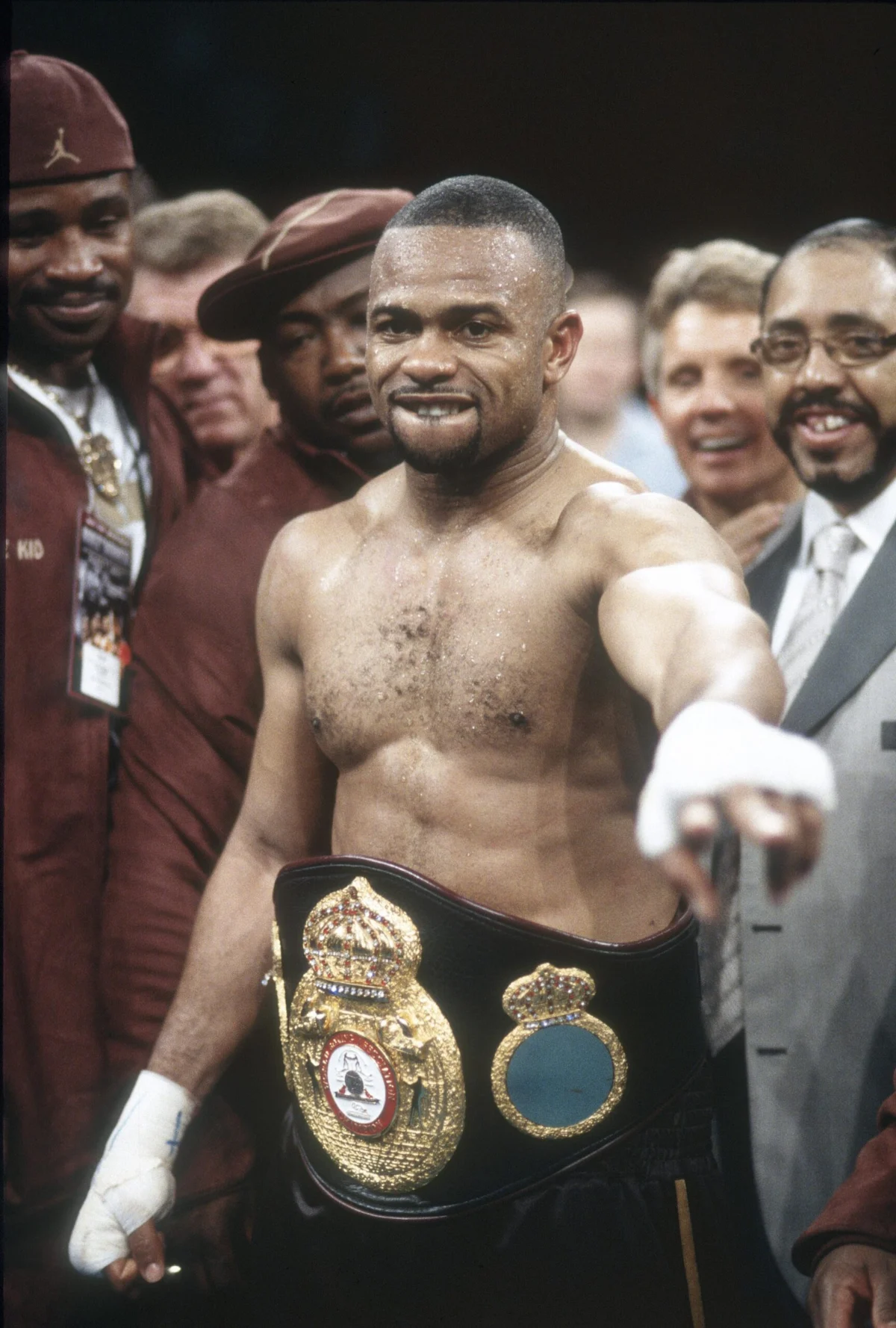
Shifting the lens toward historical fantasy matchups, reader SetonSeton sparked a fascinating debate regarding Roy Jones Jr. While Jones accomplished the extraordinarily rare feat of capturing world titles all the way from middleweight up to heavyweight, his historic victory over John Ruiz remains a frequent talking point. Because Ruiz is often categorized as one of the historically weaker heavyweight titleholders, analysts are left pondering a deeper question: Who is the best heavyweight champion that Roy Jones Jr. was genuinely good enough to beat, regardless of era?
If boxing historians exclude secondary and lesser-recognized belts, the legitimate list of viable targets shrinks considerably. A common temptation is to wonder if Jones could have found success against a smaller, all-time great pressure fighter like Joe Frazier. Prime Frazier was hardly a massive heavyweight by modern standards, typically standing around 5 feet 11 inches and weighing between 200 and 215 pounds during his peak years. However, analysts quickly dismiss the fantasy because Frazier’s relentless pressure and devastating punching power would likely have overwhelmed Jones, whose defensive brilliance might not have been enough to keep the all-time great slugger entirely at bay.
Realistically, a competitive fantasy scenario for Jones would involve squaring off against select old-time heavyweight champions who were legitimate titleholders but did not possess modern physical dimensions, potentially making them vulnerable to Jones’ blazing hand speed and unorthodox angles. Yet, any such matchup would hinge entirely on Jones maintaining a razor-sharp, snapping jab throughout the contest. Interestingly, while modern onlookers might look at a matchup between Jones and modern unified champion Oleksandr Usyk on paper and wonder if the American multi-division king had a chance, most tactical experts agree that Usyk’s unique skill set and pacing would have presented an insurmountable puzzle for Jones.
The Style Wars: Modern Defense and the "Boring" Label
The eternal philosophical conflict in boxing remains the classic battle between offense and defense—the mandate to "hit and not get hit." Few modern fighters embody this defensive ethos quite as purely as Shakur Stevenson, yet his masterclasses in avoidance frequently draw the ire of fans who label his performances as "boring."
This tension raises a deeper question regarding whether such criticisms amount to a form of disrespect toward the sweet science, or if fans have a justified grievance. The reality of combat sports economics suggests that this is simply the latest chapter in a very old story. Defensive virtuosos who prioritize safety and tactical dominance have historically struggled to captivate casual audiences or drive massive gate receipts outside of their regional strongholds.
Rather than viewing these fan reactions as disrespectful to the sport, observers note that professional boxing operates first and foremost as a spectator enterprise. In an era where boxing has become one of the most heavily paywalled and financially demanding sports on earth, paying consumers naturally expect high levels of entertainment. While a purist might marvel at the microscopic margins of error and defensive mastery displayed by a technician like Stevenson, that style does not inherently appeal to the average fan looking for high-octane violence.
On the current championship horizon, the discussion shifts to prospective high-stakes showdowns, such as the lingering questions surrounding Artur Beterbeif, Dmitry Bivol, or the potential danger facing Canelo Alvarez against rising contenders like Christian Mbilli. While any potential challenge to Canelo depends heavily on how much elite mileage the Mexican superstar has left in the tank, analysts suggest that a matchup against a high-pressure engine like Mbilli offers a more realistic window for an upset than many of Canelo’s recent bouts.
Navigating Late-Night Schedules and Boxing Cinema
For die-hard fans who follow the sport globally, the geographic shift of major fight cards toward Britain, Saudi Arabia, and East Asia has gradually altered the traditional viewing habits of the fanbase. While old-school enthusiasts spent decades keeping bizarre overnight hours to catch cards traditionally slotted for 10:00 or 11:00 PM on Friday and Saturday nights, the modern landscape has forced a slight normalization of sleep schedules. Nevertheless, true aficionados still relish the occasional early-morning overnighter streaming live from Japan or Australia, carrying on a tradition reminiscent of the beloved early-morning Olympic boxing broadcasts from London, Rio, Tokyo, and Paris.
This deep-rooted cultural fascination with the sport naturally extends into cinema, where boxing has inspired generations of filmmakers. Reflecting on the genre’s best cinematic representations, fans frequently revisit gritty classics like John Huston’s Fat City, a COVID-era recommendation that resonated deeply with viewers for its uncompromising look at the fading dreams of aging fighters. Alongside cinematic mainstays like the original Rocky—which stands apart from its more commercialized sequels as a genuine masterpiece—films like Raging Bull, Cinderella Man, Girlfight, and Ryan Coogler’s Creed continue to define the medium.
Lesser-appreciated gems also hold a cherished place in the hearts of film buffs. Cult classics like Showtime staples Gladiator and Diggstown from the 1990s capture a specific brand of energetic sports entertainment, while Humphrey Bogart’s The Harder They Fall serves as a brilliant intersection of boxing lore and dark film noir. Even unconventional, boxing-adjacent entries like the cynical, downtrodden musical It’s Always Fair Weather demonstrate how deeply the themes of the fight game have permeated artistic storytelling over the decades.
Away from the squared circle and the silver screen, followers of American sports franchises are forced to confront stark athletic realities closer to home. For long-suffering fans of the Detroit Lions, the window to capture an elusive Super Bowl appearance under current leadership appears to be rapidly closing. Observers note that the team has begun to lose its distinctive psychological edge, highlighting the profound impact former offensive coordinator Ben Johnson previously had on establishing the gritty identity that galvanized the franchise. As head coach Dan Campbell struggles through a challenging phase without that crucial offensive architecture, the familiar frustrations of supporting a flawed roster underscore just how fragile championship windows truly are in professional sports.