Boxing shoes remain one of the most critical and personal pieces of equipment for any fighter, ranking closely behind boxing gloves in terms of importance. A proper pair of boxing shoes anchors the athlete to the canvas, facilitating absolute control over footwork and allowing for both explosive movement and stable, planted stops. As fighters evaluate their gear for 2026, understanding the nuances of various brands, designs, and technical features is essential for maximizing performance in the ring.
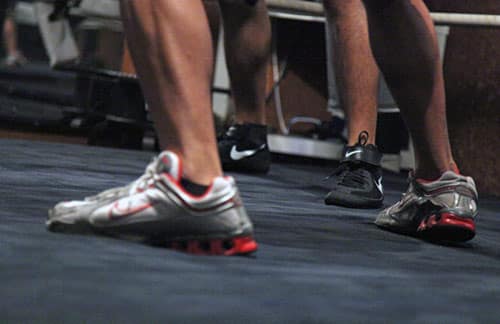
Unlike running or basketball shoes, which are engineered for forward momentum and multi-directional shock absorption, true boxing shoes are designed specifically for the unique biomechanics of the sport. They provide a lightweight, snug fit that connects the athlete directly to the canvas, optimizing comfort, mobility, speed, and power. Despite these clear advantages, beginners frequently resist purchasing dedicated boxing shoes. New participants often hesitate due to cost, a lack of perceived benefit, or the assumption that standard athletic trainers will suffice. However, transitioning to real boxing shoes is widely recognized as one of the fastest ways to instantly elevate a boxer’s performance.
Essential Features of Quality Boxing Shoes
When selecting a pair of boxing shoes, several core technical characteristics dictate how well the footwear will perform during training sessions and bouts.
Grip and pivot represent perhaps the most critical balance in boxing footwear. A proper boxing shoe must grip the ground firmly to prevent slipping during explosive power transfers, yet it must simultaneously allow the wearer to pivot smoothly on the balls of the feet for defensive maneuvers and power punches. Non-boxing athletic shoes typically fail in this regard, proving either excessively slippery or overly sticky, which can lead to awkward pivoting or potential injury. Fighters often balance traction against ease of movement depending on their personal fighting style.
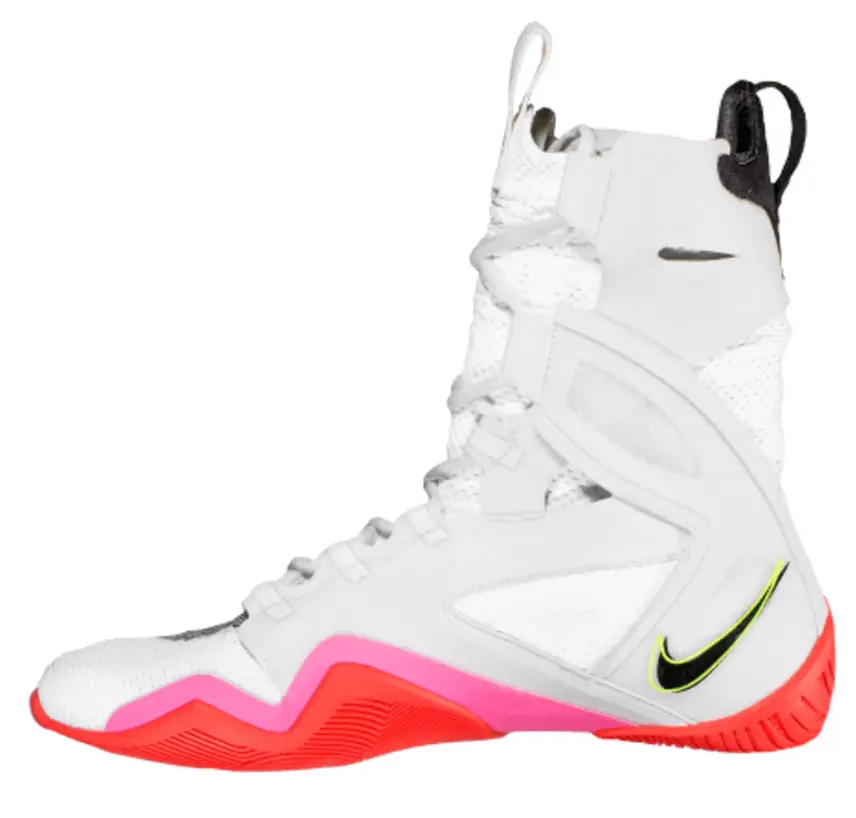
Sole thickness, hardness, and texture also drastically influence balance, agility, and power delivery. Insoles must offer a comfortable, neutral foundation that keeps the fighter balanced along their natural axis without forcing the feet inward or outward. Outsole thickness varies based on preference; thinner soles offer a direct feel of the canvas, enhancing agility, while thicker soles provide a more solid, stable platform for pushing off with maximum force. Furthermore, the construction of the toe and heel regions—whether the rubber outsole wraps up to cover high-wear areas or leaves the upper materials exposed—affects both the durability and the overall weight of the shoe.
Weight, thickness, and ankle support are equally vital considerations. Boxing shoes generally fall into three height categories: low-top, mid-top, and high-top. Conventional wisdom dictates that higher shoes offer superior ankle support, making them ideal for fighters prone to sprains or those who prefer a unified feeling from the knee down to the foot. Conversely, low-top designs maximize ankle mobility, catering to agile fighters with strong joints who prioritize speed. Stationary stability also distinguishes boxing footwear from running or tennis shoes; boxers require a flat, firm platform to sit down on their punches, contrasting sharply with the curved, heavily cushioned soles designed for running mechanics. Finally, comfort, width, and overall material quality dictate longevity. Synthetic meshes offer greater stretch and breathability, while premium leathers provide unmatched durability and a custom-molded fit over time.

Evaluation of Major Boxing Shoe Brands
The boxing shoe market features a diverse array of manufacturers, ranging from mainstream athletic giants to boutique leather artisans and luxury foreign makers.
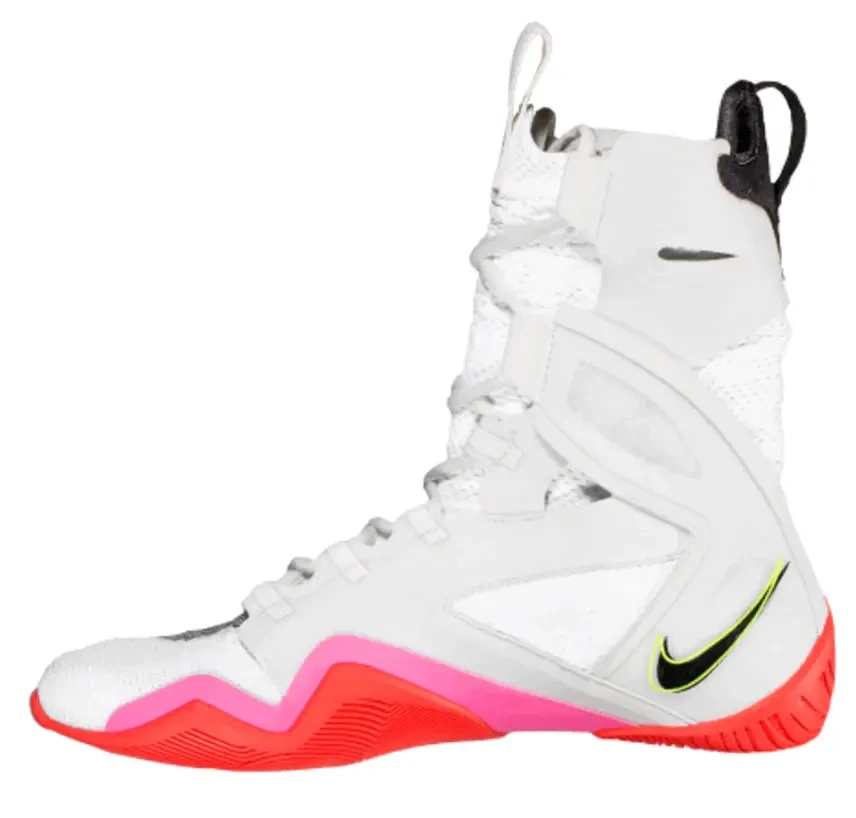
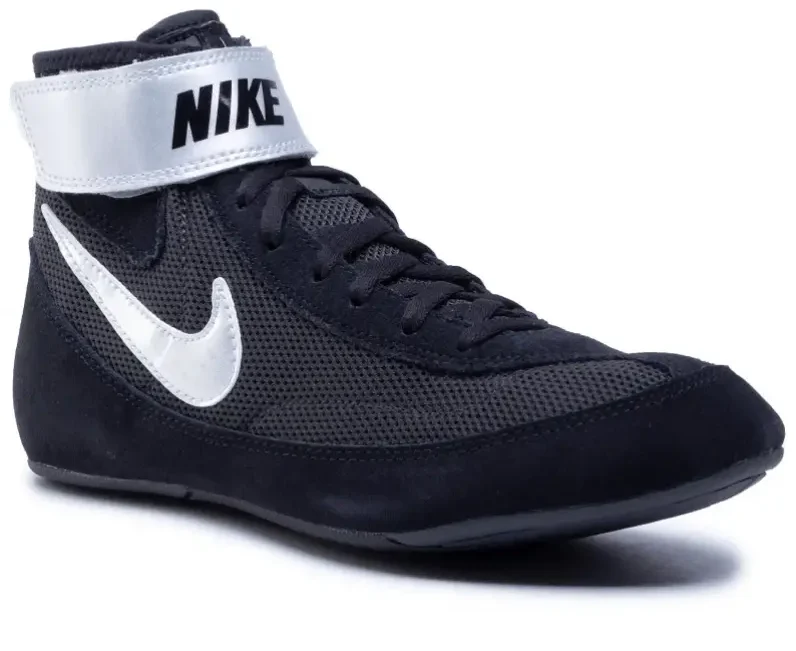
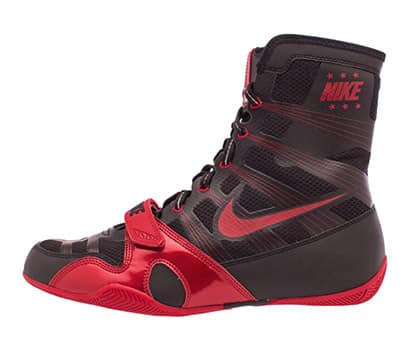
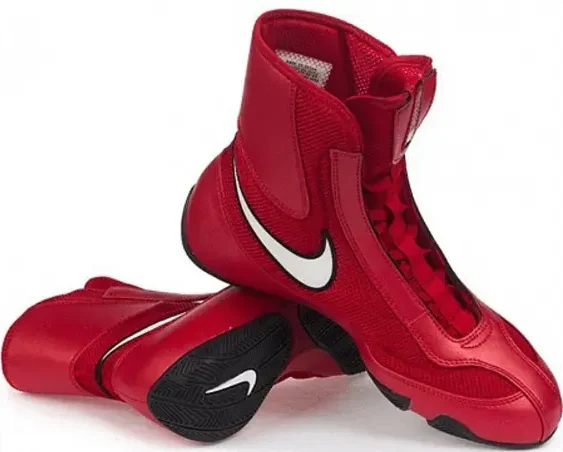
Nike remains the dominant force in the boxing footwear market, widely favored by both amateurs and professionals. Models like the Nike Speedsweep offer lightweight performance and exceptional grip at an accessible price point, often utilized as a versatile hybrid wrestling and boxing shoe. Meanwhile, high-top models like the Nike HyperKO, popularized by icons such as Manny Pacquiao, deliver a stiff, supportive boot structure paired with ultra-lightweight upper materials. Other classic options, including the Nike Machomai mid-tops, continue to maintain a strong presence in gyms across the globe due to their reliable performance and sleek aesthetic.
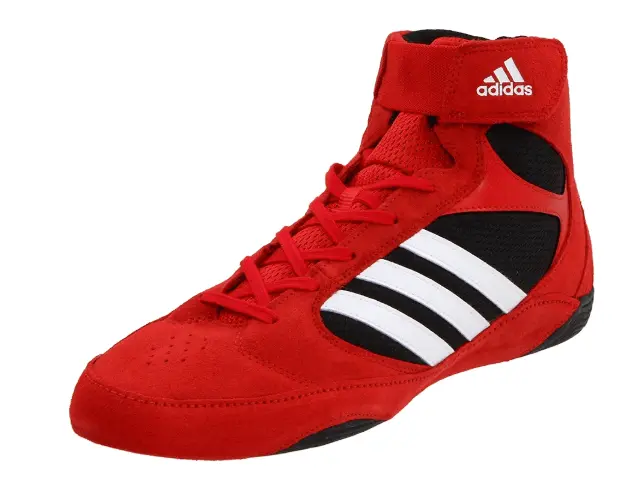
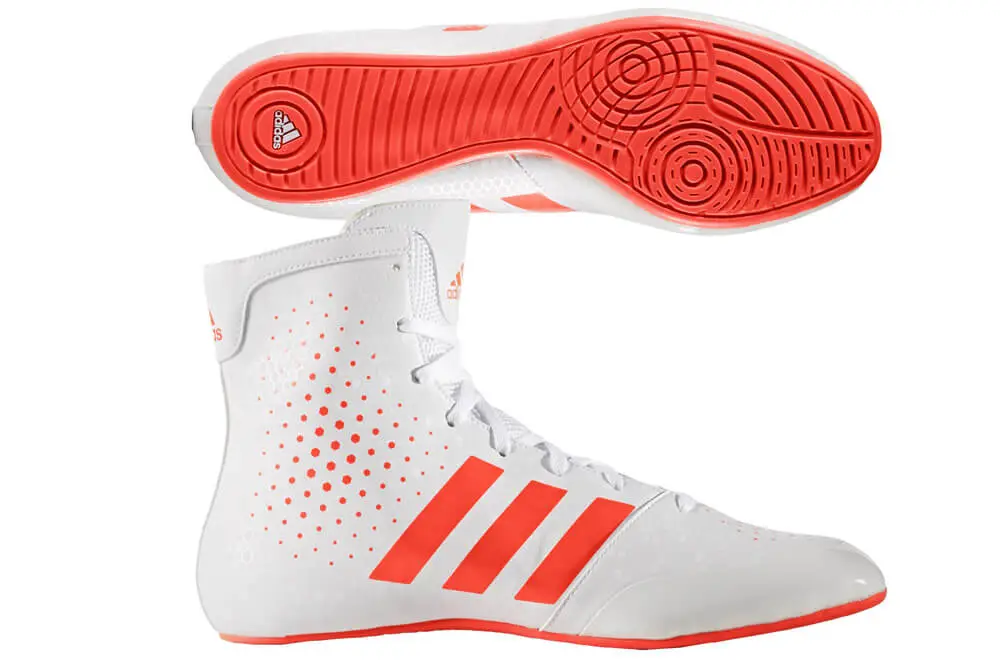
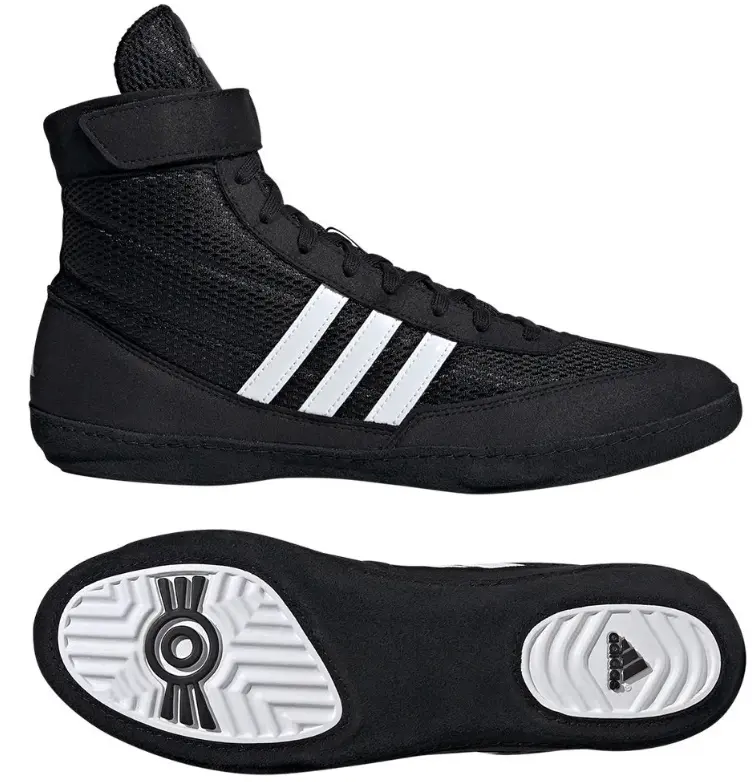
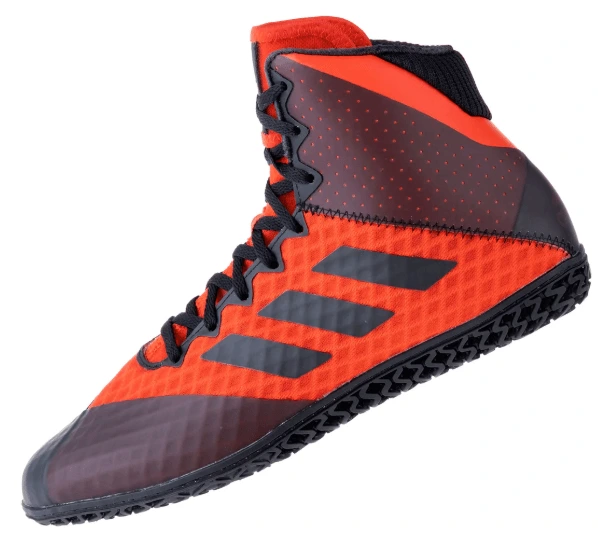
Secondary mainstream athletic brands, including Adidas, Reebok, Rival, and Venum, offer competitive alternatives. Adidas maintains a strong foothold internationally, particularly in Europe, with popular models like the Speedex, KO Legend, and Combat Speed series providing reliable performance and distinct styling. Reebok has also entered the market with models favored by elite professionals like Floyd Mayweather and Amir Khan, though some fighters note a narrower fit compared to Nike counterparts. Rival offers robust options such as the Guerrero and RSX series, appealing to fighters who prefer a sturdier, heavily structured build with enhanced ankle support, despite a slightly heavier footprint. Venum continues to expand its presence with flexible, adaptive mid-top designs aimed at competing directly with top-tier brands.
Traditional Mexican manufacturers, including Cleto Reyes and specialized boutique makers like Adams Boxing, bring a different philosophy to the market. While mass-produced brands rely heavily on synthetic materials, mesh, and rubber, traditional Mexican boxing shoes often feature all-leather construction. This traditional approach yields superior durability and a custom-molded fit that improves with age, though it requires a longer break-in period and typically comes at a higher price point. Cleto Reyes high-tops, equipped with convenient side zippers to eliminate the hassle of daily lacing, remain a staple for purists.
Luxury brands such as Winning, Mizuno, and Di Nardo represent the pinnacle of cost and craftsmanship. Winning shoes, manufactured in Japan, are celebrated for their ultra-lightweight construction, though preferences vary among purists. Mizuno, another Japanese brand worn by elite fighters like Saul "Canelo" Alvarez, offers exceptional comfort, sleek profiles, and perfectly distributed weight, though they remain rare and expensive in Western markets. At the highest end of the spectrum, Italian boutique maker Di Nardo crafts custom boxing shoes by hand using the finest Italian leather, providing an unmatched level of luxury and personalized design for serious competitors.
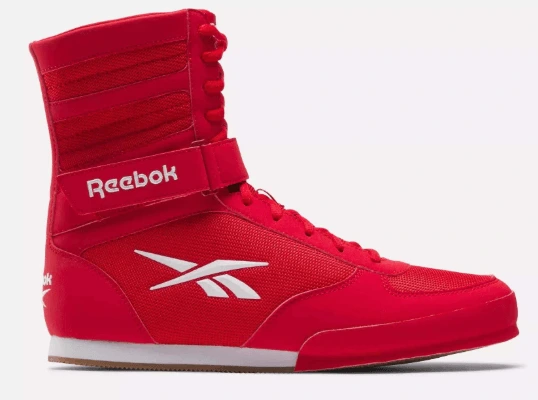
Budget-friendly alternatives, primarily established wrestling shoes from brands like Asics, are frequently adopted by boxers seeking quality performance without the premium price tag. Models such as the
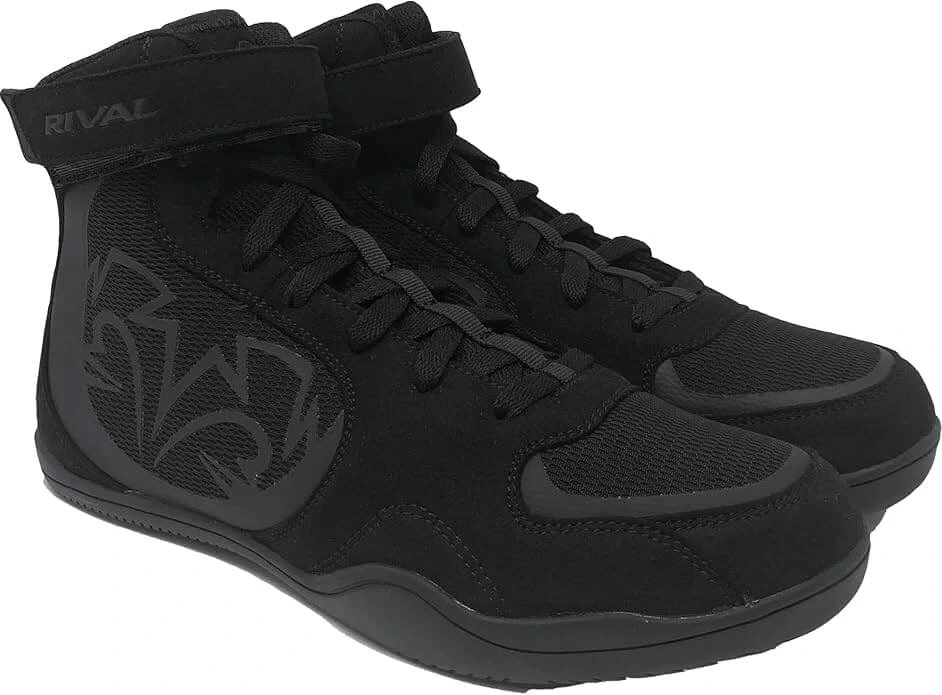
Asics JB Elite and Matflex series provide solid grip and lightweight agility. Conversely, brands traditionally associated with general equipment manufacturing, including Everlast, Ringside, Title Boxing, and Lonsdale, often receive mixed reviews regarding long-term durability, comfort, and precise anatomical fit, though they remain widely accessible for casual participants and youth programs.