

The ongoing strategic alliance between the World Boxing Association (WBA) and amateur boxing governing bodies across the Americas is yielding tangible, high-level results in the identification and nurture of young athletic talent. The practical dividends of this institutional collaboration were brought into sharp focus by Tomás Cianca, Second Vice President of the Pan American Boxing Confederation, who publicly commended the transformative impact of the WBA Future Champions program following Panama’s impressive medal performance at the recent Codicader Games.
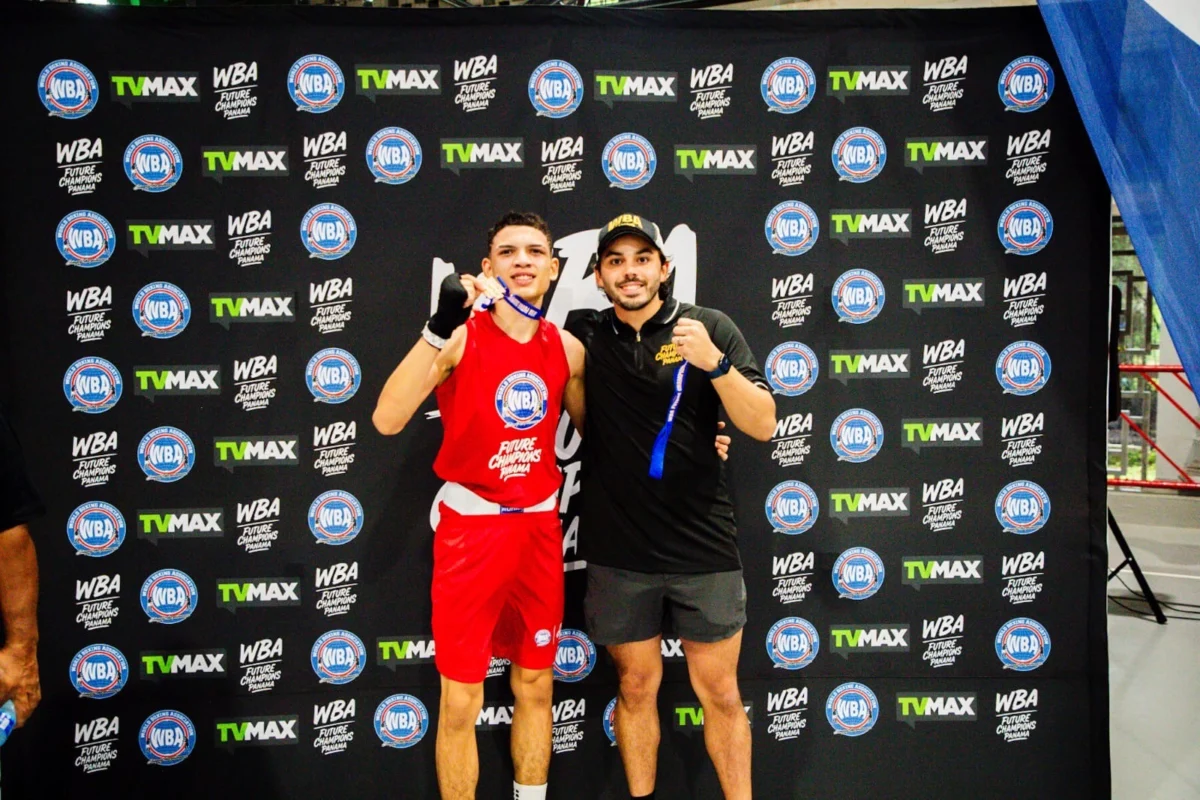
Speaking on the developmental trajectory of youth boxing in the region, Cianca highlighted how targeted institutional backing has directly elevated the competitive readiness of emerging boxers. The Panamanian sports executive pointed to Panama’s standout campaign at the multi-sport regional event, where the national contingent secured eight final appearances and captured four gold medals, as a clear testament to the efficacy of the joint initiatives currently operating at the grassroots level.
According to Cianca, the successful outcomes observed on the international stage are not accidental but rather the direct product of a structured, long-term strategic blueprint. This plan focuses on creating robust, active bridges between major international sanctioning bodies and grassroots organizations dedicated to foundational athletic development. Within this collaborative framework, Cianca emphasized the crucial roles played by key regional leaders, explicitly recognizing the joint efforts led by Lautaro Moreno, Director of FEDELATIN, and Alfredo Mendoza, Deputy Director of FEDELATIN.
The synergy between FEDELATIN—the WBA’s regional affiliate—and local sports bodies has established a direct link between high-level administrative oversight and day-to-day training environments. By working alongside regional administrators like Mendoza and Moreno, the WBA Future Champions framework has managed to integrate specialized knowledge, technical resources, and systematic oversight into traditional amateur training routines.
Reflecting on the collective effort required to achieve such significant success at the Codicader Games, Cianca noted that while local structures provided the essential foundation, the specialized intervention of the WBA Future Champions program was pivotal in taking the team’s performance to the next level. He explained that the achievements belonged to an interconnected network of stakeholders, acknowledging that local boxing clubs, provincial leagues, and the national boxing federation all performed their respective duties effectively. However, he maintained that the substantial contribution provided by the Future Champions initiative, working directly with Mendoza, was the key catalyst that enabled Panama to assemble an exceptionally competitive team capable of dominating regional bouts and reaching eight separate weight-class finals.
The success of the program extends beyond mere podium finishes and medal tallies. In his comprehensive assessment, the Pan American Boxing Confederation official placed strong emphasis on the deep-seated educational mission and altruistic spirit that underpins the WBA Future Champions framework. Unlike traditional commercial boxing endeavors, the initiative operates with a dedicated focus on holistic athlete development, driven by a shared passion for the sport and a commitment to the well-being of young competitors.
A core component of this developmental strategy involves systematic, monthly technical evaluations. These regular diagnostic sessions are designed to meticulously examine the physical mechanics, tactical approaches, and training regimens of participating young athletes. By conducting rigorous monthly reviews, technical experts connected with the program can identify biomechanical flaws, tactical vulnerabilities, or gaps in physical conditioning early in an athlete’s development. This enables local coaches to continuously adjust, correct, and refine training plans, ensuring that prospective boxers build sound foundational technique while minimizing the risk of injury or bad habits that could hinder their long-term growth.
The structured technical oversight provided by the WBA Future Champions program addresses a long-standing challenge in regional amateur boxing, where local clubs often possess immense passion and talent but lack access to standardized diagnostic evaluations and modernized training methodologies. By bridging this gap, the program creates a standardized level of preparation that allows young boxers from diverse local leagues to step onto international platforms, such as the Codicader Games, with the technical composure and tactical sophistication required to perform under high-pressure conditions.
Furthermore, the educational aspect of the program reinforces values such as discipline, sportsmanship, academic balance, and personal accountability. By treating young boxers as student-athletes whose character development is as critical as their performance in the ring, the initiative seeks to build well-rounded individuals who can represent their communities with pride both inside and outside the sporting arena.
This collaborative model demonstrates the potential of institutional partnerships to revitalize amateur and Olympic boxing ecosystems across the wider Latin American and Caribbean region. Historically, professional sanctioning bodies and amateur boxing federations operated in separate spheres, often with contrasting goals and minimal direct cooperation. However, the collaborative efforts championed by the WBA, FEDELATIN, and the Pan American Boxing Confederation represent a modern approach to sports governance—one where professional entities actively invest in the foundational grassroots infrastructure that nurtures the sport’s next generation.
By prioritizing grassroots support, the WBA reaffirms its broader organizational commitment to strengthening amateur and Olympic boxing not only within Panama, but throughout the entire American continent. The Future Champions program has positioned itself as an essential platform for talent identification, offering young athletes a clear, structured pathway from initial club-level training to high-level regional competition, national team selection, and potential international representation.
The results observed at the Codicader Games serve as a tangible proof of concept for this collaborative philosophy. For Panama, securing eight finalist positions and four gold medals represents a major milestone in youth sports development, signaling that the nation’s pipeline of athletic talent is being effectively developed through methodical preparation and strategic investment. For the broader boxing community across the Americas, the praise offered by Tomás Cianca underscores the growing recognition that long-term athletic success relies on strong partnerships, expert technical guidance, and sustained commitment to youth development.
As the WBA Future Champions program continues to expand its reach and consolidate its technical evaluation frameworks alongside FEDELATIN and national federations, the initiative remains focused on providing young boxers with the tools, guidance, and competitive opportunities necessary to realize their full potential. Through continued monthly evaluations, collaborative training structures, and dedicated administrative leadership from officials like Lautaro Moreno and Alfredo Mendoza, the program is setting a standard for how global boxing institutions can meaningfully contribute to the sustainable, long-term health of amateur sport.