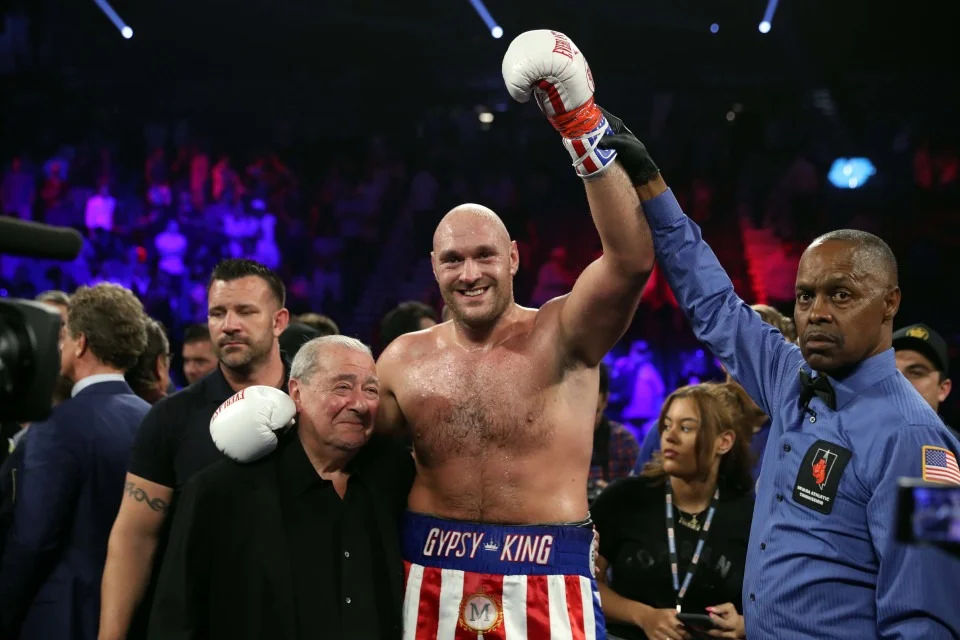
Former heavyweight boxing champion Tyson Fury has opened up about his private mental health battles in unprecedented detail, revealing that he was diagnosed with schizophrenia and bipolar disorder following a prolonged period of severe psychological distress. The British sporting icon shares his deeply personal experiences in an upcoming Netflix documentary, offering viewers an intimate and unfiltered account of the profound psychological difficulties he faced after reaching the pinnacle of professional boxing.
The revelations center on the turbulent period that followed Fury’s career-defining victory over Wladimir Klitschko in November 2015. By defeating the long-reigning champion in Dusseldorf, Germany, Fury claimed the WBA (Super), IBF, WBO, IBO, and The Ring heavyweight titles, fulfilling a lifelong ambition and capturing the imagination of the global sports world. However, rather than ushering in an era of sustained celebration, the triumph marked the beginning of one of the darkest and most challenging chapters of his life.
Speaking candidly in the documentary, Fury explained how crippling anxiety, deep depression, and intensely disturbing psychological experiences gradually began to take control of his everyday existence. The fighter, who has long been known for his charismatic and often larger-than-life public persona, revealed a starkly different and vulnerable reality behind closed doors. "Words can’t explain the darkness I was in," Fury said, describing the depths of his psychological turmoil as a living version of hell.
As his mental health deteriorated rapidly away from the public eye, Fury sought professional help. He recalled visiting a psychiatrist in London for a comprehensive medical evaluation. The assessment ultimately resulted in clinical diagnoses that included schizophrenia and bipolar disorder, shedding medical light on the severe cognitive and emotional disturbances he had been enduring.
A Battle Behind the Scenes
Despite achieving the ultimate goal of his childhood, Fury’s personal circumstances began to unravel at an alarming rate in the wake of the Klitschko fight. Stripped of the rigorous structure that training camps and competitive boxing provided, he experienced significant weight gain, struggled heavily with alcohol and substance abuse, and ultimately felt compelled to step away from the sport altogether. His absence from the ring stretched on for years, leaving fans and boxing pundits to wonder whether they would ever see the talented heavyweight compete again.
During the height of his struggles, Fury also experienced severe auditory hallucinations. He described hearing voices that made it exceedingly difficult to function normally or hold ordinary conversations, compounding the isolation and fear caused by his worsening mental health conditions.
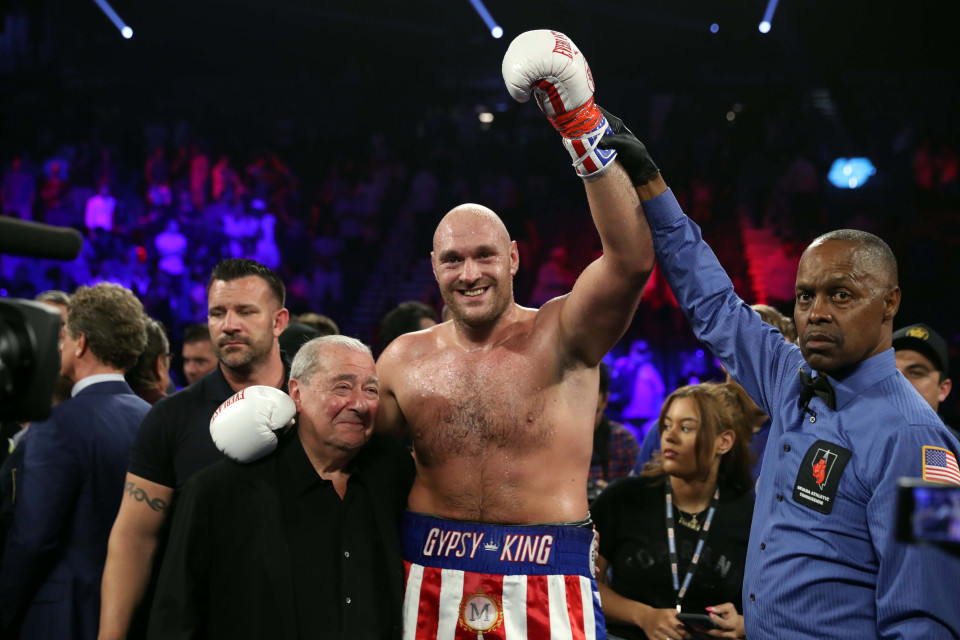
His wife, Paris Fury, also features prominently in the documentary, offering a vital perspective on the shock and confusion that surrounded her husband’s diagnosis. She discusses the immense toll that his psychological difficulties took on their family life and household dynamics. Paris recalled initially struggling to comprehend the complex medical terminology used by healthcare professionals, but explained how she gradually came to recognize the true seriousness of his medical condition and the urgent need for comprehensive support.
From Personal Crisis to Boxing Comeback
The profound personal crisis and extended absence from the sport threatened to permanently derail one of the most promising careers in modern heavyweight history. For a prolonged period, the prospect of Fury returning to championship-level boxing appeared remote, with many questioning whether he could overcome the dual burdens of mental illness and severe physical inactivity.
However, after a concerted effort to rebuild his life, address his demons, and seek appropriate support, the heavyweight engaged in one of the most remarkable athletic comebacks in sporting history. Fury mounted his sensational return to the ring in 2018, gradually shedding excess weight and working his way back to peak physical and mental condition.
His redemption arc culminated in February 2020 when he faced fearsome American puncher Deontay Wilder. In a dominant performance, Fury defeated Wilder to reclaim the heavyweight world championship, cementing his status among the greatest fighters of his era and re-establishing his position at the very summit of boxing. His latest revelations in the upcoming documentary offer unprecedented context regarding the immense personal obstacles he had to overcome behind the scenes during that transformative period.
Breaking the Stigma Surrounding Mental Health
Industry observers note that Fury’s decision to speak openly and candidly about conditions such as schizophrenia and bipolar disorder could play a significant role in encouraging greater public understanding and empathy regarding serious mental health challenges, particularly within the often hyper-masculine environment of professional sports. His story forcefully illustrates that external markers of success, such as wealth, fame, and world championship titles, do not render an individual immune to mental illness.
The Netflix documentary, simply titled Tyson Fury, is scheduled for release on November 27, 2026. For Fury, the project provides a deeper, more reflective look into a grueling battle that took place far away from the bright lights of the boxing ring—one that he continues to view as among the hardest and most consequential fights of his entire life.