
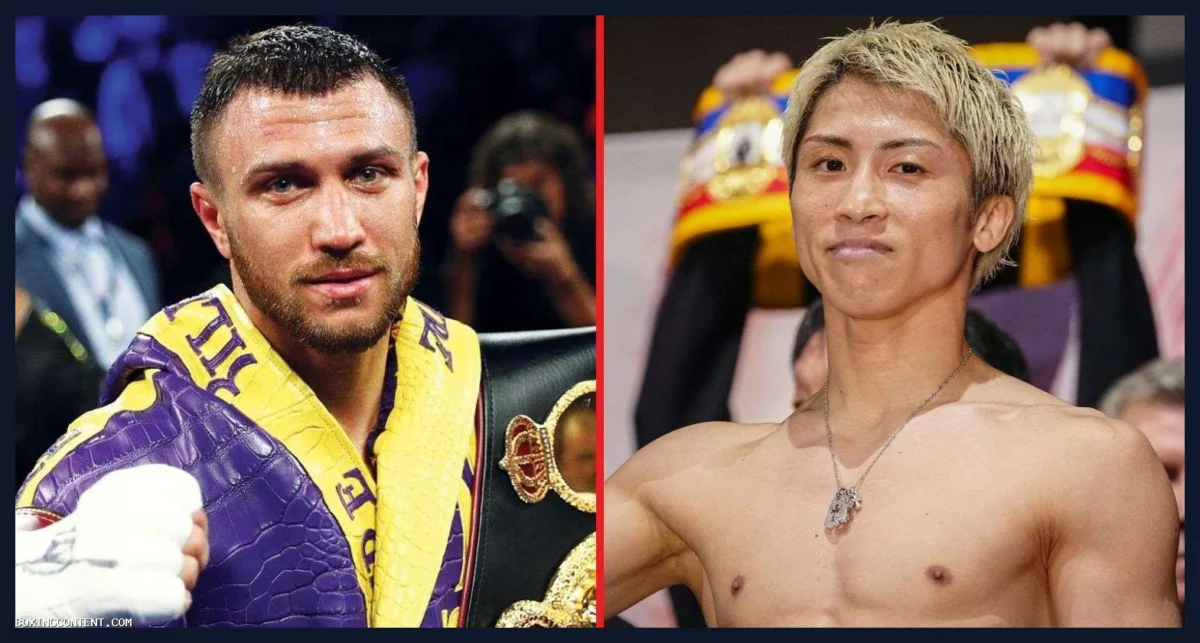
In the modern era of professional boxing, few figures capture the imagination of fight fans quite like Naoya Inoue and Vasiliy Lomachenko. Both men have cemented their legacies as two of the greatest pound-for-pound fighters in recent history, dominating multiple weight classes with unique blends of extraordinary skill, athleticism, and killer instinct. While the paths of the Japanese superstar and the Ukrainian maestro never crossed inside the squared circle during their respective primes, legendary trainer and respected fight analyst Teddy Atlas has offered a fascinating glimpse into how such a dream matchup might have played out.
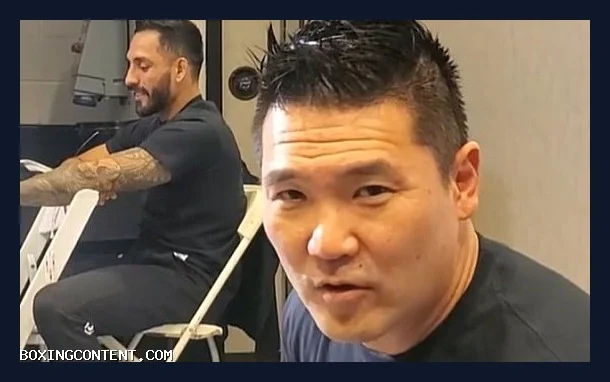
Speaking on his official YouTube channel, Atlas broke down the hypothetical fantasy fight between the two icons, considering their physical dimensions, fighting styles, and historical achievements. According to Atlas, a meeting between Inoue and Lomachenko would most likely have been contested at a catchweight, given their natural body frames and the divisions they conquered throughout their illustrious careers.
To understand the weight class dynamics of this potential superfight, one must look closely at the trajectories both fighters traveled to achieve greatness. Vasiliy Lomachenko carved out an extraordinary path through the lower and middle tiers of the lighter weight classes with astonishing speed. Remarkably, the Ukrainian southpaw challenged for the WBO featherweight title in just his second professional bout—an extraordinarily ambitious move that fell narrowly short. Undeterred, Lomachenko returned in his very next fight, his third as a professional, to capture the WBO featherweight strap. From there, he continued his ascent, eventually capturing world titles up at super-featherweight and lightweight. This achievement was all the more remarkable considering he was frequently undersized when stepping into the ring against naturally bigger men at 135 pounds, relying on his peerless technical wizardry to bridge any physical gaps.
Meanwhile, Naoya Inoue has enjoyed a similarly dominant reign, currently standing as arguably the pound-for-pound number one fighter in all of boxing. "The Monster" has claimed world championships across four distinct weight divisions and has twice ascended to the absolute pinnacle of the sport by becoming an undisputed titleholder. Currently, the Japanese knockout artist holds all four major governing body belts at super-bantamweight, continuing a relentless march of destruction that has left few challengers standing in his wake.
Discussing how these two phenomenal resumes and fighting styles would intersect in a fantasy matchup, Atlas pointed out that the physical disparities would not have been an insurmountable barrier to making the bout a reality. Lomachenko proved during his prime that he could successfully compete against larger opponents, while Inoue has methodically moved up through the weight classes, establishing himself as a formidable force at junior-featherweight.
"Loma was a little bigger when he won his first world title at featherweight, but Inoue now is a junior-featherweight champion, so this fight easily could have been made at a catchweight and I think that it really would have been an interesting, great fight," Atlas explained to his viewers during his channel’s breakdown.
When pushed to pick a winner between the two generational talents, Atlas ultimately sided with the Ukrainian southpaw. His reasoning was deeply rooted in the psychological warfare and demoralizing dominance that Lomachenko frequently inflicted upon his opponents during the peak years of his career. Atlas expressed a profound appreciation for the unique manner in which Lomachenko completely dismantled the resolve of elite opposition, often forcing world-class fighters to surrender on their stools.
Expounding on Lomachenko’s prime abilities, Atlas highlighted the chilling efficiency with which the former pound-for-pound king broke the spirits of the men standing across the ring from him. It was never just about physical punishment or accumulation of damage for the Ukrainian technician; it was an systematic dismantling of hope itself.
"Lomachenko at his best, he broke people’s souls," Atlas stated. "He didn’t just break their bodies, at his best he made guys quit. Good fighters quit against him at his best. The reason they did it is because he took hope away."
Atlas further compared Lomachenko’s relentless pressure and suffocating defensive mastery to that of a legendary Mexican-American multi-division champion, noting the psychological burden placed upon anyone trying to figure out the puzzle of the Ukrainian’s unorthodox angles and blinding hand speed.
"He pressed them, a little like a young Roberto Duran, he pressed them and as he was pressing them, he was taking away their hope that they could do anything about it because they couldn’t hit him," Atlas added. "That is tough, that is rough. He is pressing you and you can’t frickin’ hit him to give you hope."
While fight fans can only ever debate how Inoue’s concussive punching power and devastating body-work would match up against Lomachenko’s matrix-like movement and demoralizing pace, both athletes continue to write the final chapters of their storied careers. Lomachenko is poised to end his retirement and return to competitive action against Charly Suarez on Saturday, February 13, as the veteran contender eyes another major opportunity and a shot at reclaiming the undisputed super-featherweight world title.