

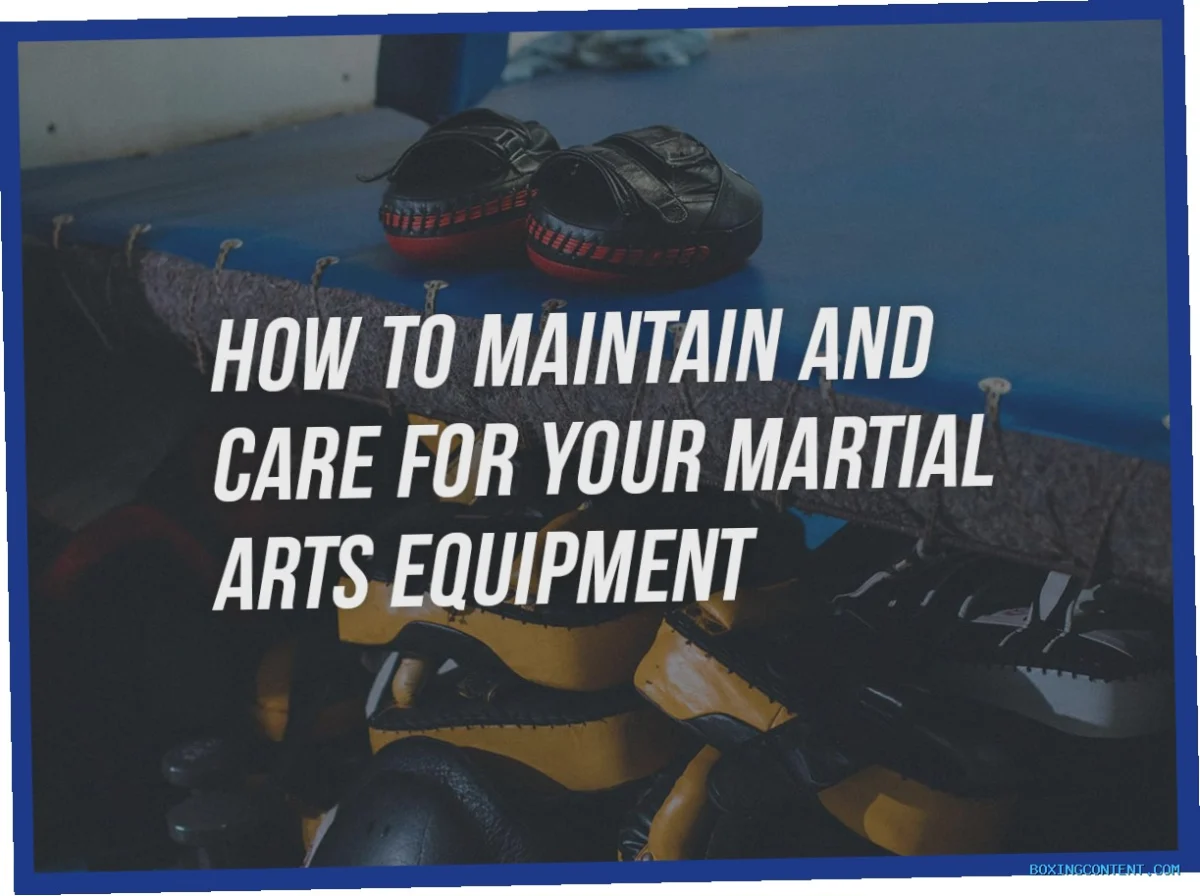
Training in martial arts inherently comes with its fair share of wear and tear—not just on the human body, but on the equipment that safeguards practitioners day in and day out. Whether an athlete is practicing Muay Thai, boxing, Brazilian Jiu-Jitsu, or any other martial art, the proper maintenance of gear has emerged as an essential component of a disciplined athletic routine. Without the right care, specialized equipment can wear out at an accelerated pace, become entirely unhygienic, and even compromise an individual’s physical performance or personal safety inside the gym.
In the demanding world of combat sports, gear takes a relentless beating. Industry experts and experienced coaches continually emphasize that effective martial arts equipment maintenance is what separates equipment that lasts for years from gear that must be prematurely discarded. From heavy leather gloves to molded shin guards and protective mouthguards, proper care makes a profound difference in athletic longevity and overall hygiene.
Cleaning and Maintaining Boxing Gloves
Boxing gloves, whether utilized for traditional boxing, Muay Thai, or mixed martial arts, unquestionably take the brunt of the heavy impact delivered during intense training sessions and high-intensity sparring rounds. Because these gloves are subjected to repeated blows against heavy bags, pads, and training partners, coupled with profuse hand sweat, regular and thorough cleaning is vital to their structural integrity.
When practitioners neglect the basic steps of glove care, the trapped moisture creates a breeding ground for harmful bacteria and fungi. This neglect frequently leads to the development of stubborn mold and a distinctly foul odor that can permanently ruin the leather or synthetic material, significantly shortening the operational lifespan of the equipment. Proper airing out, interior wiping, and conditioning are standard practices among seasoned fighters looking to preserve their investment.
Taking Care of Shin Guards
Shin guards represent another crucial component of a martial arts practitioner’s protective arsenal, particularly for those dedicated to Muay Thai, kickboxing, and various striking arts. Because these guards cover a large surface area and are constantly exposed to sweat, friction, and heavy impacts against shins and elbows, they demand regular maintenance to remain in optimal condition.
Athletes who fail to properly dry and clean their shin guards after every session often find that the padding degrades prematurely, straps lose their elasticity, and unpleasant odors set in. Consistent upkeep ensures that shin guards continue to provide maximum shock absorption and protection while remaining comfortable and secure during rigorous training sessions.
Preserving Your Hand Wraps
Hand wraps absorb staggering amounts of sweat during a typical training session, making them exceptionally prone to rapid bacteria build-up and pungent odors if they are simply tossed into a gym bag and left unattended. Regular and proper washing is universally recognized as crucial for keeping these fabric strips both hygienic and fully functional.
Although hand wraps are generally considered an inexpensive piece of equipment compared to premium leather gloves or custom protective gear, proper maintenance vastly extends their durability. Well-maintained wraps continue to offer the vital wrist and knuckle support required to prevent injuries during heavy bag work and sparring.
Mouthguard Hygiene and Longevity
A custom or boil-and-bite mouthguard is an indispensable piece of safety equipment designed to protect the teeth, jaw, and brain from severe trauma during martial arts training and competition. However, due to its constant contact with saliva and exposure to gym environments, a mouthguard is extremely vulnerable to bacterial and fungal growth if it is not properly cleaned, sanitized, and stored after every use.
Maintaining strict hygiene standards for mouthguards is paramount for preventing oral infections and ensuring ongoing safety. Athletes are routinely advised to rinse, wash, and store their mouthguards in ventilated protective cases rather than leaving them exposed at the bottom of dark, damp gym bags.
Caring for Headgear and Protective Pads
Headgear, chest guards, and various specialized protective pads are fundamental for safe sparring practices across martial arts disciplines such as Muay Thai, Taekwondo, and traditional boxing. These items offer vital protection against concussions, facial cuts, and rib injuries, but their continued reliability depends entirely on consistent maintenance.
Sweat accumulation, skin oils, and general gym grime can degrade the outer synthetic or leather skins of protective pads, as well as compromise the dense inner foam layers. By taking proactive steps to clean, dry, and store protective equipment correctly, martial athletes ensure that their gear remains in top structural condition, delivering the exact level of safety and performance needed during high-pressure training scenarios.
Cleaning Martial Arts Uniforms (Gi)
For dedicated practitioners of grappling-centric martial arts such as Brazilian Jiu-Jitsu, Judo, and Karate, keeping the traditional gi or uniform impeccably clean is an absolute prerequisite of participation. The heavy cotton weaves absorb immense amounts of sweat, body oils, and friction during close-quarters grappling exchanges.
Maintaining a clean, intact, and properly washed uniform not only keeps the practitioner looking sharp and professional on the mats, but it also actively promotes hygiene, prevents skin infections like ringworm and staph, and demonstrates fundamental respect within the wider martial arts community.
Conclusion: Long-Lasting Equipment for Long-Lasting Training
Ultimately, caring for martial arts equipment serves as a direct investment in both personal safety and athletic performance. Whether dealing with boxing gloves, shin guards, hand wraps, protective headgear, or a traditional grappling gi, practicing disciplined equipment maintenance ensures that gear stays in reliable condition. This routine diligence saves athletes money over the long term while keeping training sessions safe and effective.
Integrating gear maintenance seamlessly into a post-training routine—treating it with the same discipline as the physical workout itself—yields cleaner, more dependable equipment that ultimately enhances the entire martial arts experience. With just a little consistent care and attention, quality gear can reliably serve a practitioner for many years on the mats.