


As the winter months roll in, maintaining physical fitness and keeping seasonal weight gain at bay becomes a primary focus for many fitness enthusiasts and everyday individuals alike. Colder temperatures often bring a natural biological urge to consume heavier, more calorie-dense comfort foods, which can quickly derail long-term health and wellness goals. However, navigating the winter season without sacrificing your nutritional targets may be easier than many think, thanks to a viral social media recipe shared by popular online cooking creator Mark Stache. In a recent video presentation that has quickly captured the attention of the fitness community, Stache outlined what he describes as his personal winter weight loss plan. Surprisingly, the cornerstone of his strategy is not a complicated supplement regimen or an extreme dietary restriction, but rather a hearty, comforting, and nutrient-dense bowl of chili.
This meatless creation delivers an impressive nutritional profile, packing nearly 40 grams of protein and an exceptionally high amount of dietary fiber into a single serving. For individuals wondering why a seasoned recipe developer and runner like Stache reaches for this specific dish the moment outdoor temperatures begin to drop, the answer lies in a careful balance of macronutrients designed to sustain energy and stave off hunger throughout the day. By carefully weighing each component and running the final recipe through a comprehensive nutrition calculator, Stache developed a dish that yields roughly six substantial servings, with each individual bowl weighing approximately 440 grams and totaling 560 calories.
The Numbers Behind This Hefty Bowl
Addressing his audience, Stache noted that while the dish may look like a simple, traditional chili on the surface, it serves as the foundational element of his cold-weather nutrition strategy. The sheer density of the ingredients means that a single bowl provides an extraordinary amount of daily fiber. While dietary guidelines typically establish a target range rather than a strict upper limit—advising most adults to aim for roughly 25 to 38 grams of fiber daily—a single serving of this lentil-heavy meal covers a massive portion of that recommended goal, if not the entire daily requirement in one sitting.
Nutritionists and health experts frequently point out that dramatically increasing fiber intake overnight can sometimes lead to gastrointestinal distress, including temporary gas and bloating for those unaccustomed to high-fiber diets. Stache acknowledges this potential hurdle, advising individuals who wish to incorporate the meal into their routines to ease into the transition gradually while ensuring they consume plenty of water to help process the sudden surge in dietary roughage.
What Goes Into the Pot
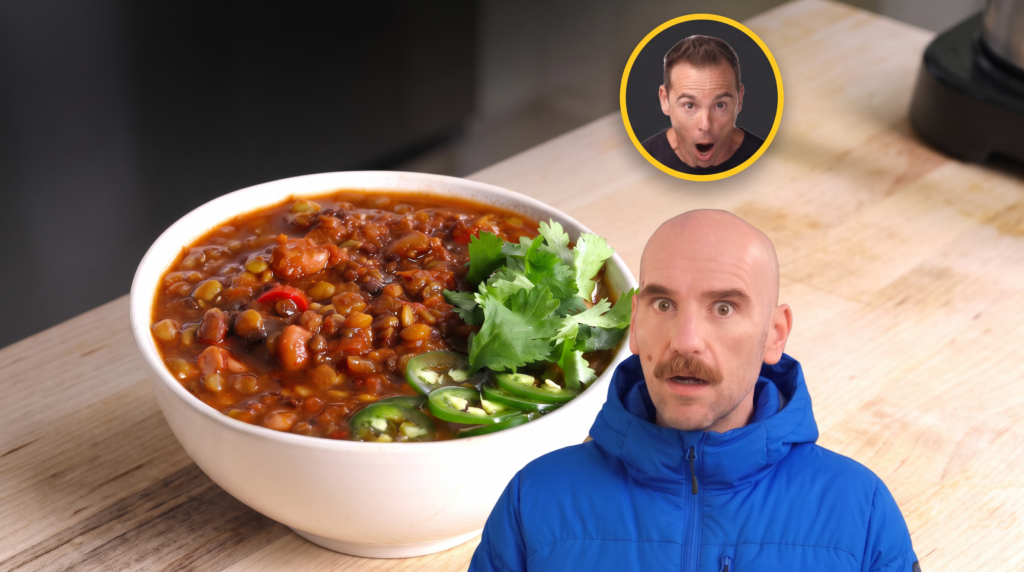
The foundation of Stache’s winter chili relies heavily on a diverse mix of legumes, specifically highlighting three distinct types of lentils alongside traditional beans. In his demonstration, he showcases black lentils and red lentils, utilizing half a cup of each to build a complex texture and a rich, earthy flavor profile. Because commercial pre-made stocks and canned ingredients can harbor significant amounts of hidden sodium—with typical vegetable broths carrying around 500 milligrams of sodium per cup—Stache emphasizes the importance of reading labels carefully. Utilizing low-sodium broths and thoroughly rinsing canned beans can drastically reduce the overall sodium content, making the meal significantly more heart-healthy and nutritionally balanced.
How It Comes Together in One Skillet
Designed for maximum convenience and minimal cleanup, the recipe is engineered to come together quickly in a single heavy-bottomed skillet or Dutch oven. Stache emphasizes the simplicity of the preparation process, noting that the entire meal can be executed without requiring complex culinary techniques or an extensive assortment of cookware. By using a modest amount of vegetable broth as the cooking liquid rather than relying on heavy fats or oils, the recipe keeps overall calorie counts remarkably low while allowing the natural flavors of the vegetables, spices, and legumes to shine through.
Timing plays a crucial role in the preparation, particularly when it comes to incorporating different types of beans. Stache specifically warns that adding canned pinto beans too early in the cooking process will cause them to break down completely and turn to mush, detracting from the dish’s texture. Consequently, the recipe dictates that tender ingredients like pinto beans should be folded in near the very end of the cooking cycle to preserve their integrity and mouthfeel.
Why This Chili Keeps Hunger Quiet
The physiological mechanisms behind why this specific chili is so effective at controlling appetite involve a combination of blood sugar stabilization, micronutrient density, and gut health support. Lentils are well-documented low-glycemic foods, with Stache placing them comfortably within a glycemic index range of 22 to 32. Foods that sit low on this index digest slowly, preventing the sharp insulin spikes and subsequent energy crashes that often trigger intense cravings for sugary or high-carbohydrate snacks later in the day.
Maintaining a flat insulin curve helps keep energy levels steady throughout active afternoons, a benefit that active individuals and runners like Stache find particularly valuable. However, nutrition experts consistently remind consumers that no single food possesses the magical ability to melt fat independently; meaningful fat loss ultimately hinges on maintaining a sustainable overall calorie deficit. This chili facilitates that deficit by offering a remarkably large, physically satisfying portion for a controlled caloric investment of 560 calories per bowl.
Beyond macronutrients, the dish provides significant amounts of essential micronutrients such as iron and folate, both of which are critical for endurance athletes and active individuals. While plant-based iron is traditionally less bioavailable than the iron found in meat sources, the inclusion of vitamin C-rich ingredients like tomatoes and red bell peppers within the chili significantly enhances iron absorption in the digestive tract.
Furthermore, the high concentration of resistant starches and soluble fibers found in the mixed lentils and beans serves as an ideal fuel source for beneficial gut bacteria. When gut microbes ferment these specialized fibers, they produce short-chain fatty acids, which in turn stimulate the natural release of satiety hormones within the digestive tract. While Stache playfully compares this natural biological signaling mechanism to modern pharmaceutical options like GLP-1 medications, he rightly clarifies that the effect is on a much smaller scale. Rather than acting as a powerful drug-like appetite suppressant, the dietary fiber in the chili serves as a helpful, natural assist in keeping prolonged hunger at quiet levels.
Toppings, Tweaks, and Meal Prep
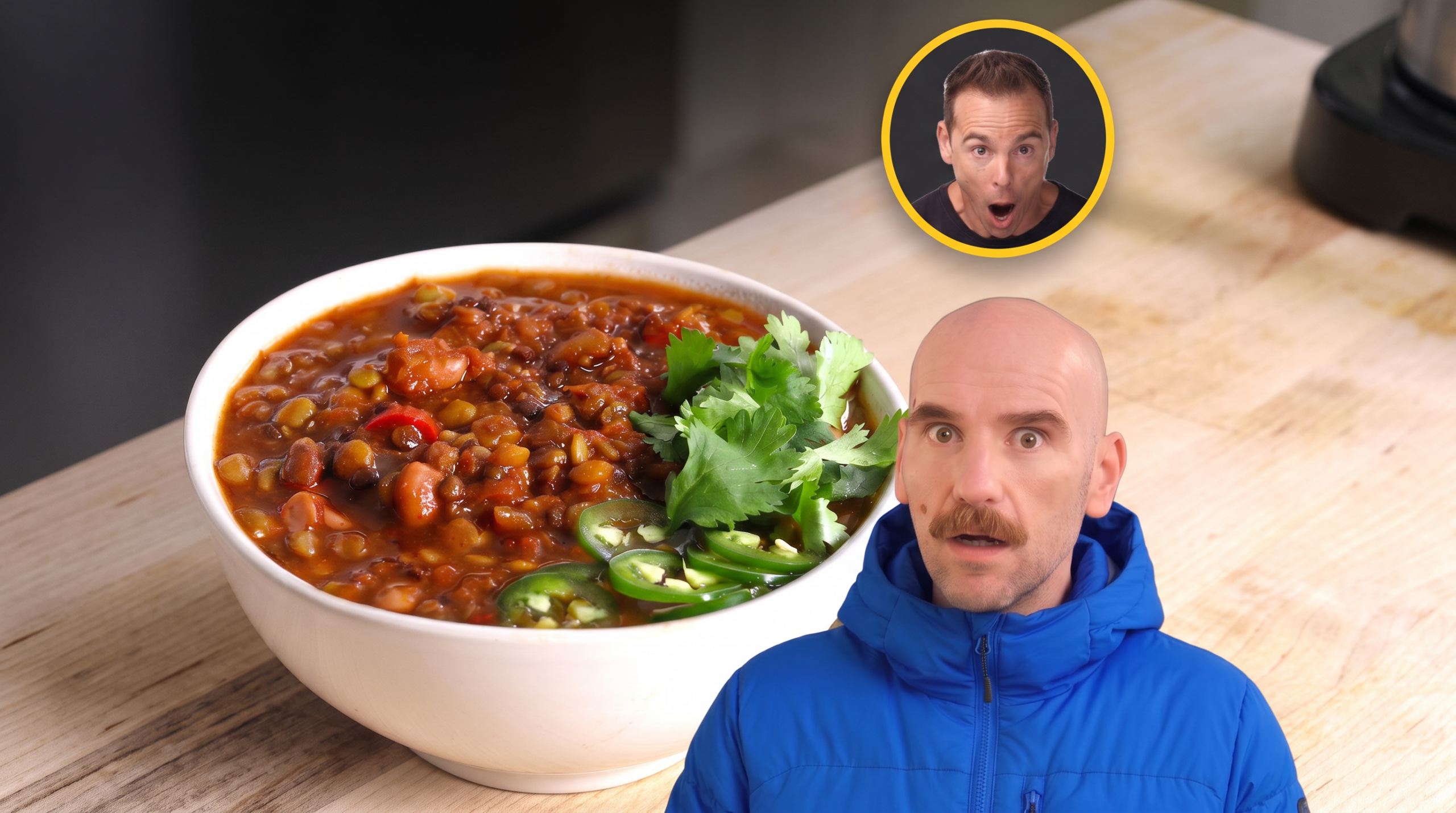
Versatility remains one of the primary advantages of the recipe. Stache encourages home cooks to customize their bowls according to personal preferences, noting that while he enjoys his chili with a sharp, vibrant kick from thin slices of fresh jalapeño and chopped cilantro, the base recipe leaves ample room for individual creativity. Whether cooks choose to introduce additional vegetables, adjust the spice levels, or keep the ingredient list strictly traditional, the core structure of the dish remains exceptionally forgiving.
Yielding six generous servings from a single cooking session, the recipe is ideally suited for weekly meal preparation. Portioning the chili into individual airtight containers allows busy individuals to secure a full week of wholesome, nutrient-dense lunches with minimal daily effort. The prepared meals can be easily stored in the refrigerator for immediate consumption throughout the workweek, or safely frozen for long-term storage and enjoyment later in the season.
Concluding his presentation on a collaborative note, Stache invited his audience members to share their own favorite cold-weather comfort foods and culinary adaptations, emphasizing that while he prefers to keep his own winter nutrition strategy straightforward and uncomplicated, the culinary community offers an endless array of possibilities for staying healthy and satisfied during the coldest months of the year.