

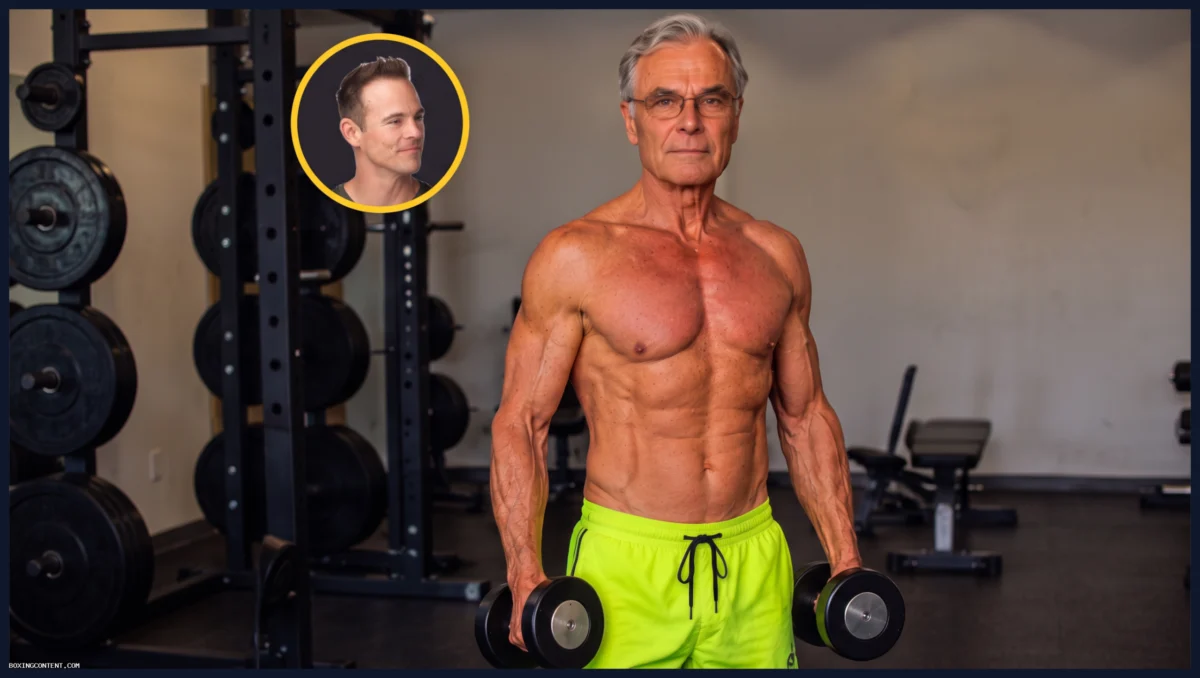
In a viral YouTube video that has captured the attention of fitness enthusiasts and medical professionals alike, 81-year-old Alain Gustave appears roughly 30 years younger than his birth certificate indicates. At an age when many individuals have long since resigned themselves to a sedentary lifestyle, Gustave is captured executing rigorous pull-ups, lifting weights, navigating rugged mountain trails, maintaining intense winter workouts, and participating in icy dips. On the surface, his daily regime sounds exceptionally extreme, bordering on the unattainable for the average person.
Yet, as viewers delve past the sensational visuals, the core message of the video turns out to be surprisingly down-to-earth and pragmatic. Rather than promoting a miraculous fountain of youth, the footage sparks a broader conversation about what truly keeps an aging body strong, mobile, and fiercely independent. While certain aspects of Gustave’s extreme routine certainly warrant a healthy dose of skepticism, the fundamental philosophy driving his daily life offers valuable insights into longevity that extend far beyond flashy social media stunts.
Movement, Not Magic, Is the Real Story
Forget the modern obsession with eternal youth and pharmaceutical anti-aging hacks. The narrator of the viral video firmly rejects that misleading framing outright, explicitly characterizing Gustave’s remarkable physical condition not as a magical recipe that will yield identical results for everyone, but rather as a testament to lifelong persistence.
At its core, Gustave’s story presents an inspiring example of an individual who simply refused to let advancing age become an excuse or a reason to give up on physical movement. There is no single, hidden secret exercise responsible for his vitality. Instead, his physical presentation is the cumulative result of a balanced combination of habits built over decades: consistent strength work, regular exposure to the outdoors, year-round physical consistency, professional coaching, and simple daily walks.
Strength Training: The Anchor Habit
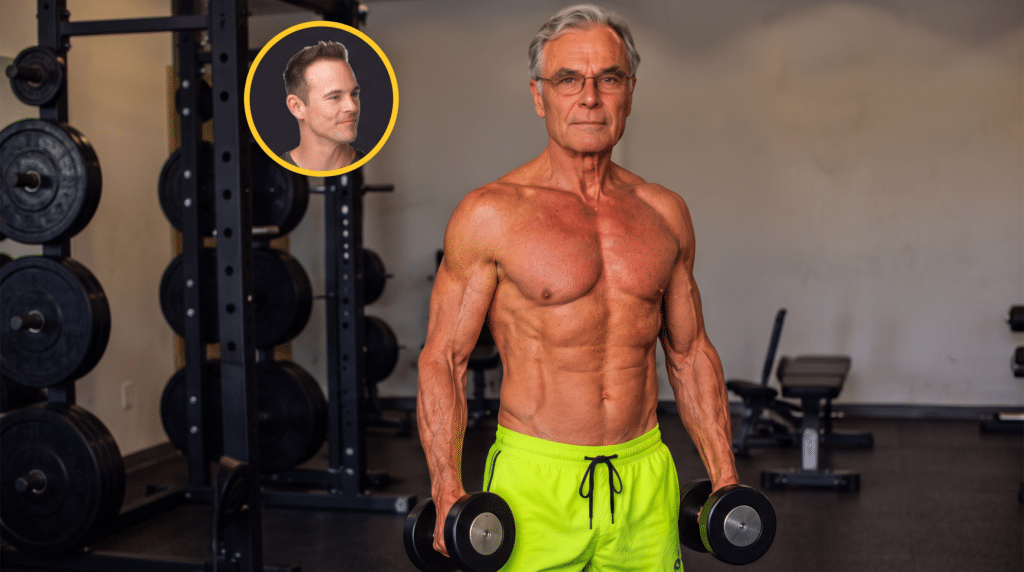
Central to Gustave’s regimen is a commitment to structured resistance training. He trains regularly in a traditional gym environment under the watchful eye of a professional coach, while also incorporating simple, versatile tools into his routine to maintain functional fitness.
Why this specific pillar matters so profoundly after the age of 80 is rooted in human biology. As people age, the body naturally experiences a gradual loss of muscle mass and functional strength, a clinical process known as sarcopenia. Left unchecked, this decline can severely compromise mobility and independence. However, scientific evidence consistently demonstrates that muscles do not inevitably vanish into thin air, and targeted lifting can effectively push back against this physiological decline.
Regular strength exercises help slow down the inevitable loss of muscle capacity, directly preserving an older adult’s ability to perform everyday activities independently. The real-life payoffs of maintaining muscular strength in later life extend far beyond mere physical appearance. Enhanced strength translates directly to improved functional capacity, reduced risk of debilitating falls, greater confidence in navigating public spaces, and an overall higher quality of life.
However, experts emphasize that aggressive lifting is not the primary objective. Rather, it is the regularity of the practice and the gradual, intelligent increase in physical load that truly matter over the long term.
Why Working With a Coach Counts
A critical component of Gustave’s physical success lies in his decision to lean heavily on professional guidance. According to the insights shared in the video, working alongside an experienced coach pays critical dividends for older adults embarking on fitness journeys.
An external perspective helps individuals notice subtle technique errors before they lead to injury, select the appropriate resistance load for their current capacity, and thoughtfully adapt exercises to match an individual’s unique physical capabilities. Smart, sustainable fitness programs for older adults seamlessly mix multiple physical qualities, including baseline strength, joint mobility, physical coordination, and core stability. Regular walking, moderate aerobic activity, and targeted balance drills effectively round out traditional lifting sessions, ensuring that cardiovascular health and neuromuscular control keep pace with muscular development.
Outdoor Training Turns Exercise Into Lifestyle
While Gustave does utilize home facilities, a significant portion of his training takes place out in the natural environment of the mountains. By integrating physical exertion into the natural landscape, exercise ceases to be a rigid calendar event and instead seamlessly transforms into an organic part of daily life.
Walking across varied terrain, climbing inclines, shifting pacing, and navigating uneven ground deliver a naturally diversified physical load to the body. Major muscle groups in the legs and core are constantly engaged, balance sharpens in response to unpredictable surfaces, and the cardiovascular system adapts dynamically to changing elevations. Furthermore, spending time outdoors in natural daylight provides valuable psychological and physiological benefits, including enhanced mood and improved sleep quality, as natural sunlight plays a critical role in setting circadian rhythms—the body’s internal biological clock.
However, medical professionals are quick to note an important caveat: the sun is not an anti-aging drug. Excessive exposure to ultraviolet radiation inevitably damages the skin and significantly raises the long-term risk of skin cancer. Sensible outdoor activity requires appropriate protection, including sun-protective clothing, targeted shade-seeking, and the measured use of sunscreen. While vitamin D derived from safe sun exposure naturally supports bones and muscles, decisions regarding vitamin supplementation are best made in consultation with a physician rather than being dictated by the aesthetic appearance of a tan.
Winter Workouts: Consistency Meets Common Sense
Gustave famously maintains his active lifestyle even when winter temperatures plummet and environmental conditions turn harsh. Human physiology responds much more favorably to regular, sustained physical activity than it does to sporadic bursts of intense exercise appearing intermittently over the course of the year.
Maintaining the habit of taking cool-weather walks ensures that the vital routine of leaving the house remains intact, provided that environmental conditions are deemed safe and appropriate winter clothing is utilized. Nevertheless, severe winter weather still demands profound respect. Icy pavements, freezing temperatures, and high winds introduce genuine hazards, particularly for older adults where a single slip can result in catastrophic injury. On days when weather conditions deteriorate, shifting physical activity indoors or opting for a calm, protected indoor stroll represents the wiser, safer course of action.
Cold Water Immersion: Big Promises, No Proof
Among the more extreme elements of Gustave’s publicized routine are his regular plunges into frigid natural bodies of water. Such dramatic cold-water dips undoubtedly look like ultimate tests of human willpower and are frequently marketed across modern wellness circles as powerful tools for cellular rejuvenation and systemic invigoration.
Despite their popularity in digital media, medical experts urge substantial caution regarding these practices. Short-term exposure to extreme cold triggers an immediate, sharp physiological reaction: breathing quickens dramatically, blood vessel function shifts rapidly to preserve core temperature, and the overall cardiovascular load climbs steeply. While many practitioners report feeling an acute sense of psychological alertness or invigoration following a cold plunge, there is currently no robust scientific proof demonstrating that cold water immersion actively slows down the biological aging process or prolongs human life.
Consequently, cold plunges are best viewed as a matter of personal preference and mental challenge rather than a validated longevity strategy. Individuals with underlying cardiovascular concerns or pre-existing heart conditions must consult a qualified physician before ever attempting sudden cold-water immersion.
Two Dogs and the Power of Hidden Movement
An unsung hero in Gustave’s daily routine is his companionship with two dogs, whose care and daily exercise requirements punctuate his schedule. While pet ownership can never serve as a direct substitute for a structured training program, animals provide a powerful, unwavering source of external motivation to head outside regardless of weather or personal fatigue.
This dynamic highlights a crucial truth about human movement: physical activity is successfully spread across the entire day, effectively interrupting long, stagnant stretches of sitting. A single hour spent in the gym does not define an individual’s overall metabolic health. Instead, what truly counts is the total accumulation of low-intensity movement integrated between formal workouts through daily chores, walking pets, and routine household tasks.
Why Appearance Is a Poor Scoreboard
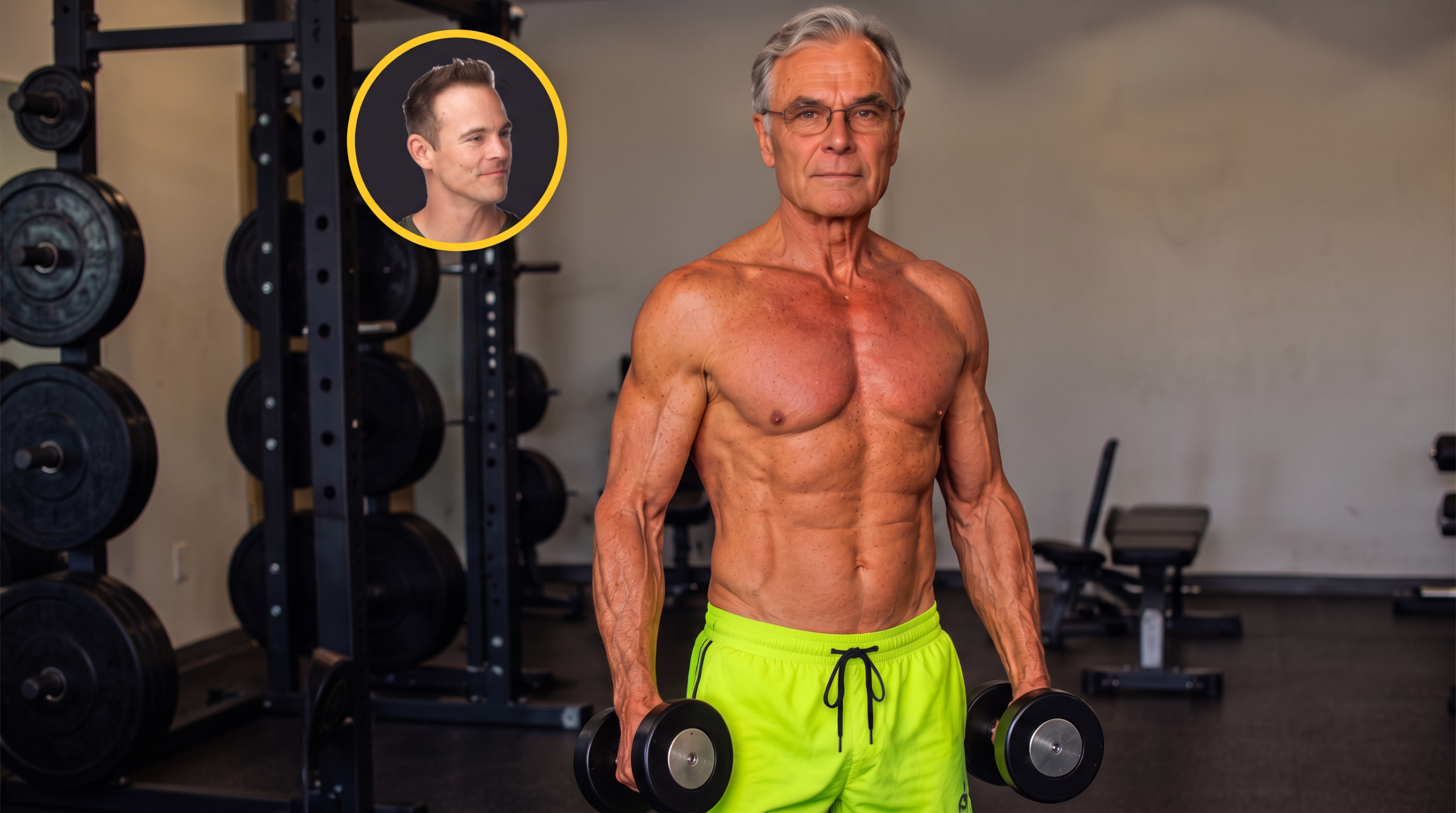
The most striking element of Gustave’s public profile remains his exceptionally youthful physical appearance at age 81. However, dermatological and aesthetic appearance tells only a narrow fraction of a much larger physiological story.
Physical appearance alone does not allow medical professionals to accurately assess the internal condition of vital organs, nor does a single isolated anecdotal example prove that any one specific lifestyle habit was the exclusive cause of an unusual outward appearance. Genetics, pre-existing health baselines, nutritional quality, sleep architecture, chronic stress levels, and socio-economic environment all profoundly shape the human aging process. More reliable yardsticks for assessing health span and vitality exist beyond superficial photographs, including functional mobility tests, cardiovascular endurance metrics, and metabolic blood panels.
Practical Takeaways You Can Use Now
For those inspired by Gustave’s journey, the path forward does not require emulating extreme winter mountaineering or icy river swims. The foundational principles are remarkably accessible: maintaining regular resistance training to protect muscle mass, integrating safe daily walks into a consistent routine, prioritizing proper nutrition and restorative sleep, and working alongside healthcare and fitness professionals to tailor physical loads to individual capacities.
Crucially, individuals should stop exercising immediately if they experience unusual shortness of breath, chest pain, dizziness, or sharp physical discomfort, and seek immediate medical evaluation. Ultimately, the true lesson of Alain Gustave’s remarkable routine is not about attempting to reverse the passage of time. Instead, it is about proactively protecting physical strength, metabolic endurance, bodily coordination, and personal independence, one repeatable day at a time.