


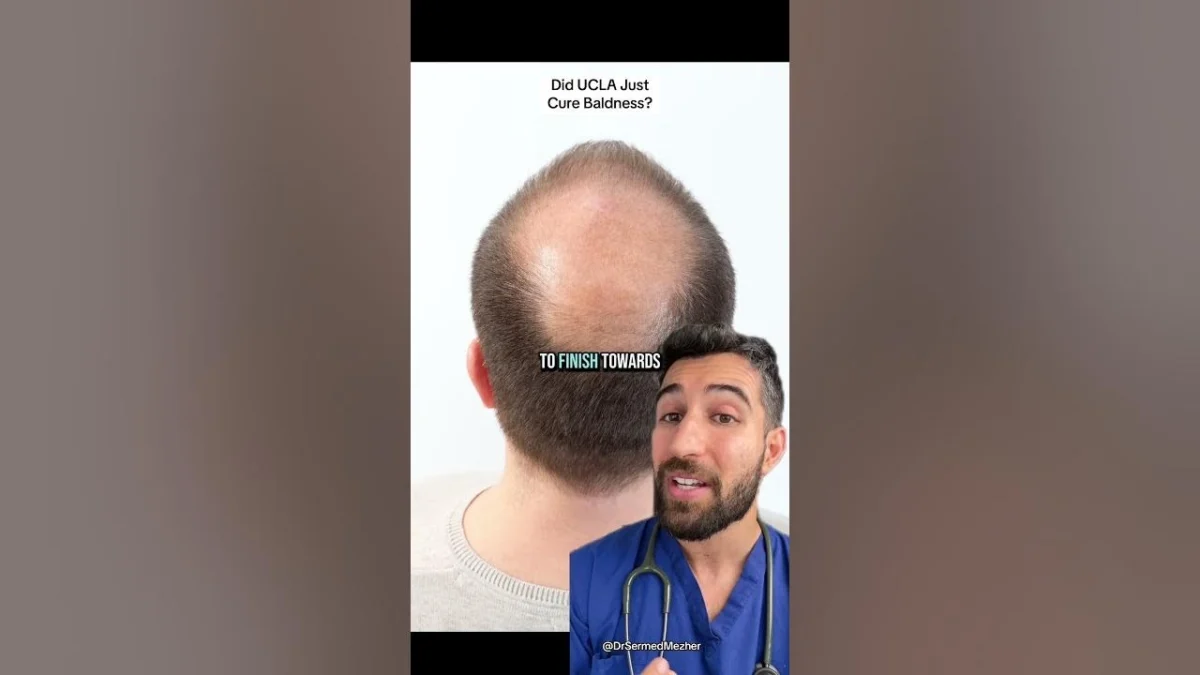
A groundbreaking discovery emerging from laboratories at the University of California, Los Angeles (UCLA) is turning heads across the scientific and medical communities, offering a potential paradigm shift in the treatment of hair loss. According to recent breakdowns by health commentators analyzing the experimental compound, this novel molecule could represent the most significant shake-up in baldness therapeutics seen in decades. Backed by a substantial financial injection of more than $16 million from Google Ventures, the project is moving swiftly through developmental milestones, forcing researchers to rethink the very biological mechanics of how and why hair thins over time.
For generations, individuals struggling with hair loss have been told that thinning strands and receding hairlines are the inevitable result of dying hair roots. However, the latest findings from UCLA suggest that your follicles may not be dead at all—instead, they may simply be asleep.
At the center of this scientific excitement is a newly identified molecular switch located inside human hair follicles. Researchers discovered that while this internal mechanism powers down as people age, the physical structure of the follicle remains entirely intact. They do not disintegrate or vanish; rather, they simply stop firing. This vital distinction reframes the medical understanding of baldness. Instead of viewing hair loss as a permanent structural loss of tissue, scientists are beginning to categorize thinning as a dormancy problem. And unlike permanent tissue loss, dormancy can potentially be reversed.
To tackle this problem, researchers engineered a specialized experimental compound known as PP405. This novel molecule is designed to act as a key, flipping stem cell growth back on inside those sleeping follicles to jump-start the regeneration process.
The introduction of PP405 stands apart from existing treatments because it relies on a completely new biological mechanism. For decades, individuals experiencing hair loss have had to choose between a very limited selection of approved therapeutic options, such as minoxidil and finasteride, which operate on entirely different physiological pathways. Medical historians and dermatologists note that the pharmaceutical landscape surrounding hair loss has experienced very little foundational innovation since those older medications were introduced, leaving millions of men and women waiting for a genuine breakthrough.
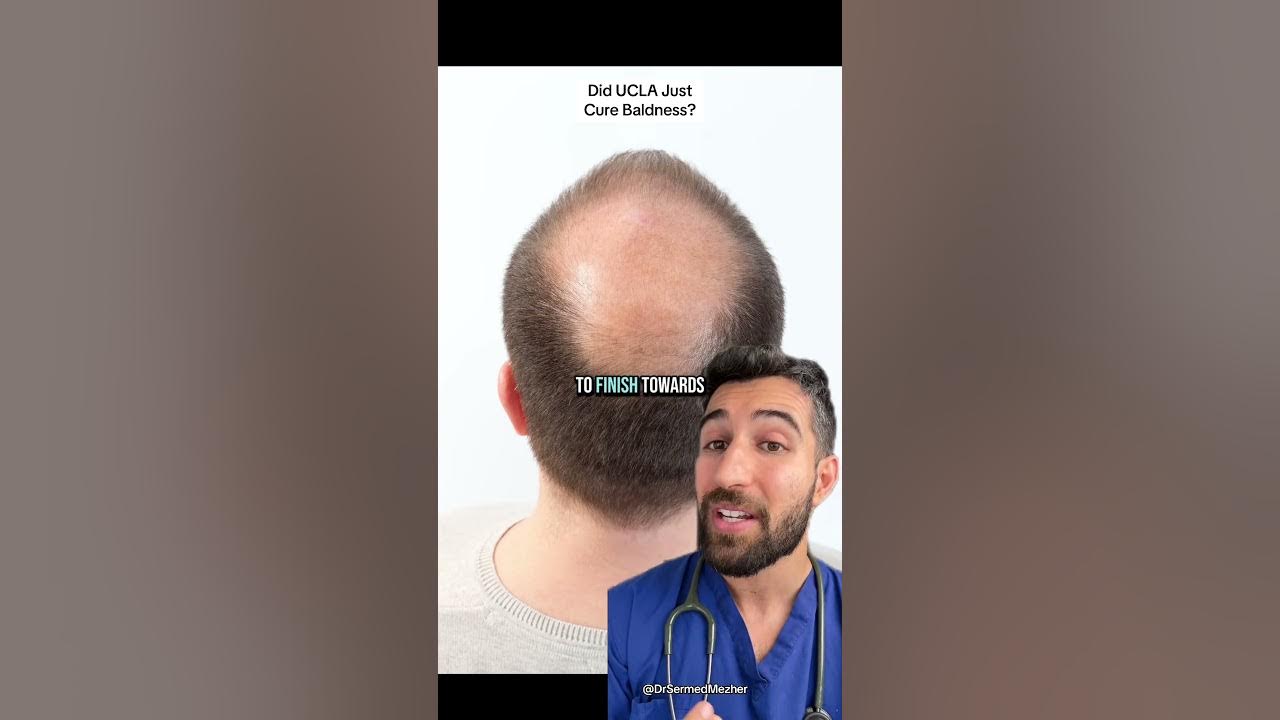
The momentum behind PP405 is not merely academic. The promising data yielded during initial phase 1 investigations caught the attention of major investors, leading to the infusion of more than $16 million in backing from Google Ventures. This critical capital has been channeled directly into funding phase 2 studies, which are anticipated to wrap up toward the end of 2025.
Despite the palpable excitement surrounding the project, medical experts emphasize the importance of maintaining a realistic perspective on early-stage clinical trials. Phase 1 research is primarily designed to evaluate safety profiles, drug tolerance, and potential adverse effects in humans, rather than to measure whether a compound can successfully regrow a full head of hair. It is during phase 2 trials that the first serious efficacy signals typically emerge. Because many promising pharmaceutical compounds stumble or fail to demonstrate meaningful results during this crucial stage, researchers urge patience from the public while the clinical data matures. Furthermore, independent reviewers note that full comprehensive trial data has not yet been publicly released for open academic scrutiny, meaning that current headline claims should be viewed as deeply encouraging rather than definitively proven.
One of the most frequently discussed advantages of PP405, as highlighted by researchers in recent project summaries, centers on its unique safety profile and minimal systemic absorption. Systemic absorption refers to the process by which a medication enters the human bloodstream and circulates throughout the entire body. Compounds with high systemic absorption often carry a broader array of potential side effects because they interact with tissues far beyond the targeted treatment area.
In contrast, early assessments suggest that PP405 exhibits minimal to zero systemic absorption when applied locally. This factor has been highlighted as particularly reassuring by medical professionals who note that existing oral treatments, such as finasteride, carry certain systemic warnings, including potential risks associated with male fetal development during pregnancy. Nevertheless, clinical pharmacologists caution that terms like "minimal to zero" must be validated through larger, longer-term trials involving diverse patient demographics to ensure that this favorable safety profile remains consistent across a broader population.
While the scientific community waits for phase 2 trials to conclude, individuals dealing with hair loss are left to navigate their current options alongside their dermatologists. The emergence of PP405 highlights a refreshing shift in scientific direction—moving away from merely slowing down the rate of hair fall and toward the active reactivation of dormant biological structures. As funding momentum continues and the late-2025 trial deadlines approach, the medical world watches closely to see whether clinical reality will ultimately match the heavy biological hype surrounding UCLA’s novel molecule.