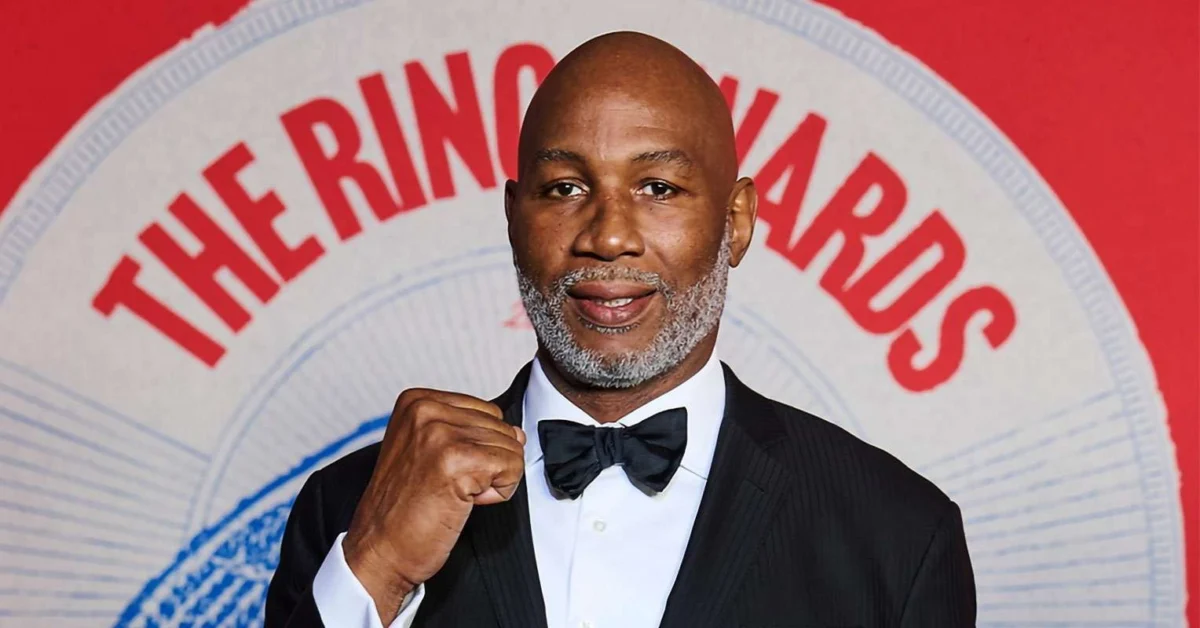
Former undisputed heavyweight champion Lennox Lewis has issued a public and passionate plea to Deontay Wilder, urging the American knockout artist to hang up his gloves and walk away from the sport of professional boxing before he sustains any more lasting physical harm.
Lewis, a British-Canadian boxing icon whose illustrious career cemented his legacy as one of the greatest heavyweights in history, took to social media to share his concerns regarding the future of the long-reigning former WBC titleholder. Following a difficult stretch of fights that has seen the 39-year-old from Alabama endure punishing setbacks inside the ring, Lewis believes that the time has come for Wilder to prioritize his long-term health and well-being over the pursuit of further glory.
The cautionary advice from Lewis comes as part of a broader conversation within the boxing community about fighter longevity, the brutal realities of the heavyweight division, and the difficult choice that every aging champion eventually faces: knowing when enough is enough.
Reflecting on his own storied journey through the sport, Lewis understands better than most the physical and mental tolls that elite-level prizefighting exacts on an athlete. Lewis enjoyed an incredible professional career that was built upon a foundation of amateur excellence, most notably capturing the coveted Olympic Gold Medal at the 1988 Summer Games held in Seoul, South Korea, where he competed representing Canada.
Following his success on the international amateur stage, Lewis transitioned to the professional ranks in the summer of 1989. He wasted very little time making a significant name for himself in the talent-rich heavyweight division, showcasing a devastating blend of technical skill, ring intelligence, and concussive punching power. His rapid ascent culminated in 1992 when he was declared the world heavyweight champion by the World Boxing Council (WBC). During his initial reign, Lewis successfully defended his crown on multiple occasions against top-tier contenders before suffering a shocking upset defeat at the hands of hard-hitting American challenger Oliver McCall.
Rather than letting the setback define his career, Lewis demonstrated immense resilience by working his way back to championship contention. In February 1997, he successfully avenged his previous loss to McCall in a dramatic rematch, picking up the vacant WBC title in the process and reclaiming his spot at the summit of the division. A couple of years later, Lewis added the crowning achievement to his professional legacy when he defeated fellow legend Evander Holyfield in a high-stakes unification showdown, capturing the undisputed world heavyweight championship in what is widely regarded as the finest victory of his legendary career.
Because of his own experiences navigating the treacherous waters of championship boxing—knowing the triumphs of unification as well as the bitter pill of defeat—Lewis brings a unique perspective to the ongoing discourse surrounding Deontay Wilder’s future in the sport.
Taking to his official profile on the social media platform X, formerly known as Twitter, Lewis delivered a stern and heartfelt message directly addressing Wilder’s current career crossroads. Following a string of difficult losses that have forced many pundits and fans to question the future trajectory of "The Bronze Bomber," Lewis reminded the public of statements Wilder himself had made prior to stepping into the ring for his recent high-profile bouts.
Highlighting the importance of perspective outside of the squared circle, Lewis wrote on X: "Deontay Wilder told us before the fight that he would retire if he didn’t win. I think that’s a wise decision. He’s more than carved out a life in which he can take care of his daughter, so before he suffers any more damage, it’s best to leave the game with your faculties intact because there’s a LOT more life to live after boxing."
The warning from Lewis underscores a recurring and vital theme in combat sports: the physical price paid by athletes who stay in the game past their athletic prime. For years, Deontay Wilder captivated global audiences with his extraordinary, one-punch knockout power, a weapon that carried him through an undefeated streak and a historic defense campaign as the WBC heavyweight champion. His highlight-reel knockouts made him one of the most feared and marketable figures in the sport, drawing massive pay-per-view audiences and securing his financial future.
However, the heavyweight division is notoriously unforgiving, and recent outings have exposed the physical wear and tear on Wilder’s body. The hard-hitting slugger has faced severe tests against elite opposition, leading to a succession of damaging defeats that have prompted calls from analysts, former fighters, and concerned observers for him to walk away while he is still healthy.
Despite the mounting calls for his retirement, Wilder has continued to display the fierce competitive spirit and unwavering resolve that defined his rise to the top of the sport. Refusing to let his storied career end on a downward note, the resilient contender has mapped out a path forward to lace up his gloves once again.
Wilder is slated to make his much-anticipated return to the professional boxing ring in June, where he is scheduled to square off against Tyrrell Herndon in an upcoming bout set to take place in Wichita, Kansas. The matchup represents a critical juncture for the former champion, offering him an opportunity to reset, rebuild, and prove that he still possesses the skills and power that once made him the most avoided man in the heavyweight division.
For Wilder, the upcoming clash in Wichita serves as a major test of his resolve. "The Bronze Bomber" has been absent from competitive action since suffering a crushing knockout defeat at the hands of Zhilei "Big Bang" Zhang last June. That devastating loss raised serious questions regarding his durability and future prospects among elite heavyweights, yet the 39-year-old remains undeterred in his ambition. Wilder has made it clear that he intends to fight on, holding onto the ultimate aspiration of making one final, determined run at reclaiming a world heavyweight championship before he ultimately decides to call time on his career.
As fight night approaches and the boxing world watches closely to see what version of Deontay Wilder steps through the ropes in Wichita, the wisdom shared by veterans like Lennox Lewis serves as a poignant reminder of the stakes involved. While the allure of championship gold and the competitive fire that burns within elite athletes can often override concerns for physical safety, voices from boxing royalty continue to emphasize that the most important victory a fighter can achieve is walking away from the sport with their health, memories, and faculties intact for the many years of life that wait beyond the final bell.