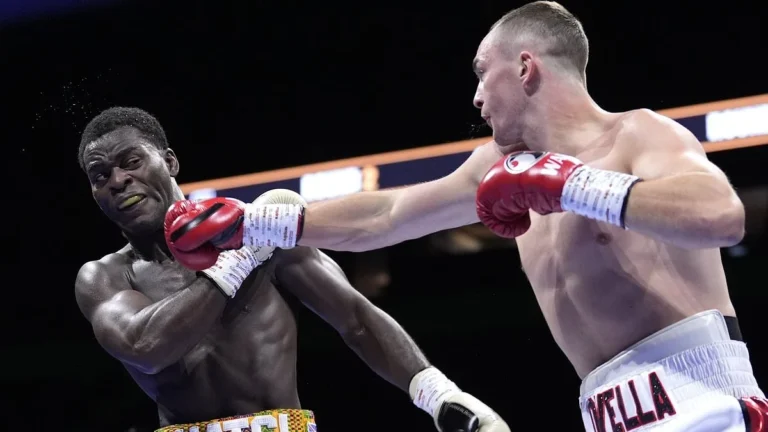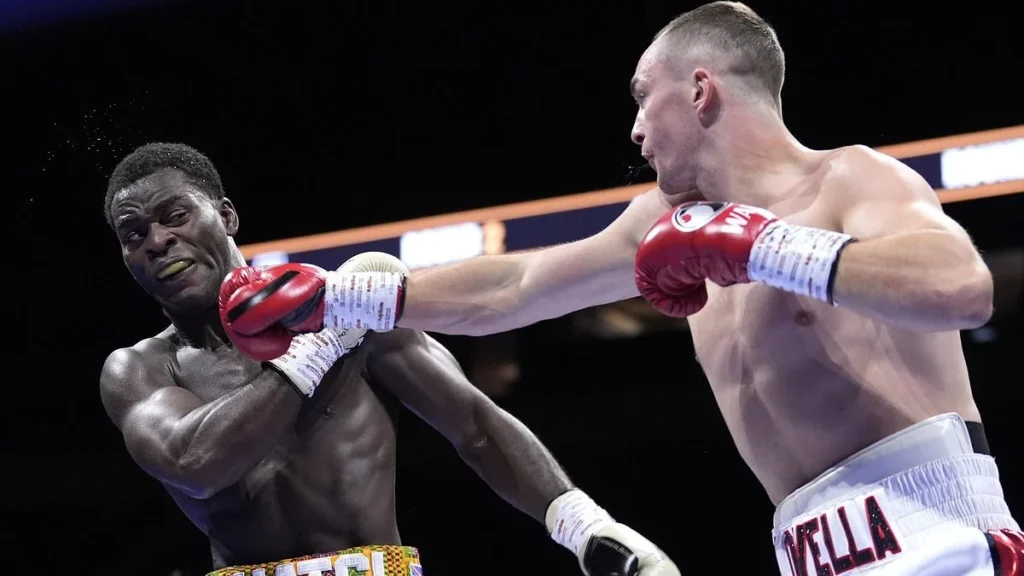


For generations, the appeal of combat sports lay in the primal simplicity of two individuals stepping into a ring or a cage to settle matters under the bright lights. Yet, for millions of modern fans around the globe, fight night has long transcended the mere physical clash of a main event. Whether tuning into a blockbuster Ultimate Fighting Championship (UFC) pay-per-view, a championship boxing match, or an international ONE Championship card, followers are increasingly engaging in a multi-layered evening of entertainment. Spanning several hours from the opening preliminary bouts to the final post-fight interviews, the modern combat sports experience now routinely plays out across multiple devices. As fans sit down for a major card, a second screen is rarely far away—serving as a portal to track shifting odds, place strategic wagers, and fill the inevitable downtime between bouts with live casino gaming.
This convergence of live sports broadcasting, real-time analytics, and digital gaming has fundamentally altered how audiences consume combat sports. As betting and digital entertainment apps weave themselves deeper into the fabric of the sport, understanding their role—and knowing how to keep them in proper proportion—has become an essential part of the modern fan’s routine.
Fight Night as an Extended Event
A major combat sports card is a marathon rather than a sprint. Spanning anywhere from five to six hours from the very first preliminary fight to the walkouts of the main event, these events demand a unique style of viewership. Unlike traditional team sports where the action unfolds continuously on a single field, combat sports feature natural lulls, intermissions, and extended gaps between matches as referees check equipment, judges tally scores, and production crews prepare the canvas.
Few spectators remain completely glued to every single second of a five-hour broadcast. Instead, the typical fan dips in and out of the live feed, engaging in group chats, scrolling through social media platforms, analyzing advanced statistics, and following real-time data between rounds. This distinctive rhythm has made combat sports an extraordinarily natural fit for second-screen activity. While the action pauses, the digital engagement continues, turning a passive viewing experience into an interactive evening of entertainment.
Why Combat Sports and Betting Overlap
The natural synergy between combat sports and wagering markets is rooted in the structure of the competition itself. Unlike team sports that involve dozens of players, highly complex playbooks, and fluid scoring systems, a combat sports match features a remarkably clear framework. With a limited number of possible outcomes and an immense array of measurable variables, fights offer a fertile ground for fans who love to dive deep into statistical analysis and stylistic matchups.
Wagering options have evolved far beyond simple predictions of who will win a bout. Popular markets now span a wide spectrum of possibilities, allowing fans to wager on the exact method of victory—whether by knockout, technical knockout, submission, or a judges’ decision—as well as the precise round in which the fight will end, or whether the contest will go the distance. For dedicated followers who spend weeks studying fighter stances, historical records, training camp footage, and historical striking efficiencies, these nuanced markets often feel like a direct extension of analyzing the technical aspects of the fight itself. The betting slip becomes another lens through which to interpret the athletic contest unfolding on the screen.
Live Betting During the Fight
Perhaps the fastest-growing segment of sports wagering is live, or in-play, betting. In the fast-paced environment of combat sports, odds can shift dramatically from one round to the next in response to a single decisive moment. A single flush combination, a damaging low kick that compromises a fighter’s mobility, or a successful takedown and scramble can instantly flip the momentum of a contest—and the sentiment of the oddsmakers.
Fans who watch the action closely often track how live markets react in real time, using rapid price movements as an immediate, quantifiable read on how the judges and oddsmakers perceive the momentum of the bout. However, the relentless pace of live markets also introduces a distinct element of caution. Decisions that are made in a matter of seconds, fueled by the adrenaline and high emotions of a heat-of-the-moment exchange in the ring, are frequently accompanied by second thoughts once the final bell rings.
The Live Casino Crossover
Beyond sports wagers, the natural downtime found throughout a lengthy fight card has created space for other forms of digital entertainment, most notably live casino apps. During the elongated gaps between preliminary matches, the prolonged walkouts characteristic of modern championship fights, or the lengthy wait before the main event begins, a segment of the audience turns to real-time streamed entertainment. Live dealer games such as blackjack, roulette, and baccarat have found a steady audience during these intermissions, mirroring a broader pattern visible across the entire live sports landscape where digital platforms fill the empty spaces between key competitive moments.
This phenomenon extends to a truly global audience, reflecting the borderless nature of modern combat sports fandom. International viewers frequently seek out localized digital platforms and guides tailored to their native languages to navigate these hybrid entertainment spaces. Turkish-speaking fans, for instance, routinely search for specialized content in their own language to understand how to access and navigate live casino platforms alongside their sports viewing, illustrating just how seamlessly international audiences blend traditional broadcast viewing with digital gaming apps.
Keeping It Responsible
Because these digital entertainment options are readily accessible at the touch of a screen, maintaining a healthy perspective is paramount. Industry stakeholders, consumer advocates, and regulatory bodies continuously emphasize that betting and casino games should always be treated purely as a form of paid entertainment rather than any reliable source of income. Establishing strict personal boundaries helps ensure that fight night remains an enjoyable pastime rather than a source of stress.
Establishing clear financial limits before an event begins, avoiding the temptation to chase losses following a poorly timed live wager, and recognizing when to step away from the screen are vital habits for responsible engagement. Furthermore, online wagering and digital gaming are strictly intended for adults of legal age. For individuals who find that entertainment is slipping into problematic territory, organizations such as the National Council on Problem Gambling provide vital, free, and confidential support services, including dedicated helplines like 1-800-GAMBLER, ensuring that help is always within reach for those who need guidance.
What It Means for the Sport
The integration of wagering platforms into the combat sports ecosystem has brought profound structural changes to the industry at large. Commercial partnerships with betting operators have become ubiquitous fixtures of modern promotions, visible everywhere from canvas logos and fighter apparel to live odds displays embedded directly into television broadcasts. While this massive influx of corporate sponsorship brings vital financial investment into the sport—supporting fighter purses, promotional infrastructure, and global distribution—it also places an unprecedented level of responsibility on sports promotions, broadcasting networks, and regulatory operators.
Safeguarding the integrity of athletic competition and actively promoting safe, responsible play have thus become non-negotiable priorities for industry leaders seeking to maintain public trust.
The Takeaway
Ultimately, the contemporary fight night extends far beyond the physical boundaries of the cage or the ring. Wagering markets, live odds trackers, and digital gaming apps now sit side-by-side with the live broadcast for a significant portion of the audience, successfully filling the inevitable downtime of long fight cards and adding an extra layer of engagement to how bouts are followed. When kept firmly in proper proportion, these modern digital additions can genuinely enhance the excitement of the evening. Even so, the core appeal remains unchanged: the skill, courage, and athleticism displayed in the fights should always remain the undisputed main event.