

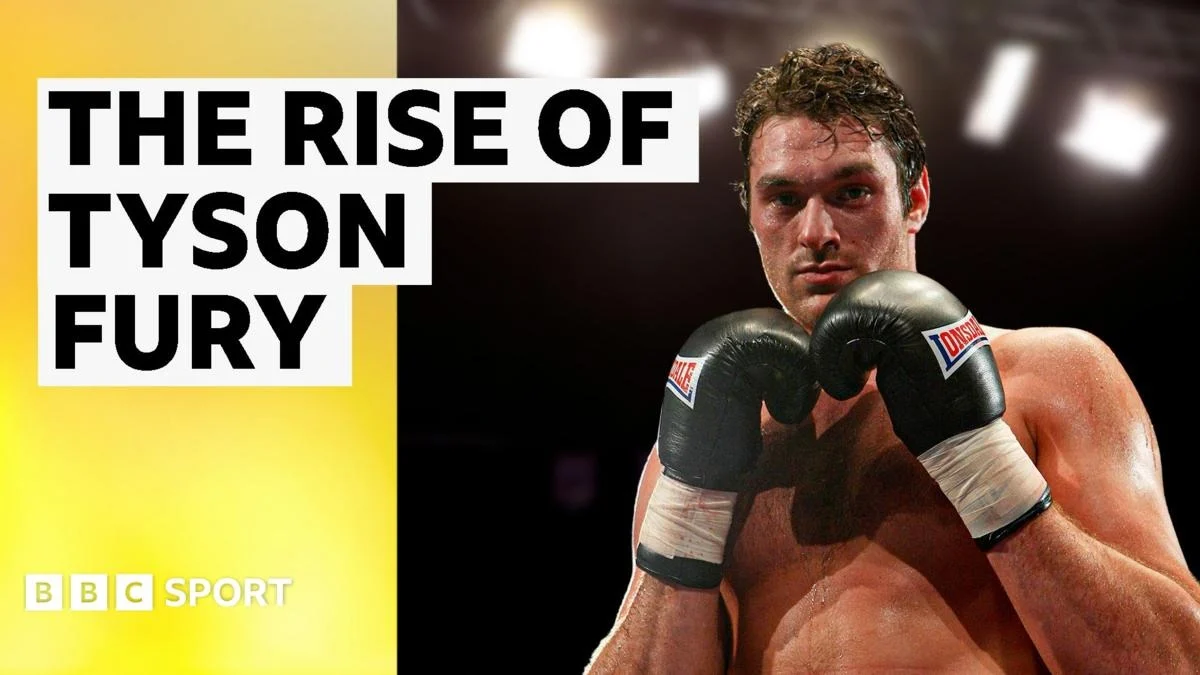
From his unconventional entry into the sport to his deeply public, harrowing battles with mental health, the trajectory of the self-proclaimed "Gypsy King" remains one of the most remarkable and improbable stories in the modern history of pugilism. His path was never paved with conventional amateur accolades or traditional developmental pathways. Instead, it was forged through a unique blend of heritage, raw instinct, and an unshakable belief in his own destiny.
Growing up within the Traveller community, Fury was immersed in a culture where fighting prowess and toughness were valued deeply. Boxing was not merely a hobby or a calculated career choice; it was part of his bloodline. His father, John Fury, a former bare-knuckle fighter and professional boxer, named his son after legendary heavyweight champion Mike Tyson, setting a lofty and demanding expectation for the boy who had already cheated death in an incubator. That familial foundation instilled in Fury a rugged resilience that would later serve him well not only inside the squared circle, but in the darker, more isolating battles he would face away from the sport.
As he transitioned from the amateur ranks to the professional circuit, Fury’s unorthodox style began turning heads. Standing at an imposing six feet nine inches, he possessed a combination of exceptional footwork, incredible hand speed, and a defensive elusiveness that defied conventional logic for a man of his gargantuan proportions. Critics often underestimated him, pointing to his awkward posture, lopping punches, and brash, theatrical persona outside the ring. Yet, fight after fight, opponent after opponent, Fury systematically dismantled those doubts, climbing the rankings through a combination of tactical brilliance and sheer willpower.
The defining athletic peak of his first major era came in Düsseldorf, Germany, in November 2015, when he dethroned long-reigning heavyweight king Wladimir Klitschko. By outboxing and outthinking the Ukrainian veteran in his own backyard, Fury captured the WBA, IBF, WBO, and IBO world titles, sending shockwaves through the global sports landscape. It was the culmination of a lifelong dream, the realization of the prophecy his father had laid out decades prior when looking down at a one-pound infant fighting for his first breath in a hospital bed.
However, the summit of the mountain proved to be a perilous place. The sudden conquest of the heavyweight division triggered a devastating downward spiral for the newly crowned champion. Stripped of his titles due to inactivity, and grappling with a cocktail of severe depression, alcohol abuse, and staggering weight gain that saw him balloon well past four hundred pounds, Fury vanished from the public eye. Boxing, the very vehicle that had carried him to glory, was suddenly gone, replaced by an internal darkness that threatened to consume him entirely.
For a period, it seemed the story of Tyson Fury had reached a tragic, premature end. The man who had conquered Klitschko was seemingly lost to the shadows, weighed down by demons that could not be punched away. Yet, echoing his miraculous survival as a premature newborn, Fury mounted what is widely regarded as one of the most astonishing comebacts in sporting history. Through grueling physical conditioning, intensive mental health struggles addressed in the open light, and an unyielding desire to reclaim what he had lost, he engineered a resurrection that captivated millions.
His return to the ring set up a legendary trilogy with American knockout artist Deontay Wilder, producing some of the most dramatic and unforgettable heavyweight encounters of the modern era. From the controversial draw in their first meeting—where Fury famously rose from the canvas in the final round like a fighter possessed—to his subsequent dominant victories, Fury re-established himself at the absolute pinnacle of the division. Each victory was underscored by his candid, unfiltered discussions regarding his mental health, transforming him from a polarizing sports entertainer into an accidental yet vital advocate for mental health awareness, particularly among men.
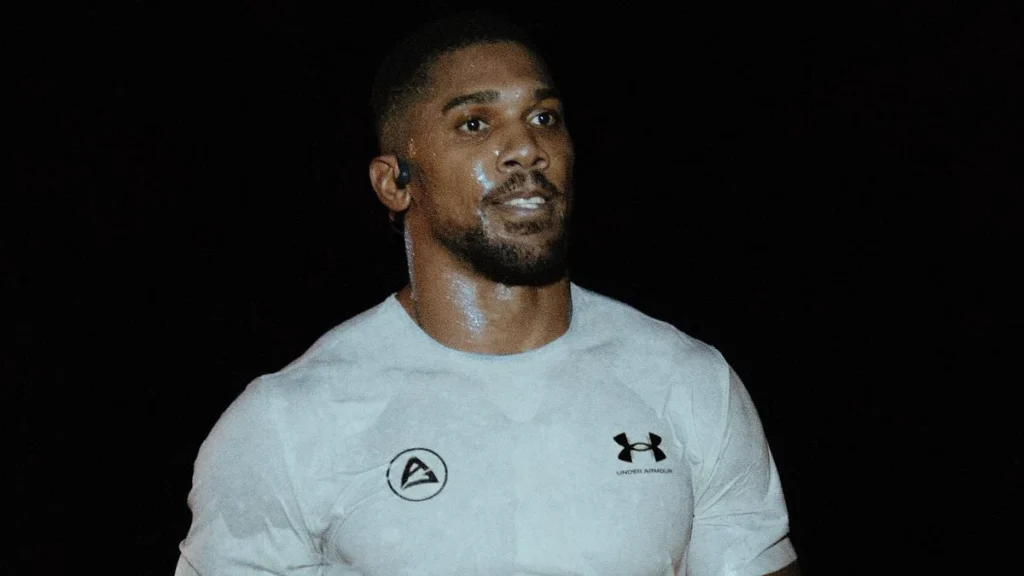
Beyond the ropes, Fury’s journey continues to captivate fans, pundits, and casual observers alike. His ongoing rivalries and potential matchups—such as the deeply anticipated, long-discussed showdowns with fellow British heavyweight star Anthony Joshua—remain a constant source of fascination for the boxing public, symbolizing the enduring allure of heavyweight theater.
For those wishing to delve deeper into the narrative arcs, psychological battles, and sporting legacy of these modern gladiators, comprehensive coverage and historical insight remain readily accessible across digital platforms. Audiences can watch Rivals: Fury v Joshua on BBC iPlayer for an in-depth visual examination of the historical buildup and competitive tension between Britain’s premier heavyweights. Additionally, for more stories, expert analysis, and behind-the-scenes insight, listeners can tune in to 5 Live Boxing: Fury v Joshua on BBC Sounds, exploring the multifaceted legacy of a champion whose greatest victories were secured long before he ever stepped under the stadium lights.