


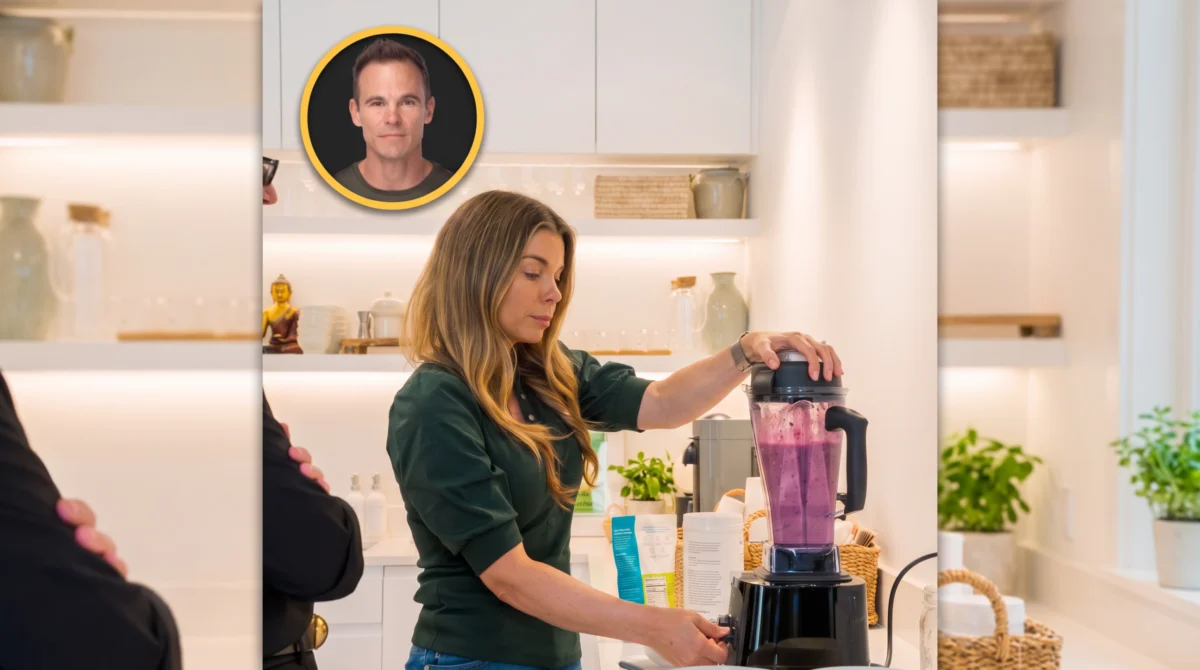
When it comes to daily health routines, few habits are as ubiquitous as the morning smoothie. Yet, according to a recent video presentation featuring longevity expert Dr. Rhonda Patrick and host Mel, one of the most common staples of the blender world is actually working against your nutritional goals. In a detailed walkthrough of her daily longevity routine, Dr. Patrick broke down every ingredient, scoop, and cup that goes into her signature midday blend, revealing why a single sneaky enzyme led her to permanently ban bananas from her favorite recipe.
The foundation of Dr. Patrick’s nutritional philosophy centers on a bold premise: lifestyle choices, rather than genetics, drive the vast majority of how human beings age. During their discussion, she emphasized that approximately 80% of how long and how well a person lives is determined by lifestyle factors, leaving genetics to account for roughly 20 to 25%. While these precise percentages vary across populations and clinical studies, serving largely as ballpark figures rather than fixed biological laws, the overarching message remains clear. Daily habits hold immense power over long-term health trajectories.
The Harvard-Linked Study Behind the Routine
To illustrate the profound impact of these daily choices, Dr. Patrick pointed to robust data from a widely cited Harvard study tracking dietary habits, lifestyle behaviors, and overall lifespan. The research revealed that adults who consistently maintained five key lifestyle factors lived dramatically longer lives while remaining remarkably free of major chronic diseases.
The findings of the study paint a striking picture of potential longevity gains. When demographic models were applied, women who adopted these healthy habits starting at age 50 lived to an average age of roughly 93, compared to a baseline expectancy of 79, representing a remarkable 14-year gain. Men experienced a similar benefit, with their average life expectancy climbing from around 75 to approximately 86, yielding a gain of about 12 years.
Researchers and health professionals frequently note that observational studies of this nature track associations rather than direct causation, meaning no single habit can definitively guarantee an extended lifespan. Nevertheless, the accumulated evidence suggests that stacking healthy behaviors consistently pays substantial dividends over time. Nutrition anchors this healthy pattern, with dietary guidelines recommending four to five daily servings of fruits and vegetables, where a single serving equals a packed cup of leafy greens or half a cup of berries. Rather than spreading these servings across multiple meals throughout the day, Dr. Patrick utilizes her blender as a practical shortcut to pack several essential servings into a single glass.
The Core Recipe: Kale, Blueberries, and Avocado
The backbone of Dr. Patrick’s daily blend relies on a triad of nutrient-dense whole foods: kale, blueberries, and avocado. Each component is chosen deliberately for its specific chemical profile and proven impact on human biology.
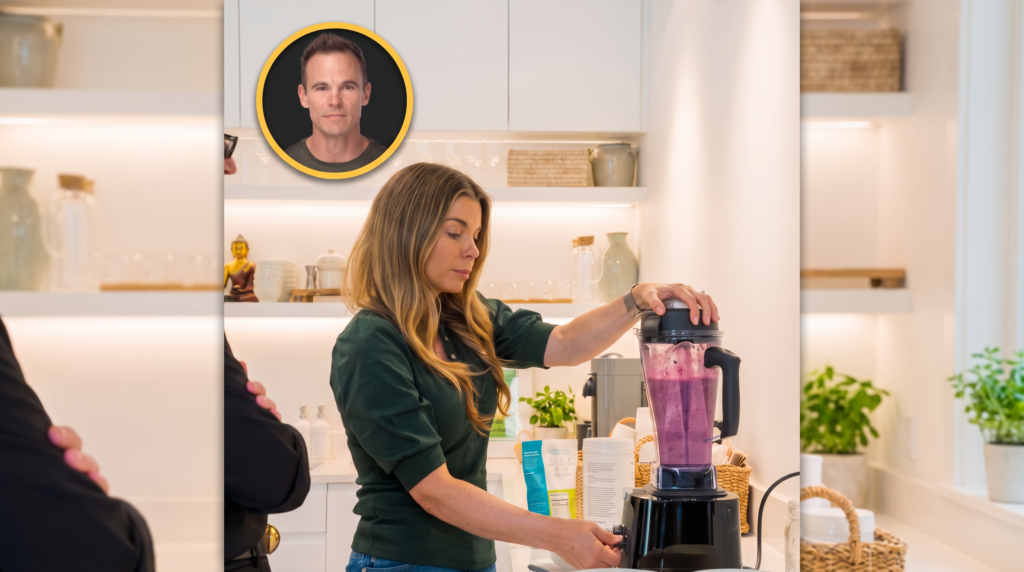
Kale serves as a nutritional powerhouse, delivering significant amounts of lutein, a vital carotenoid that Dr. Patrick links to protection against age-related macular degeneration. Beyond ocular health, she credits lutein and the broader nutrient profile of leafy greens with supporting cognitive speed and fluid intelligence. Alongside lutein, kale brings essential minerals like magnesium and calcium, as well as vitamin K, into the daily mix.
Blueberries introduce a rich supply of anthocyanins, a specific class of polyphenols heavily associated with sharper cognitive function and brain health. Dr. Patrick emphasized the importance of rigorous trial design when evaluating nutritional science, noting that accounting for the placebo effect is critical in clinical research. According to her summary of scientific literature, consuming roughly one cup of blueberries daily has been shown to measurably improve cognition across diverse groups, including young adults, older populations, and individuals experiencing mild cognitive decline. For practical purposes, she noted that frozen berries work beautifully, cost significantly less than fresh produce, and help keep the final drink refreshingly cold.
Why Banana Gets Banned (and Avocado Takes Over)
For years, mainstream smoothie culture has paired bananas with blueberries as a default combination for flavor and texture. Dr. Patrick used bananas in her own routine in the past, but scientific literature regarding food chemistry prompted a change.
The issue centers on an enzyme known as polyphenol oxidase. When raw bananas are blended directly with polyphenol-rich fruits like blueberries, this enzyme actively breaks down and degrades the beneficial polyphenols before they can ever be consumed. Scientific studies analyzing nutrient retention show that significantly fewer polyphenols survive when a banana is introduced into a berry-based mixture. While Dr. Patrick still acknowledges that bananas serve as an excellent, potassium-rich pre-workout fuel that is gentle on the stomach, they have been permanently removed from her daily longevity
smoothie.
To fill the resulting gap in creaminess and texture, avocado has taken over as the primary substitute. Beyond providing a velvety consistency without the chemical interference of polyphenol oxidase, avocado contributes healthy monounsaturated fats. These fats play a crucial role by significantly boosting the body’s absorption of fat-soluble vitamins and phytonutrients found in the other ingredients. To prevent cut avocado halves from browning, Dr. Patrick recommends covering them with the empty pit-side shell or adding a splash of fresh lemon juice.
Optional Add-Ins Worth Considering
While the core blend of kale, blueberries, and avocado provides a formidable nutritional foundation, Dr. Patrick occasionally incorporates specific add-ins depending on her daily nutritional requirements and schedule.
Protein intake is one such variable. Dr. Patrick targets a daily consumption range of 1.2 to 1.6 grams of protein per kilogram of body weight to support muscle maintenance and metabolic health. Because busy schedules can sometimes make meeting this target difficult through whole foods alone, she occasionally supplements her smoothie with whey protein. On camera, she demonstrated a scoop-and-a-half serving, noting that she specifically selects formulations that avoid unnecessary fillers capable of causing gastrointestinal distress, while maintaining independence from any specific commercial brand.
Another notable, though less conventional, addition to her routine is barley beta-glucan. Beta-glucan is a type of fermentable prebiotic fiber. While probiotics introduce beneficial bacteria to the digestive tract, prebiotics act as the fuel that feeds them. Dr. Patrick incorporates this fiber for its well-documented metabolic benefits, though she also referenced emerging research exploring its potential interactions with environmental toxins like PFAS. She noted that while oat and barley fibers have a long, proven track record for supporting healthy cholesterol levels, findings related to newer environmental studies should be viewed as promising rather than definitive. Furthermore, unlike dense fibers such as psyllium husk, which demand heavy daily hydration, this specific prebiotic fiber integrates smoothly into liquid meals without requiring drastic adjustments to water intake, though maintaining adequate hydration throughout the day remains a sensible practice.
Attention to detail extends even to the equipment used to prepare the beverage. Addressing potential concerns surrounding modern kitchenware, Dr. Patrick highlighted that plastic blender pitchers can potentially shed microscopic particles due to the friction generated by dense ingredients moving at high speeds. To minimize exposure to microplastics, she suggests utilizing glass or metal pitchers whenever possible.
The Taste Test and Daily Rhythm
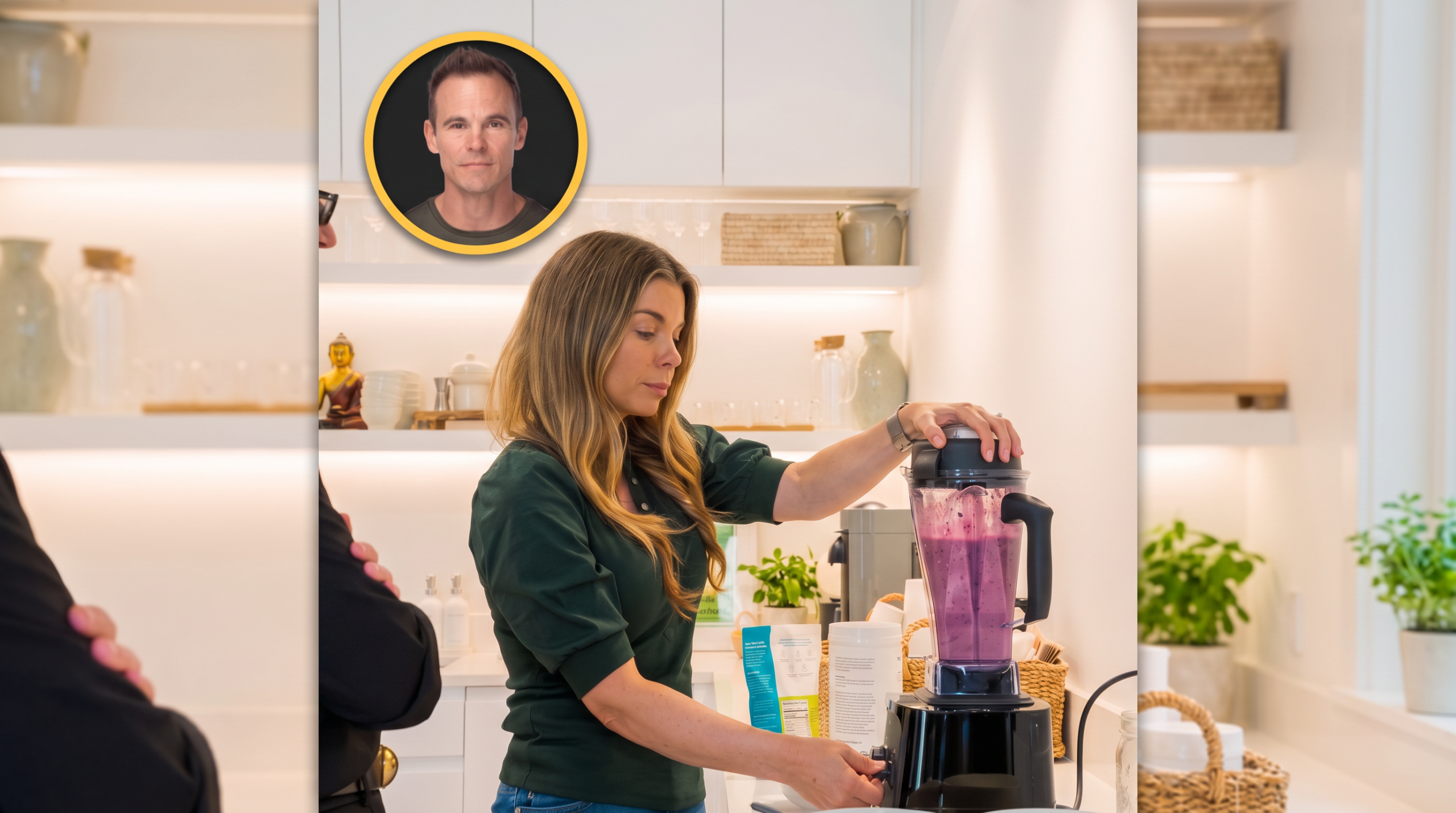
The final product emerges from the blender as a vivid purple mixture, which Dr. Patrick and host Mel poured into wine glasses for a relaxed, mocktail-style toast. Sampling the creation, Mel noted that while the earthy presence of kale is perceptible on the palate, the texture remains exceptionally creamy, mimicking the mouthfeel of traditional banana-based smoothies. Because the drink avoids added sugars, the natural sweetness remains subtle, though incorporating a larger proportion of blueberries can easily adjust the flavor profile for those who prefer a sweeter taste.
Rather than consuming the smoothie first thing in the morning, Dr. Patrick prefers to drink hers during the midday hours, noting that the nutrient-dense blend provides a welcome lift to her mood and energy levels. By combining targeted whole foods, avoiding enzymatic pitfalls, and focusing on evidence-based ingredients, the daily routine offers a streamlined method for securing vital nutrients in a single glass.