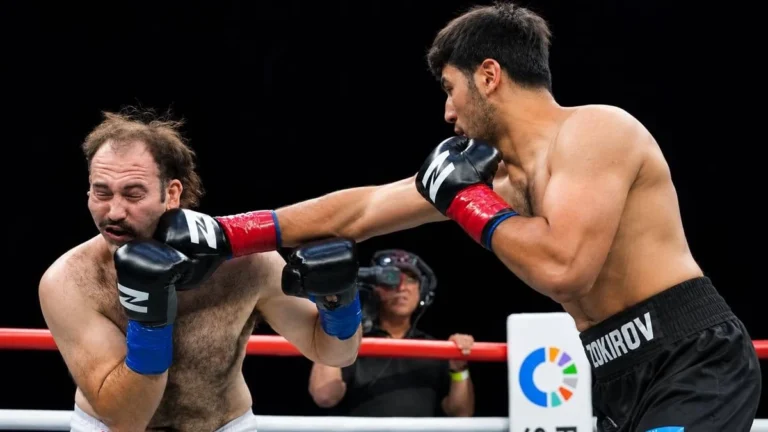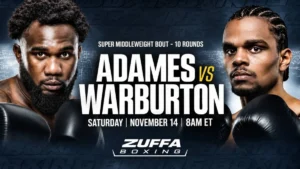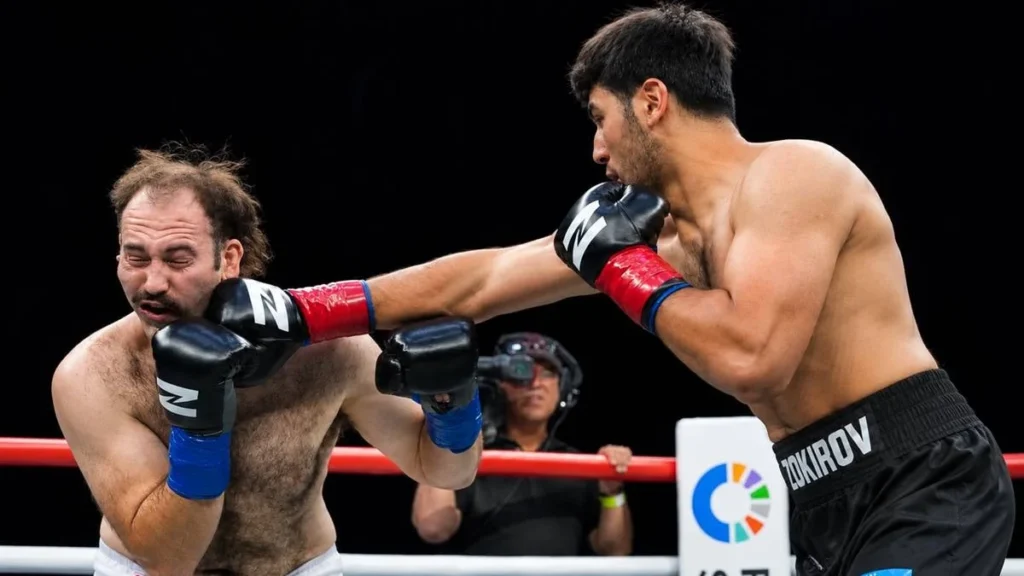


One year into its turbulent entry into the sweet science, Zuffa Boxing is facing a stark reality check. When the promotional powerhouse—backed by TKO Group Holdings and fronted by UFC figurehead Dana White—first set its sights on conquering professional boxing, it arrived with the familiar playbook of external corporate invaders: deep pockets, an aura of inevitability, and the conviction that a fresh coat of corporate paint and aggressive corporate maneuvering would force a notoriously stubborn industry to fall in line.
Yet, looking back at the venture’s inaugural twelve months, industry analysts, veteran boxing journalists, and long-time observers suggest that the corporate titan has learned a hard lesson about turf. Boxing is not a nascent market waiting to be modernized by outsiders wielding brute force; it is a fiercely specialized, highly calcified ecosystem that has chewed up and spat out generations of well-meaning outsiders, ambitious venture capitalists, and deep-pocketed ghouls alike.
To evaluate Zuffa Boxing’s first year is to examine a collision between corporate hubris and the immovable object of boxing’s chaotic, yet resilient, traditions.
Scott Christ: The Outsider’s Gambit in Specialized Territory
The initial impressions of Zuffa Boxing evoke classic fictional tropes of external corporate forces rolling into a specialized, rugged region with visions of restructuring local empires. Armed with capital and high-profile appearances, these invaders often operate under the comforting illusion that local participants will quickly fold, either bending to corporate will or getting chased off the map.
For years, many doubted Dana White would ever cross the threshold into boxing, and for good reasons. White was already the unquestioned ruler of the UFC, a business model that demands absolute, undisputed executive control. Moreover, White had repeatedly investigated the boxing landscape in the past, concluding that the sport was fundamentally unfixable—at least if the financial gamble rested solely on his shoulders.
White was never a visionary reformer discovering a novel approach to the sweet science. Instead, the core strategy relied on legislative gutting—attempting to clear the regulatory path to transform boxing into an enterprise mirroring the UFC. With TKO’s financial backing, Zuffa sought to expand the monopolizing instincts that have successfully fueled the company’s other ventures.
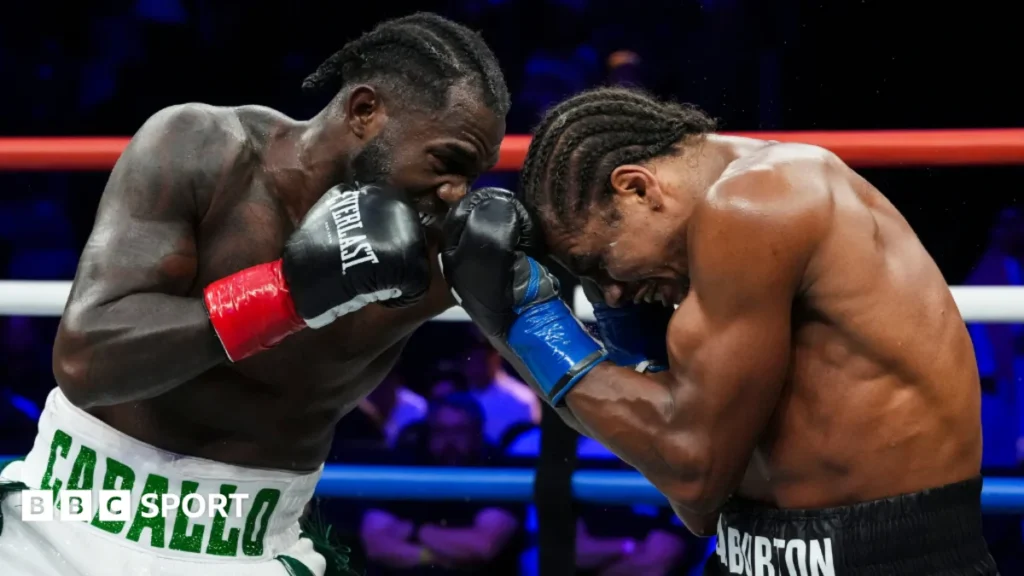
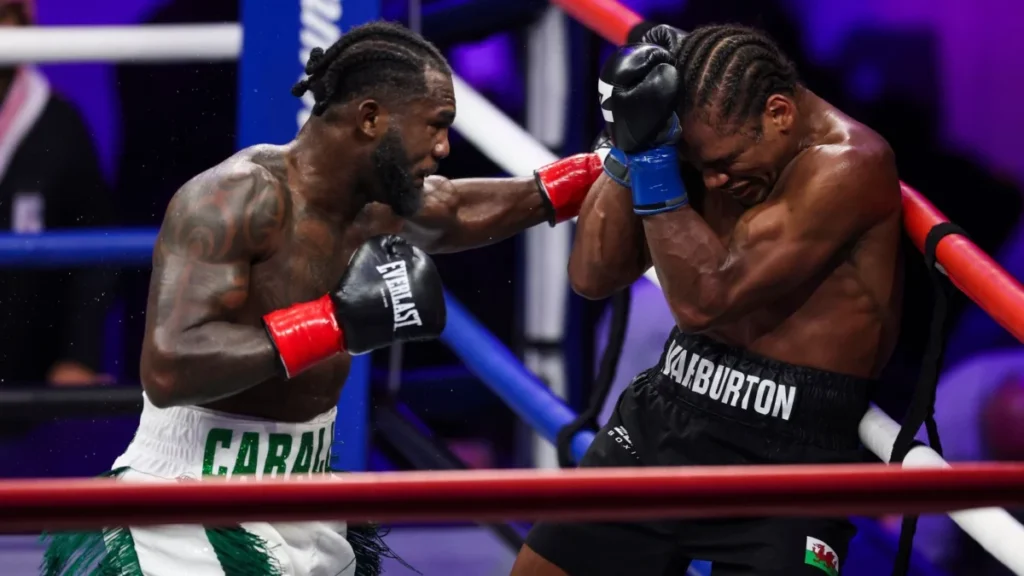
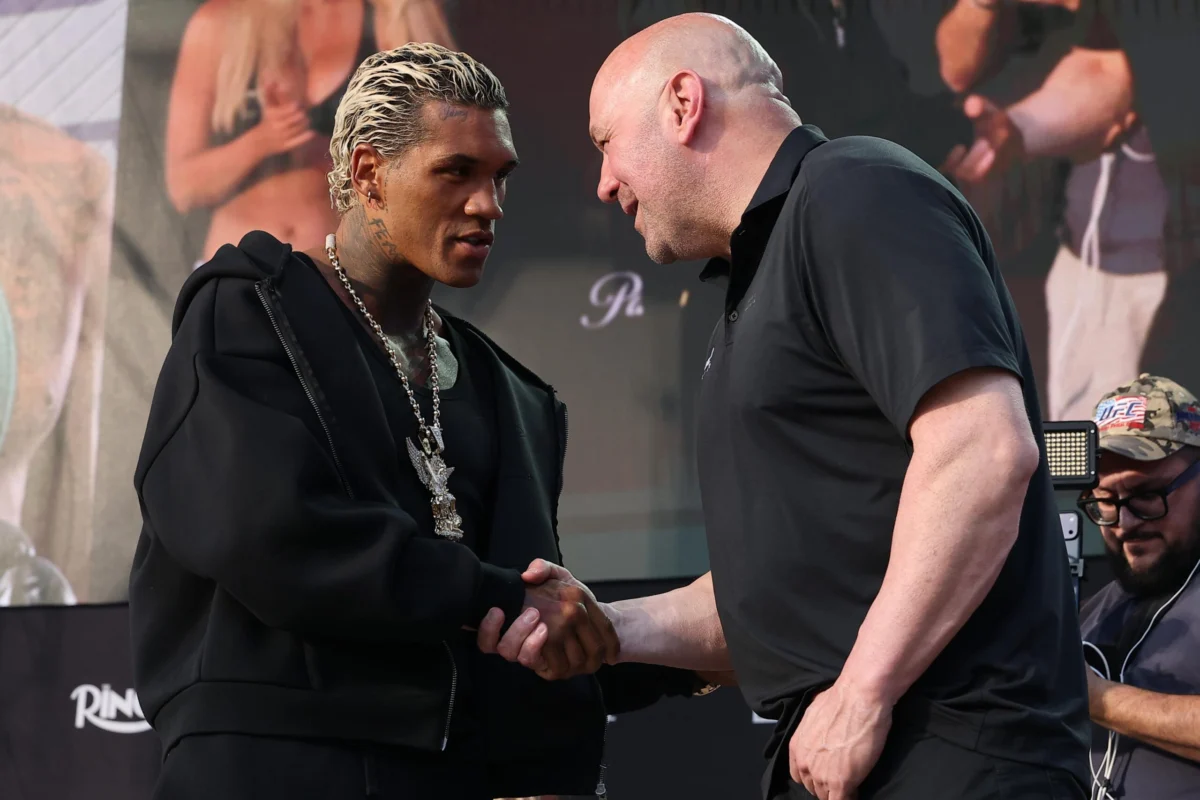
Without immediate, earthshaking shifts in boxing’s foundational laws, however, Zuffa has largely operated like many previous promotional ventures that flamed out early. They have splashed cash on questionable, head-scratching decisions—such as overpaying for figures like Conor Benn—that any established promoter would immediately recognize as a shockingly poor allocation of resources. If White genuinely believed Benn was the kind of foundational talent around whom a roster could be built, his foundational evaluation of boxing talent is profoundly flawed.
While White’s chest-puffing bravado has long served him well within the UFC, top boxing promoters are ruthless sharks. Veteran figures like Eddie Hearn, Frank Warren, and Oscar De La Hoya have survived and thrived precisely because they understand the chaotic mechanics of the sport. They have solidified their standing by dispatching pretenders who step into their domain with grand visions of sweeping reform.
Whether the financial backers behind Zuffa will eventually question if the juice is worth the squeeze remains to be seen. Without major legislative changes outside their direct control, Zuffa appears destined to settle into a mid-level tier within the sport—a respectable standing, certainly, but a far cry from total domination. They picked a fight on unfamiliar terrain, and the locals have proven far more resilient and stubborn than anticipated. Ironically, as an in-ring product, the venture has largely delivered: the shows have been solid, featuring competitive matchmaking and entertaining cards with the talent at hand. But in boxing, the product inside the ring is rarely the only thing that matters.
Wil Esco: Expectations and the "Zombie" Startup Reality
Assessing Zuffa’s first year largely depends on where one’s expectations were set from the outset. Those who bought into the early bluster of an imminent hostile takeover—complete with the abolition of traditional sanctioning bodies in favor of proprietary titles—have every right to feel disappointed.
However, observers with more modest expectations recognized from day one that Zuffa lacked a clear pathway to consolidating enough bankable talent to insulate itself from rival promoters. That reality has not changed.
This does not mean Zuffa is on the brink of immediate financial collapse. Backed by substantial corporate resources, the promotion is unlikely to wither away overnight. Yet, they are nowhere near the dominant power player they projected themselves to be, particularly if their strategy relies on overpaying for events and absorbing financial losses cushioned only by corporate benefactors who can afford to burn cash on a whim.
In venture capital terminology, Zuffa functions best as a "walking dead" or "zombie" startup. And even corporate zombies eventually face a reckoning when the financial pipeline slows down.
John Hansen: Legislative Battles and the Shadow of the Muhammad Ali Act
For critics examining the broader business mechanics of Zuffa Boxing, the initiative represents a troubling importation of the worst abuses seen in combat sports history. Defenders often ask what is inherently wrong with someone trying something different, arguing that increased promotion is good for the sport and questioning whether White is genuinely any worse than established promoters.
Yet, the core outrage surrounding Zuffa extends far beyond the ropes and into the halls of government. The venture’s arrival has coincided with alarming legislative efforts to roll back the minimal federal protections established for fighters over the last thirty years. White’s political connections and lobbying efforts provided the momentum needed to push for the bastardization and weakening of the Muhammad Ali Boxing Reform Act.
For years, White feigned interest in taking over boxing, holding off until he could leverage external capital and strip away the sparse federal protections afforded to fighters. This strategy mirrors the very practices he used to entrench the UFC—practices that draw legitimate comparisons to the worst eras of Don King and Premier Boxing Champions.
As legislative debates continue in Washington, the fate of proposed Ali Act reforms remains precarious. With a shifting political landscape and lawmakers prioritizing other legislative items, relying on political connections to push through industry-altering deregulation has proven difficult. If Zuffa’s grand initiative to drag boxing backward ultimately stalls due to political resistance and a drying financial pipeline from overseas backers like Saudi Arabia, this first-year assessment may well serve as a post-mortem for the entire venture.
Patrick Stumberg: Deconstructing the Myth of the Visionary Promoter
Zuffa Boxing was never destined to be a true paradigm shift. Stripping away the "great man" mythos often championed by media commentators, White simply lacks the iconoclastic vision attributed to him. That reality was underscored by public missteps, including high-profile instances of executive disconnect regarding veteran contenders within his own MMA empire.
The core concepts heralded as game-changers—slashing weight classes, dismissing sanctioning bodies, and isolating rival promotions—were flawed from inception. While boxing’s structural framework is undeniably dysfunctional, it is deeply calcified. Zuffa’s antagonistic posture alienated the very opportunistic partners and power-brokers they needed to sway.
The best-case scenario for Zuffa always looked like a more modest, syndicated iteration of Riyadh Season: competitive matchmaking fueled by Turki Alalshikh’s staggering budget, distributed via modern entertainment monopolies. While elements of that model materialized, early strategic errors have quickly caught up with them. Overpaying for Conor Benn established an unsustainable economic precedent that severely limited their flexibility with top-tier free agents, while the organization lacks the grassroots infrastructure necessary to cultivate homegrown stars.
Unlike the UFC—which benefits from a robust regional talent pipeline, direct relationships with elite MMA gyms, and international prestige—Zuffa Boxing entered the sport without an organic foundation for long-term growth. Even if legislative efforts to weaken the Ali Act were to succeed during a lame-duck congressional window, sustainable growth requires more than an external cash influx, especially as overseas funding sources show signs of tightening.
Rather than a catastrophic corporate implosion, TKO’s financial cushion—bolstered by lucrative media deals—ensures the enterprise will likely persist. Going forward, standard, mid-tier cards appear to be the new baseline for a promotion that originally promised to rewrite the rules of the sport.