
The breakaway golf circuit had been actively seeking new funding following the seismic announcement from Saudi Arabia’s Public Investment Fund (PIF) that it would no longer bankroll the operation after the conclusion of the 2026 season. Since its inception in 2021, the PIF poured as much as US$5 billion into launching, sustaining, and aggressively expanding the league, attempting to carve out an entirely new ecosystem within professional golf through astronomical player salaries, guaranteed purses, and a radically different tournament format.
However, with revenues amounting to a tiny fraction of that unprecedented expenditure, the prospect of securing a replacement investor willing to commit the same level of funding was always beyond remote. Instead of matching the bottomless sovereign wealth spending of the PIF, LIV had hoped to pivot toward a viable path to greater financial sustainability under a strategic rebranding colloquially and internally referred to as “LIV Golf 2.0.”
This next-generation iteration of the league would have doubled down on its team-based concept, seeking to establish long-term economic stability by selling equity stakes in individual franchises to third-party investors, offering player equity to ensure long-term buy-in, and building upon the relative success of tournaments hosted in markets traditionally underserved by the established PGA and European Tours.
The rescue package from BC Partners, valued at US$300 million, was viewed by many as the definitive lifeline needed to bridge the gap between PIF ownership and true commercial independence. Yet, the agreement came with strict contingencies. BC Partners’ offer of funding was conditional on LIV signing up enough high-caliber players to remain a commercially and competitively viable product.
That hurdle ultimately proved insurmountable. Many of LIV Golf’s biggest names, who were originally lured away from rival tours with exceptionally lucrative multi-year contracts, opted to depart rather than accept the significantly reduced financial terms required under the new, commercially realistic business model.
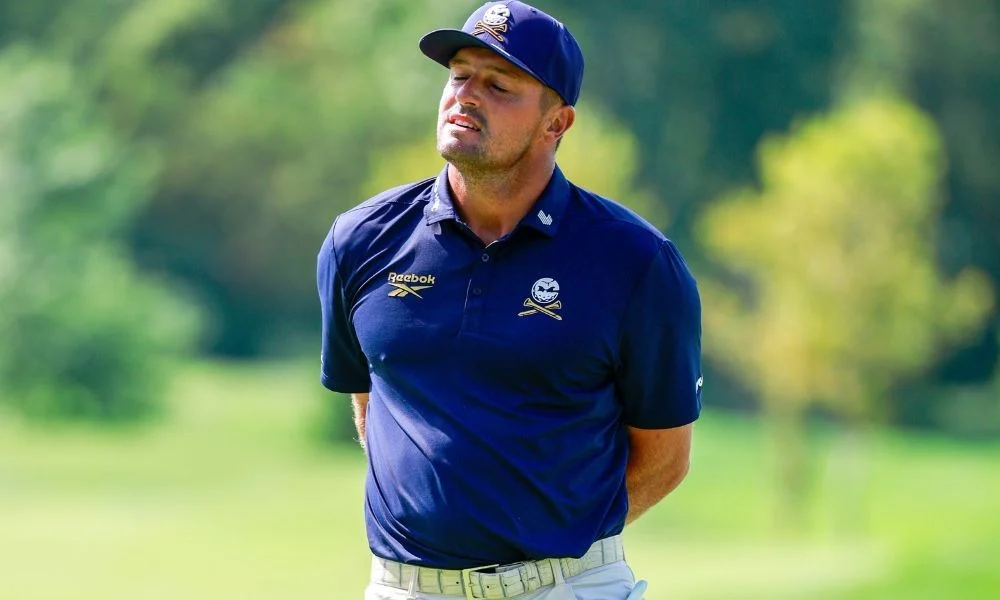
According to reports from The Athletic, a total of 30 players had signed up for the proposed 2027 season, with another 10 remaining undecided about their futures. That group of committed competitors is understood to have included several marquee star players, potentially featuring high-profile names such as Bryson DeChambeau, who has consistently been one of the most vocal and enthusiastic supporters of the league, both before and during its recent financial challenges.
Despite late-stage optimism and public displays of confidence, BC Partners ultimately decided that the project was no longer financially realistic or operationally viable. This sudden withdrawal comes just weeks after representatives from BC Partners appeared prominently on stage alongside LIV Golf chief executive Scott O’Neill at the Leaders Week sports business conference held in London. During that appearance, the prospective investors expressed their firm belief in the LIV concept and stated their confidence that individual golf teams could eventually be valued at US$100 million each—an ambitious valuation given that the franchises had failed to attract significant third-party commercial interest or independent backers prior to the PIF’s decision to scale back its financial involvement.
Unless a replacement investor comes forward immediately to rescue the circuit, LIV Golf will wind down its operations entirely. This will bring a definitive end to a turbulent and polarizing period in golfing history that was, for all practical intents and purposes, tantamount to a civil war within the sport.
Despite the staggering billions of dollars invested by the PIF and the star power commanded by marquee athletes like Bryson DeChambeau and Jon Rahm, LIV ultimately struggled to capture the broader public imagination in the way its architects intended. Furthermore, the circuit failed to secure a significant, lucrative media rights deal that could validate its enormous operating costs. Attempts to secure the league’s long-term future through a high-profile, negotiated merger between LIV, the PGA Tour, and the European Tour were famously agreed upon in principle, but the formal agreement was never successfully completed despite years of intensive, behind-the-scenes negotiations.
LIV Golf has been approached for comment regarding the withdrawal of BC Partners and the future status of the league’s remaining personnel, staff, and tournament schedule.