

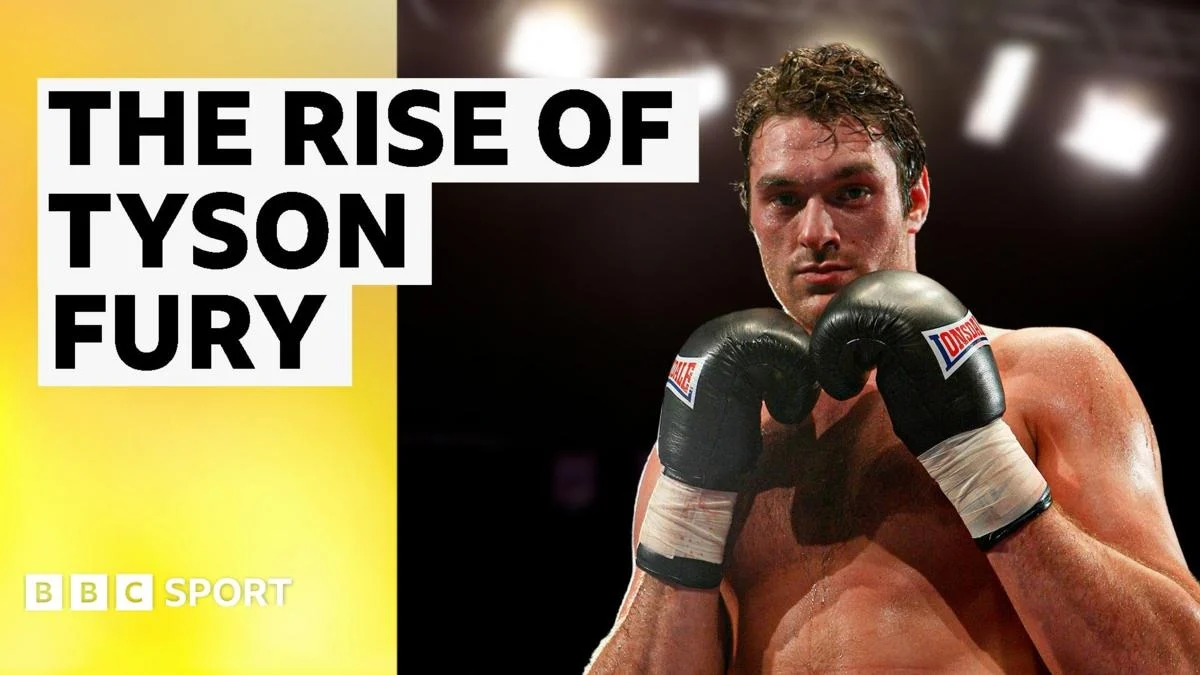
When Tyson Fury entered the world in August 1988, three months premature and weighing a mere one pound, medical professionals offered his parents little hope of his survival. Placed in an incubator and fighting for every breath, the fragile newborn was named Tyson by his father, John Fury, in honor of the then-undisputed heavyweight champion of the world, Mike Tyson. It was a choice born of defiance—a bold declaration that this child, despite the formidable odds stacked against his survival from his very first moments, was destined to be a fighter. Decades later, that precarious start to life stands as the opening chapter in one of the most astonishing, unpredictable, and inspiring narratives in modern sports history.
Fury’s upbringing was deeply rooted in the rich traditions of the Irish Traveller community, a heritage that fundamentally shaped his identity, his mental fortitude, and his eventual entry into combat sports. In Traveller culture, fighting is far more than a pastime or a career option; it is an intrinsic element of family lineage, pride, and self-reliance. Learning the basic mechanics of boxing at an early age alongside his family, Fury inherited a fighting tradition passed down through generations. However, his path to the upper echelons of global boxing was far from conventional. Unlike many modern elite athletes who proceed through structured, corporate-backed talent pipelines, Fury developed his craft through a mix of traditional gym work, relentless sparring, and the mental toughness forged by his nomadic roots.
Standing six feet nine inches tall, Fury presented an unusual blueprint for a modern heavyweight. Historically, fighters of such massive proportions relied almost exclusively on brute strength, heavy punching, and a stationary posture. Fury, by contrast, possessed an athletic fluidity that defied his physical size. He exhibited light-footed mobility, the ability to switch stances effortlessly, sharp head movement, and an unorthodox defensive system that routinely frustrated orthodox opponents. As he rose through the domestic and European ranks, capturing British, Commonwealth, and European titles, his charismatic, unpredictable, and often polarizing personality drew significant public attention. Yet, even as his professional record remained spotless, skeptics questioned whether his unorthodox style could withstand the elite power and technical discipline of the world’s top champion fighters.
That doubt reached its peak in November 2015, when Fury traveled to Düsseldorf, Germany, to challenge Wladimir Klitschko, the reigning unified heavyweight champion who had maintained a dominant hold over the division for nearly a decade. Entering the ring as a major underdog, Fury delivered a masterclass in tactical boxing that completely neutralized the champion’s formidable jab and right hand. Utilizing feints, psychological mind games, and constant movement, Fury outmaneuvered Klitschko over twelve rounds to secure a unanimous decision victory. By capturing the WBA, WBO, IBF, and Ring magazine titles, Fury accomplished what many thought impossible, instantly elevating himself to the peak of international sports.
Yet, reaching the summit of heavyweight boxing was immediately followed by the most harrowing chapter of his life. The sudden fulfillment of his lifelong ambition, combined with the pressures of instant global fame and long-simmering psychological battles, triggered a severe mental health crisis. Fury descended into deep clinical depression, accompanied by severe anxiety, substance abuse, rapid weight gain that saw his frame exceed 350 pounds, and lingering suicidal thoughts. Stripped of his world title belts due to inactivity and personal struggles, Fury withdrew from boxing entirely. For nearly three years, the fighter who had dethroned one of the longest-reigning champions in boxing history seemed completely lost to the sport, his career appearing to be a brilliant but fleeting flash cut short by personal torment.
What followed, however, reshaped Fury’s legacy from that of a troubled talent into one of sport’s most celebrated figures. Speaking publicly and candidly about his mental health struggles—a rare and courageous act within the traditionally hyper-masculine arena of professional fighting—Fury embarked on an arduous journey of physical and emotional rehabilitation. He shed over 140 pounds, reclaimed his boxing license, and staged a remarkable return to the ring in 2018. His comeback was defined by an epic trilogy against the heavy-hitting American WBC champion Deontay Wilder. Their first encounter featured a dramatic 12th-round moment where Fury miraculously rose from a devastating knockdown, culminating in a split draw. In their 2020 rematch, Fury delivered a dominant performance to stop Wilder, claiming the WBC heavyweight title and completing one of the most remarkable career revivals in athletic history.
Parallel to Fury’s personal narrative of struggle and redemption, British heavyweight boxing was being transformed by another giant of the sport: Anthony Joshua. The contrast between Fury and Joshua created one of the most intriguing dynamic rivalries in contemporary sports. Where Joshua represented the polished, Olympic gold medalist archetype—structured, highly marketable, and athletic—Fury was the raw, unfiltered natural fighter whose success was grounded in instinct, resilience, and deep heritage. The lingering prospect of a massive domestic showdown between the two champions captured the imagination of sports fans worldwide for years, sparking continuous debate over which fighter’s philosophy and style would triumph on the big stage.
This rich dynamic and the contrasting journeys of both men serve as the core focus of the BBC feature Rivals: Fury v Joshua, currently available for streaming on BBC iPlayer. The production offers viewers an in-depth look at how two men from vastly different backgrounds ascended to the top of the same division, highlighting the personal, cultural, and sporting elements that defined their respective paths. Complementing the television feature, 5 Live Boxing: Fury v Joshua on BBC Sounds provides further analysis and background, offering listeners an expert perspective on the tactical and historical context of their individual careers and public rivalry.
Today, Tyson Fury’s standing in British sports history goes far beyond his title belts and ring achievements. His willingness to speak openly about mental health, his refusal to conform to standard expectations, and his journey from a 1lb premature baby fighting for survival in an incubator to an undefeated heavyweight champion have resonated far beyond the world of boxing. His life stands as a testament to the unpredictable nature of athletic success and human endurance—a story marked by constant battles against adversity, both in the public eye and within the personal realm.