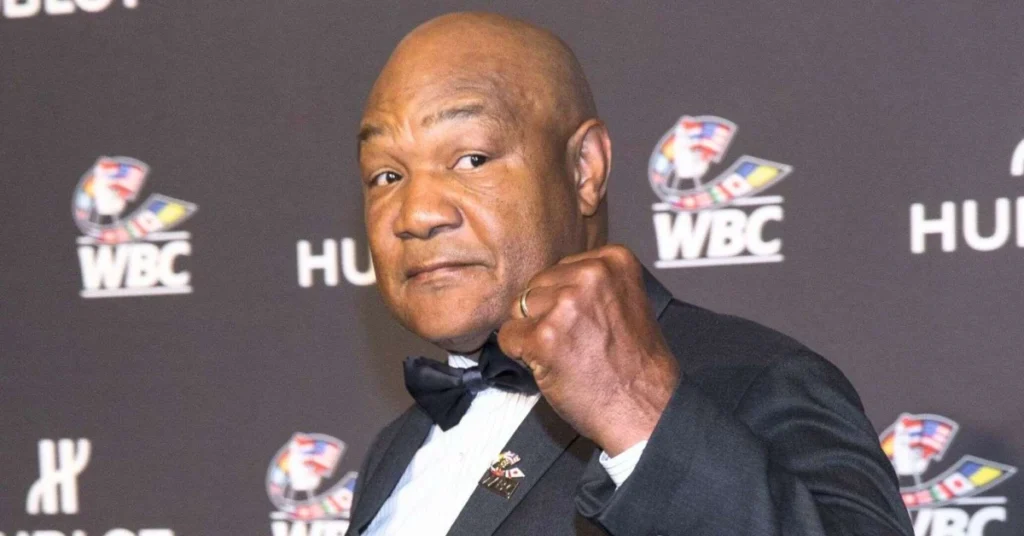
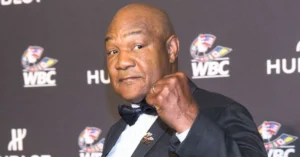
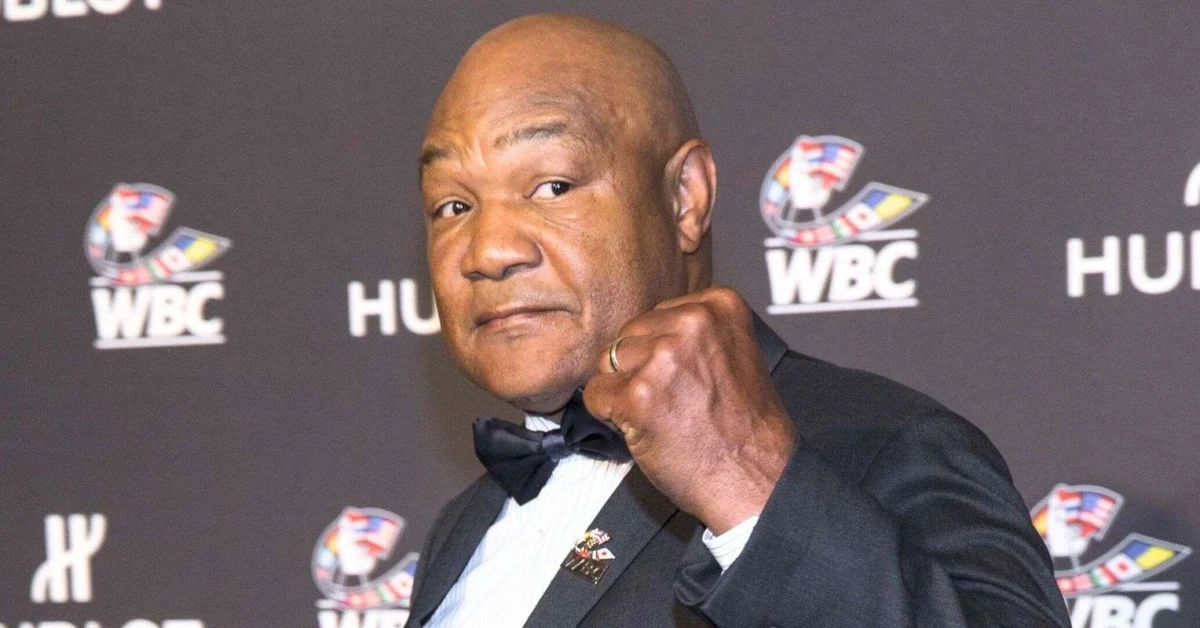
In the storied history of professional boxing, few figures occupy a space as mythic and enduring as George Foreman. He stands alone as the only man to capture the heavyweight championship of the world across two distinct eras separated by nearly two decades. During his first reign in the early 1970s, the late, great Foreman was an intimidating, seemingly unstoppable force of nature, radiating raw power and striking fear into the hearts of his opponents. When he mounted his historic second act, however, he transformed into the ultimate sporting underdog: a middle-aged man plying his trade in a demanding, high-stakes sport traditionally dominated by youth, speed, and relentless athleticism. Yet, in November 1994, he achieved what many in the boxing world considered entirely impossible.
At the remarkable age of 45, Foreman stepped into the ring to challenge the unified WBA and IBF heavyweight champion, Michael Moorer, a fighter who held a pristine undefeated record and represented the modern evolution of the division. Moorer entered the contest with formidable credentials. As the world’s first-ever southpaw heavyweight champion, he was just 26 years old—nearly half Foreman’s age—and possessed blinding hand speed, an aggressive fighting style, and immense confidence derived from his recent, hard-fought victory over Evander Holyfield. In stark contrast, Foreman stepped through the ropes visibly heavier and noticeably slower than he had been during his prime years. Consequently, boxing critics, analysts, and fans widely dismissed his chances, with many viewing the championship bout as a stark mismatch that favored youth and technical precision over fading history.
For the vast majority of the championship fight in Las Vegas, the bout unfolded precisely as the skeptics had predicted. Moorer utilized his vast speed advantage, controlling the early rounds with crisp, fluid combinations, sharp footwork, and constant movement that kept him out of harm’s way. Meanwhile, Foreman plodded forward with measured steps, absorbing clean punches from the younger champion while maintaining an unshakeable, veteran composure. Throughout the middle stanzas of the fight, Foreman’s corner grew increasingly urgent, shouting instructions and imploring him to up his work rate and throw more punches to keep Moorer honest. Yet, Foreman remained remarkably patient, weathering the storm and conserving his energy while absorbing the champion’s blows. He refused to panic, trusting in a deeper strategy that was unfolding entirely beneath the surface of the physical contest.
Then, in the tenth round, the dramatic shift occurred that would instantly cement itself in sports lore. Foreman managed to trap Moorer against the canvas ropes, cutting off the champion’s mobility just long enough to seize a fleeting window of opportunity. With sudden and devastating authority, Foreman unloaded a textbook, perfectly executed one-two combination. The punch caught Moorer flush, and the younger champion dropped instantly to the canvas, unable to beat the referee’s count or recover his senses. With that single, definitive blow, Foreman etched his name into the record books once again, becoming the oldest heavyweight champion in the history of the sport and permanently silencing every lingering doubter who had written off his improbable comeback.
The monumental victory was far more than a simple display of enduring punching power and strategic patience; it served as the climax of one of the most legendary and improbable comeback stories in the history of athletics. George Foreman had lost his crown seventeen years earlier to Muhammad Ali in the famous "Rumble in the Jungle" in Kinshasa, after which he spent many years away from the sport, walking a very different path as an ordained Christian preacher. Years later, driven by a desire to support his youth center and fueled by an unshakeable competitive fire, he made a stunning return to the professional boxing ring. On that electric night in Las Vegas, he successfully completed the circle of his complex career. Reflecting on the defining, tactical masterpiece of a knockout that shocked the sports world, Foreman offered a simple yet profound insight into his veteran mindset: "Nobody had any idea I was setting it up all night. I dreamed that I knocked out Michael Moorer before the fight."