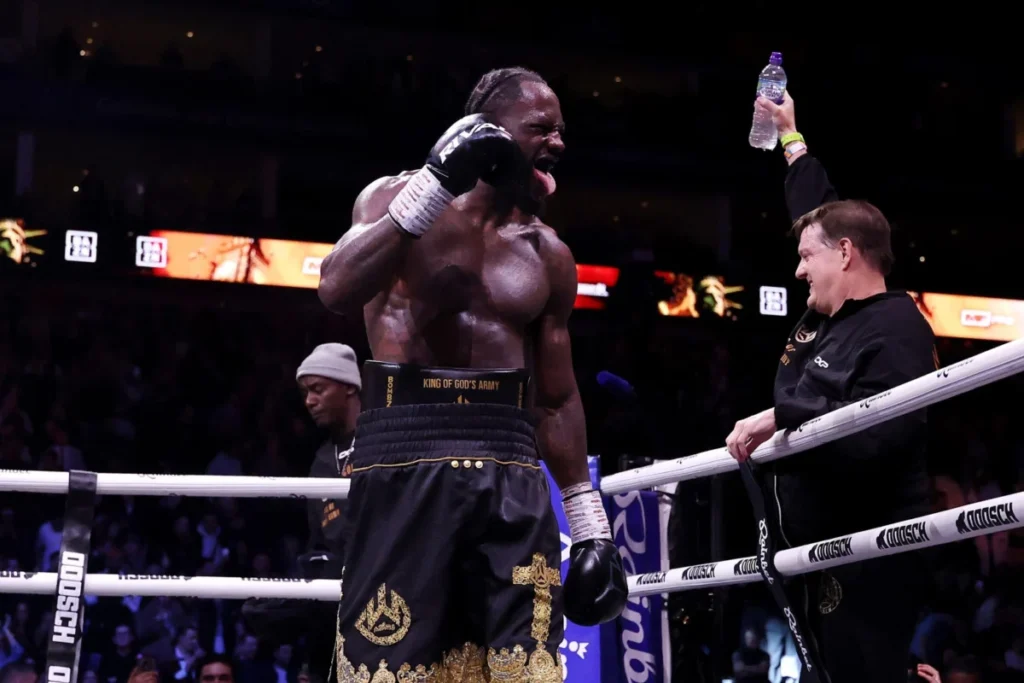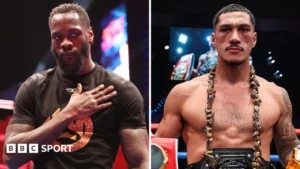

Professional boxing is widely described as the loneliest sport in the world, a poignant reality that deeply resonates with Scottish light-heavyweight Willy Hutchinson. Long before a fighter steps through the ropes into the dazzling glow of a packed arena, surrounded by thousands of screaming spectators, they must endure months behind closed doors in the grueling monotony of a training camp. The explosive roar of a fight-night crowd stands in stark contrast to the quiet solace of a secluded gym, where an athlete spends endless hours accompanied by only a tiny inner circle of trainers and team members.
For the 28-year-old Hutchinson, that persistent isolation does not simply end when the fight is over. The young contender candidly admits that the intense emotional and physical toll of the sport has often left him feeling deeply down, experiencing a profound emotional comedown even in the immediate aftermath of hard-fought victories. Yet, as he prepares for the biggest night of his athletic career, Hutchinson insists he has finally found peace within himself. He enters his highly anticipated rematch against long-time rival Joshua Buatsi for the vacant WBC light-heavyweight championship on Saturday at Manchester’s AO Arena in the best mental and physical space of his life.
The stark reality of boxing’s psychological burden was particularly evident following Hutchinson’s grueling victory over Mark Jeffers. Despite emerging victorious from a hard contest, the emotional aftermath proved to be an unexpectedly dark period for the Scottish fighter, highlighting how success inside the ring does not automatically guarantee contentment outside of it.
Reflecting on that challenging period, Hutchinson recalled just how difficult the immediate post-fight transition could be. He admitted that after his battle with Jeffers, he retreated entirely from the public eye, struggling to process the overwhelming experience and the sudden drop in adrenaline. He explained that after the bout, he did not want to see anyone for a week, experiencing a profound emotional drop that hit him severely. However, he emphasized that his current outlook has fundamentally shifted, expressing deep gratitude for finally achieving a sense of happiness and mental stability—a state of mind he acknowledges has historically been remarkably hard for him to attain and maintain within the high-pressure world of elite boxing.
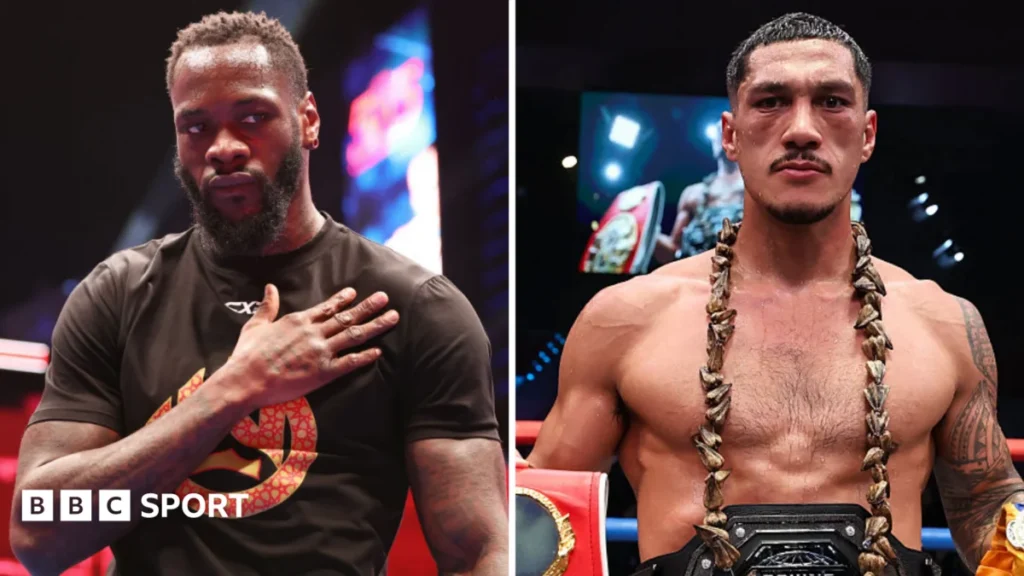
Now, with a renewed sense of clarity and purpose, Hutchinson is fully focused on settling an unfinished score that has been brewing for two years. His history with the 33-year-old Buatsi dates back to their spectacular initial encounter in September 2024, when the two light-heavyweights met on the high-profile undercard of the heavyweight showdown between Daniel Dubois and Anthony Joshua at Wembley Stadium.
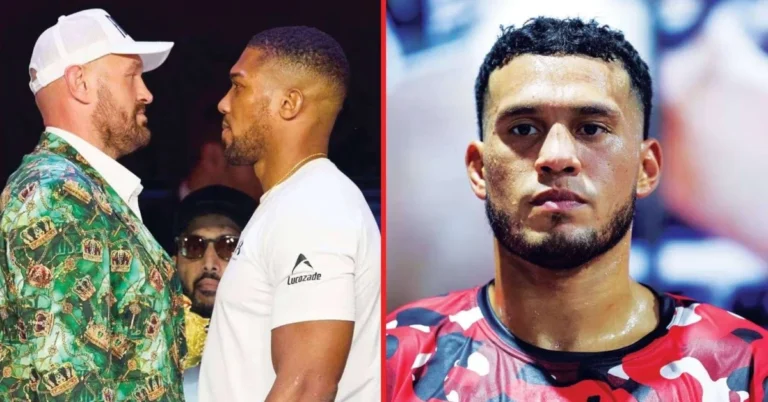
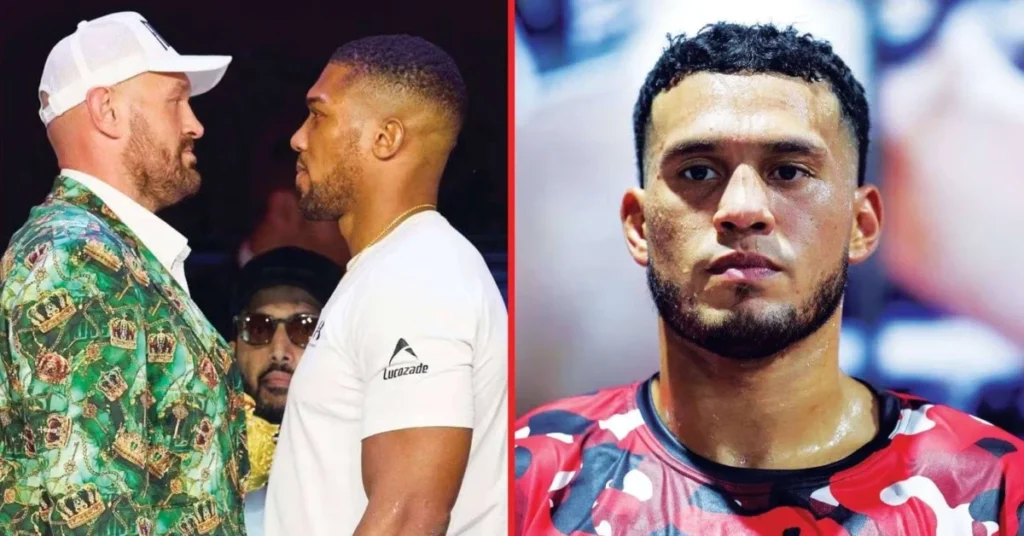
That historic evening at Wembley was fundamentally defined by Daniel Dubois’ stunning fifth-round knockout victory over Anthony Joshua to retain his IBF heavyweight championship, a dramatic result that naturally dominated global headlines. Yet, long before Dubois delivered his decisive final blow, Hutchinson and Buatsi had already set an extraordinarily high standard for the night, engaging in a remarkable, action-packed back-and-forth contest that captured the fascination of the packed stadium.
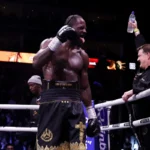
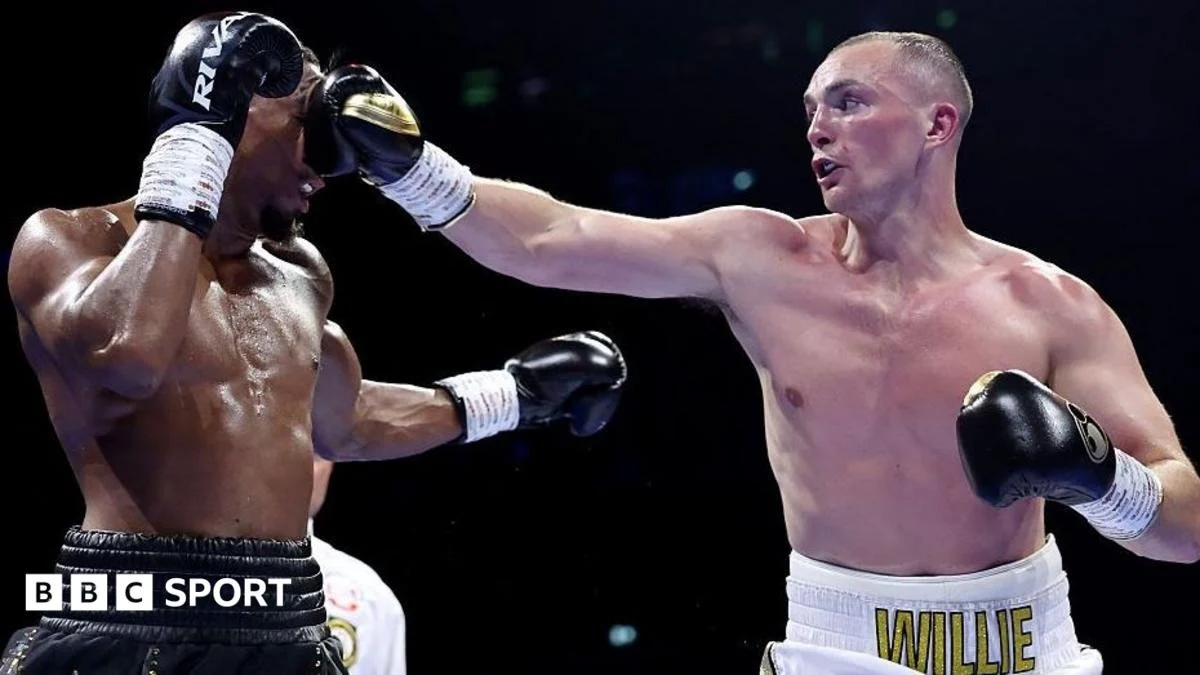
Their first meeting delivered high drama from the opening bell. Hutchinson demonstrated immense courage and resilience after being knocked down twice during the bout. Showing remarkable fortitude, he repeatedly climbed off the canvas to fight his way back into the contest, winning key rounds in between those knockdowns to press Buatsi to his absolute limits. When the final bell sounded, the outcome hung delicately in the balance, with Buatsi ultimately securing a razor-thin split-decision victory.
In the two years since that dramatic night at Wembley, the rivalry between the two light-heavyweights has continued to simmer beneath the surface. Personal insults and tense exchanges have regularly spilled over onto social media, keeping the bad blood alive while both men carved out their respective paths back to the top of the division. Now, that lingering tension reaches its head, with Saturday’s clash at the AO Arena in Manchester offering not just personal redemption, but the ultimate prize in professional boxing: a world championship belt.
Hutchinson remains convinced that the outcome of their first meeting was not a true representation of his abilities. He insists that the lessons learned from that bitter loss, combined with his recent mental growth, will make all the difference when he steps into the ring for the rematch. He expressed supreme confidence that fans will witness a completely transformed fighter in Manchester, declaring that he intends to deliver the exact caliber of performance he felt he should have produced two years ago. For Hutchinson, Saturday night represents a dual objective—avenging the sole smudge on his recent record while fulfilling a lifelong dream of reaching the pinnacle of the light-heavyweight division, effectively killing two birds with one stone.
Since that fateful night at Wembley, Hutchinson has meticulously rebuilt his career and standing within the light-heavyweight hierarchy. He returned to winning ways in decisive fashion, stopping the formidable Mark Jeffers in a high-stakes performance before earning an impressive decision victory over the dangerous Ezra Taylor. Those performances not only proved his physical tools but also demonstrated his capability to execute strategic game plans under pressure, cementing his position as a legitimate world-title contender.
Buatsi, a former Olympic bronze medallist whose professional career had previously carried an aura of invincibility, has experienced his own complex journey since their first meeting. The 33-year-old suffered his first professional setback when he fell to defeat against Callum Smith, a loss that temporarily disrupted his ascension to the top of the division. Although Buatsi managed to rebuild his momentum with a subsequent victory over Zach Parker, his recent outings have drawn sharp criticism from rival camps—none more vocal than Hutchinson’s.
Assessing his opponent’s recent trajectory, Hutchinson was brutally candid in his evaluation of Buatsi’s form, dismissing any notion that the former Olympian presents an insurmountable challenge. Hutchinson argued that Buatsi has looked vulnerable in his recent outings, pointing directly to his setback against Callum Smith and suggesting that Buatsi struggled significantly in his follow-up victory over Zach Parker.
Despite his dismissive critique of Buatsi’s recent fight history, Hutchinson acknowledges that both men will need to bring their absolute best to the ring on fight night. He believes that the magnitude of the occasion—a world title bout at the AO Arena—will naturally force both fighters to peak simultaneously. However, he remains steadfast in his belief that when both men are operating at their absolute limits, his superior talent and refined preparation will prove decisive, stating firmly that the cream will always rise to the top.
As fight night approaches, the months of isolated preparation, exhausting sparring sessions, and strict conditioning camps are finally complete. For Hutchinson, the physical strain of the training camp represents the hardest phase of the journey, far eclipsing the challenge of the fight itself. With the grueling camp behind him, he views the impending championship bout not as a daunting hurdle, but as the execution of a well-rehearsed plan.
Entering the AO Arena with a clear mind and a clear mission, Hutchinson believes the intense labor of camp has set the foundation for a decisive victory. He approaches Saturday night confident that he has endured the darkest, most solitary aspects of the sport, and is now ready to step back under the bright lights of Manchester to claim the WBC light-heavyweight title and write the ultimate chapter of redemption in his career.