


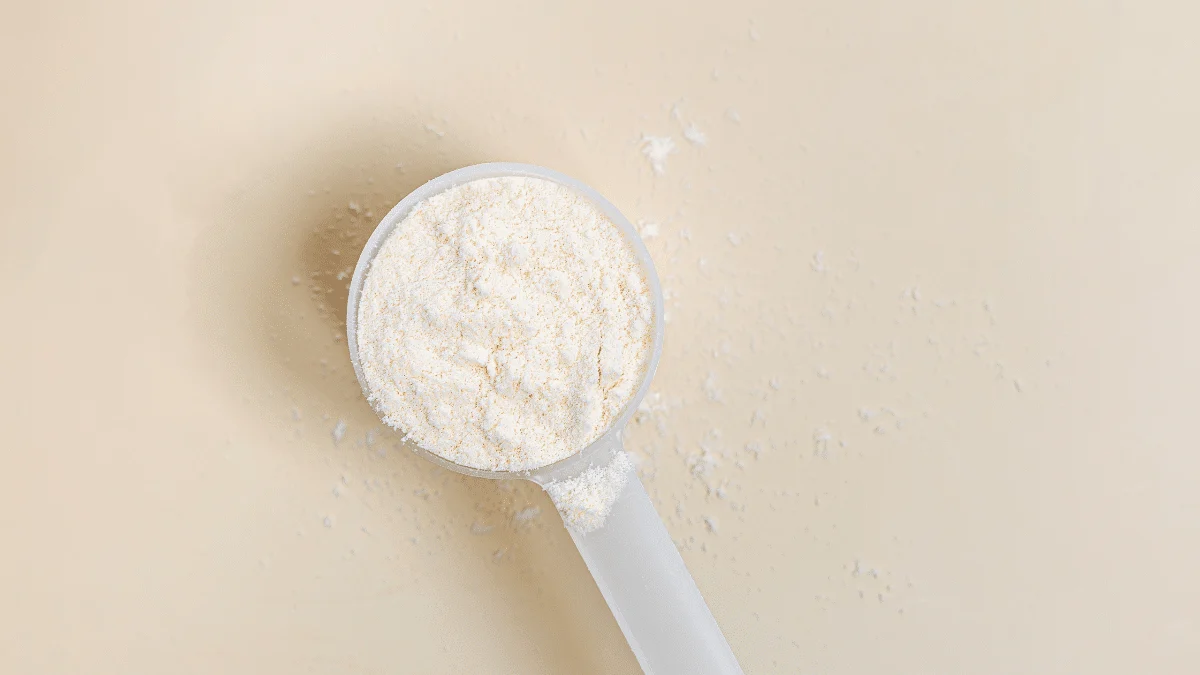
For well over a decade, fitness enthusiasts and supplement manufacturers alike have treated the amino acid leucine as the undisputed master switch for muscle protein synthesis. Back around 2013, the supplement industry experienced a massive boom centered heavily around branched-chain amino acids (BCAAs) and isolated leucine powders. Companies frequently plastered the exact leucine content across the labels of their pre-workouts and recovery drinks, promoting it as a revolutionary catalyst for muscle hypertrophy and strength gains. Even today, echoes of this marketing strategy remain visible across a wide variety of sports nutrition products on store shelves.
To be entirely fair to the science, the fundamental premise behind these marketing claims is not entirely false. Leucine is indeed an essential amino acid that plays a critical role in triggering mTORC1 signaling, the cellular pathway that initiates muscle protein synthesis. Existing scientific literature provides clear mechanistic evidence showing that resistance training can actually increase muscle sensitivity to leucine, enhancing the body’s response for up to 48 hours following a strenuous workout. When viewed strictly through a biochemical lens, leucine’s ability to stimulate the machinery responsible for muscle growth is well-established.
However, sports scientists and researchers have long argued that a biochemical mechanism does not automatically translate to a practical, real-world benefit. The critical question facing athletes and everyday gym-goers is not whether leucine can trigger the pathways of muscle protein synthesis in a laboratory setting. Rather, the more pressing inquiry is whether adding isolated leucine supplementation to an already balanced diet—one that is relatively high in protein and paired with a consistent resistance training program—actually leads to superior gains in muscle mass and overall strength.
A comprehensive new systematic review focusing on young, active adults suggests that the answer to this question is typically no. Across multiple randomized controlled trials examining healthy, trained participants following structured training regimens, the addition of leucine supplementation failed to produce any significant improvements in muscle growth, strength development, or recovery when compared directly to a placebo group. Despite the theoretical advantages of spiking leucine levels, the practical outcome for individuals already engaging in resistance exercise and eating a proper diet showed no measurable benefit from the extra supplement.
This lack of efficacy is not isolated to young, resistance-trained demographics. Similar findings emerge when reviewing broader meta-analyses investigating the impact of leucine supplementation in older adults, including vulnerable populations suffering from sarcopenia—the age-related loss of muscle mass and function. In these studies, leucine supplementation failed to demonstrate clear, consistent benefits for lean body mass, handgrip strength, or leg press performance, regardless of whether the older participants actively engaged in resistance training or remained sedentary. While some trials indicated a minor positive effect on handgrip strength when leucine was combined with vitamin D supplementation, those results came with distinct caveats and conditions that limit their broad application.
When evaluating these findings collectively, researchers point out that resistance training paired with an adequate overall daily protein intake appears entirely sufficient to maximize strength and muscle mass gains. It is worth highlighting that when sports science refers to an adequate protein intake, the target is often far more modest than the extreme recommendations frequently popularized in fitness culture. For instance, several of the clinical studies involving older adults utilized a daily protein target of roughly 1.2 grams of protein per kilogram of body weight. This level of consumption is widely considered more than enough to tick all the necessary boxes for stimulating muscle protein accretion and supporting ongoing tissue repair.
Further complicating the case for specialized amino acid products, research examining specific BCAA and essential amino acid (EAA) supplementation reveals distinct shortcomings compared to whole protein sources. Evidence indicates that isolated BCAAs are likely inferior at spiking muscle protein synthesis when compared directly to a complete protein source containing a full array of amino acids. Meanwhile, EAA supplements may serve as an acceptable alternative only in scenarios where an individual’s overall dietary protein intake happens to be severely deficient.
Ultimately, the broader consensus offers reassuring news for anyone looking to optimize their fitness routine without breaking the bank. It is highly probable that consumers do not need to spend hard-earned money on standalone leucine, BCAA, or EAA supplements. This assumes, of course, that an individual’s daily protein intake does not remain extremely low over extended periods of time. Avoiding these supplements also spares consumers from enduring the notoriously harsh, bitter taste of pure leucine powder, which anyone who has ever sampled it can attest is remarkably unpleasant. At the end of the day, even the occasional low-protein day here and there is exceptionally unlikely to exert any meaningful, long-term negative effect on muscle gains, particularly for individuals who maintain consistency in their resistance training habits.
For those interested in staying up to date with the evolving landscape of exercise science, the Stronger By Science weekly newsletter regularly publishes practical training tips and clear summaries of the latest clinical research. Interested readers can sign up for the free resource directly through their official website.