
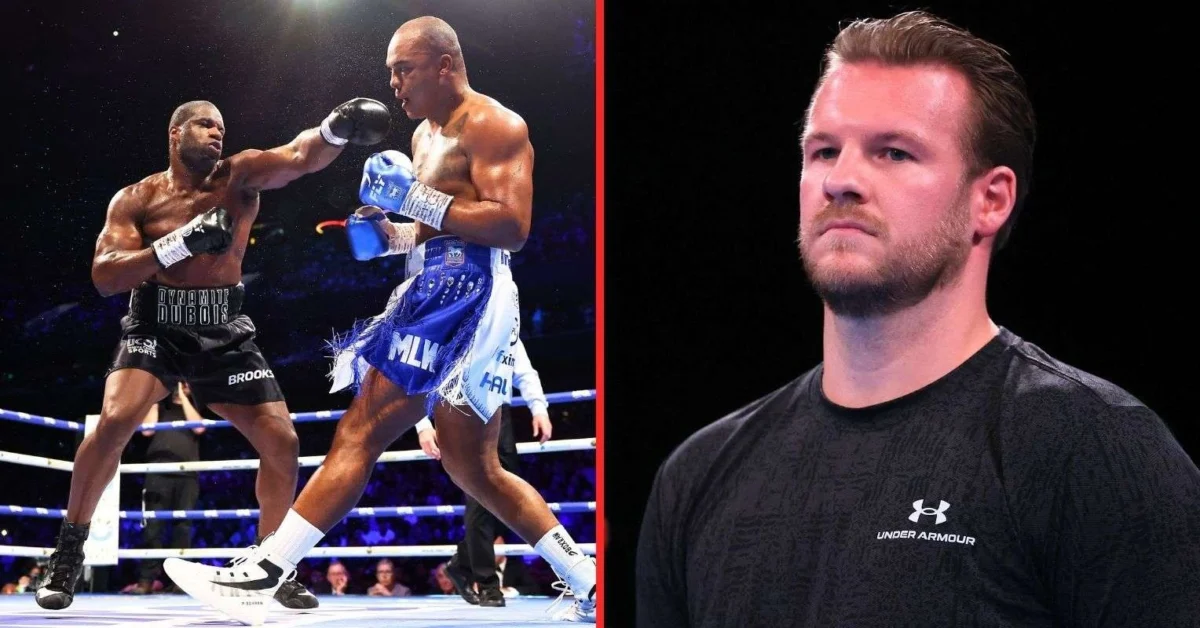
Renowned boxing trainer Ben Davison has finally broken his silence following a challenging stretch that has seen him suffer his third heavyweight world title defeat of the calendar year. The 33-year-old cornerman has candidly addressed the fierce criticism he faced regarding the timing of his intervention when Fabio Wardley suffered a punishing defeat to Daniel Dubois back in May, while also offering a broader defense of his overall track record at the absolute elite level of the sport.
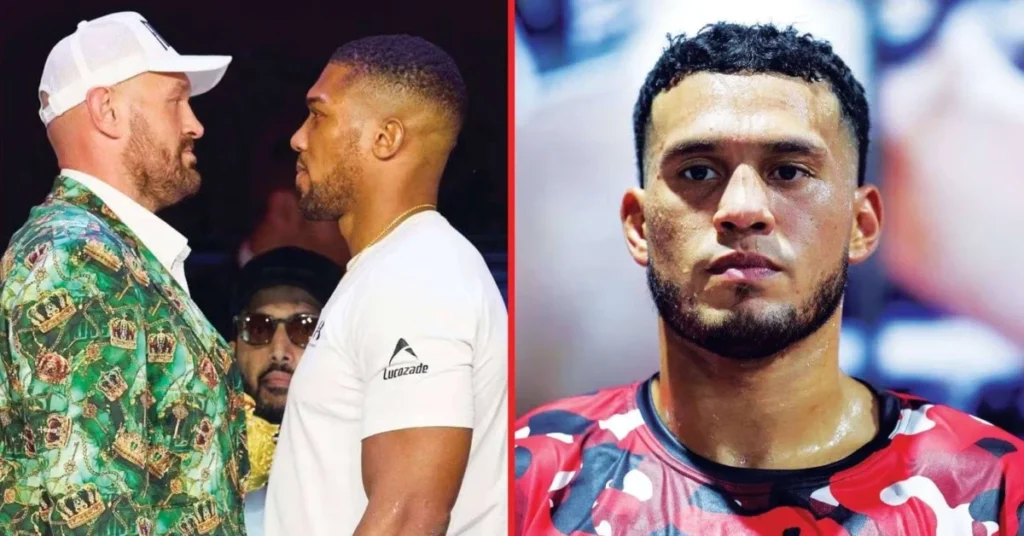
Before the turbulence of this year, Davison’s résumé in heavyweight world championship contests was marked by high-profile success and ambition. He famously guided Tyson Fury to a hard-fought and iconic draw in his initial showdown with Deontay Wilder back in 2018, establishing his reputation as a tactical mastermind. More recently, he was in the corner for Anthony Joshua’s catastrophic bid for Dubois’s International Boxing Federation (IBF) title in 2024, a fight that did not go according to plan for the British star.
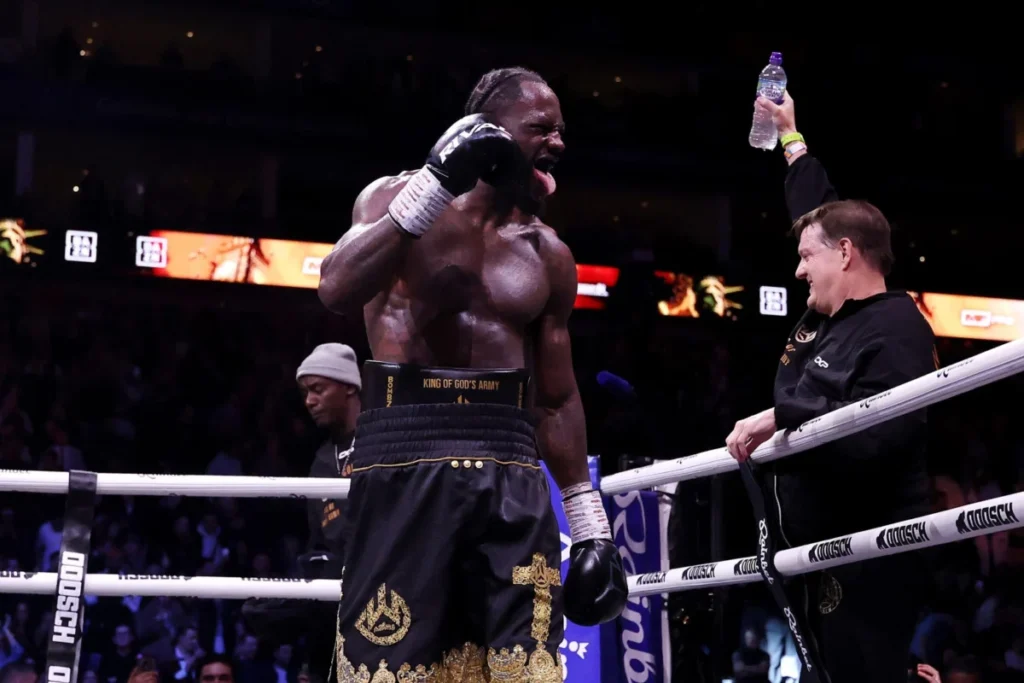
However, the scrutiny intensified earlier this year following Wardley’s first grueling war against Dubois. During that punishing encounter, the Ipswich fan-favourite absorbed an unsettling and heavily debated amount of punishment before the referee and Davison simultaneously called a halt to the proceedings in the 11th round. The delayed intervention sparked widespread debate across the boxing community regarding fighter safety and the responsibilities of a cornerman, with many pundits and fans arguing that the punishment should have been stopped much sooner to prevent unnecessary damage.
Speaking candidly in an interview with Playbook Boxing, Davison admitted that, upon deep reflection and reviewing the footage, he allowed the first fight between Wardley and Dubois to go on longer than it should have. Demonstrating accountability, the trainer conceded that mistakes happen in the heat of battle and that he bears responsibility for not stepping in earlier to protect his fighter.
“Yeah, potentially it could have been stopped sooner, I agree,” Davison told Playbook Boxing. “I think that, looking back, it probably could have been stopped a couple of rounds earlier, yeah. Would he be happy with that? I mean, he wasn’t happy that it got stopped when it got stopped, but I am man enough to turn around and say that, yes, maybe I could’ve stopped that one earlier, we all make mistakes.”
That initial encounter proved to be a turning point in a difficult sequence for Davison’s stable. Since that first bout with Dubois, Davison has remained active at the highest level, finding himself in the corner for Moses Itauma’s surprising defeat to Filip Hrgovic, as well as the one-sided Dubois-Wardley rematch that took place earlier this month. Many boxing analysts have attributed the nature of that second fight to Wardley’s insufficient recovery time following the brutal physical toll of their initial encounter earlier in the year, further thrusting Davison’s training methods and strategic decisions into the spotlight.
Addressing the wave of criticism that has come his way from media outlets, former fighters, and fans alike, Davison urged observers to look at the bigger picture and examine the context behind his overall career statistics. He pointed out that operating at the absolute peak of the heavyweight division naturally brings high risks, narrow margins, and inevitable losses against world-class opposition.
“We’ve done, I think, 19 world title fights and lost five,” Davison explained. “One of them was Leigh Wood against [Mauricio] Lara, which very quickly got turned around. Then there were the two fights with Fabio and Dubois. But I feel like, when you actually put context to it, Fabio’s achieved something that’s never been done before. He’s broken records. Someone with zero amateur fights, four white-collar fights, becomes heavyweight champion, and essentially he’s lost in the Champions League, so to speak.”
Davison emphasized that public perception in boxing is often hyper-focused on recent defeats while ignoring the extraordinary achievements and upset victories that are forged behind the scenes in training camps. He noted that extraordinary trajectories carry unique challenges that standard developmental paths do not encounter.
“People don’t talk about the victories, like the [Joseph] Parker one, where he should never have won that fight—on paper, I’m talking about,” Davison added. “Then Moses versus Filip Hrgovic is the other one. Again, a little bit of context on that. If I was to say the names Muhammad Ali, Mike Tyson, and Floyd Patterson, automatically people would say you can’t put Moses in that category. But he was putting himself in that category with that fight.”
Despite the recent setbacks and the intense media scrutiny surrounding his decisions, Davison will soon have an immediate opportunity to rewrite the narrative and add another prestigious victory to his coaching resume. He will train Anthony Joshua for his blockbuster, high-stakes clash against Tyson Fury scheduled for Friday, December 11. With the vacant World Boxing Association (WBA) Super heavyweight world title officially up for grabs, the upcoming all-British showdown offers Davison a massive stage to demonstrate his tactical acumen and make it sixth time lucky in world championship bouts.