When stepping into the squared circle, a fighter’s footwear is arguably the second most critical piece of equipment after boxing gloves. Proper boxing shoes provide absolute control, translating into explosive footwork and anchored, stable stops. As fighters evaluate their gear for training and competition, understanding the nuances of footwear design can profoundly impact performance inside the ring.
Unlike everyday athletic shoes or trainers built for running or court sports, specialized boxing footwear is engineered to make athletes feel light, comfortable, and unified with the canvas. The right pair molds seamlessly to the foot, offering agility and crucial support while executing hooks, crosses, and rapid defensive maneuvers. Conversely, poorly designed footwear can introduce awkward curves, unnecessary friction, and a frustrating disconnect from the ground.
Despite the clear performance advantages, beginners often resist investing in dedicated boxing shoes. Newcomers frequently hesitate to spend money, failing to see the immediate benefit and opting instead to use running shoes, basketball sneakers, or cross-trainers. Athletic shoes designed for running or basketball are fundamentally unsuited for boxing movements. They typically feature heavy cushioning that disconnects the athlete from the ground and curved soles meant to facilitate a heel-to-toe running stride. In contrast, boxing requires stationary stability, flat-footed planting to sit down on punches for maximum power, and rapid, precise pivots. Putting real boxing shoes on a beginner is often cited as one of the fastest ways to instantly improve overall athletic performance and mobility in the ring.
A thorough evaluation of footwear requires examining several core features, starting with the balance between grip and pivot. The ideal boxing shoe provides enough traction to prevent slipping during explosive power transfers while allowing the fighter to rotate smoothly on the balls of the feet for punches and defensive footwork. Non-boxing shoes often present extremes, being either dangerously slippery or excessively sticky, which can cause awkward trips or hinder fluid movement.
Sole thickness, hardness, and texture also heavily influence balance and maneuverability. Soles vary from ultra-thin options that maximize ground feel and agility to thicker, more rigid soles that offer heightened stability and a solid surface for explosive pushing power. While thin soles enhance ground feedback, they offer less structural rigidity, potentially leading to foot fatigue or ankle rollover if the foot bends too easily. Conversely, thicker soles provide a solid foundation but can reduce tactile connection with the canvas. Additionally, the construction of the toe and heel areas—whether wrapped in rubber for durability or left soft for mobility—plays a significant role in how a shoe performs under pressure.

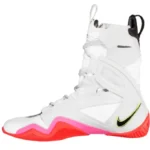
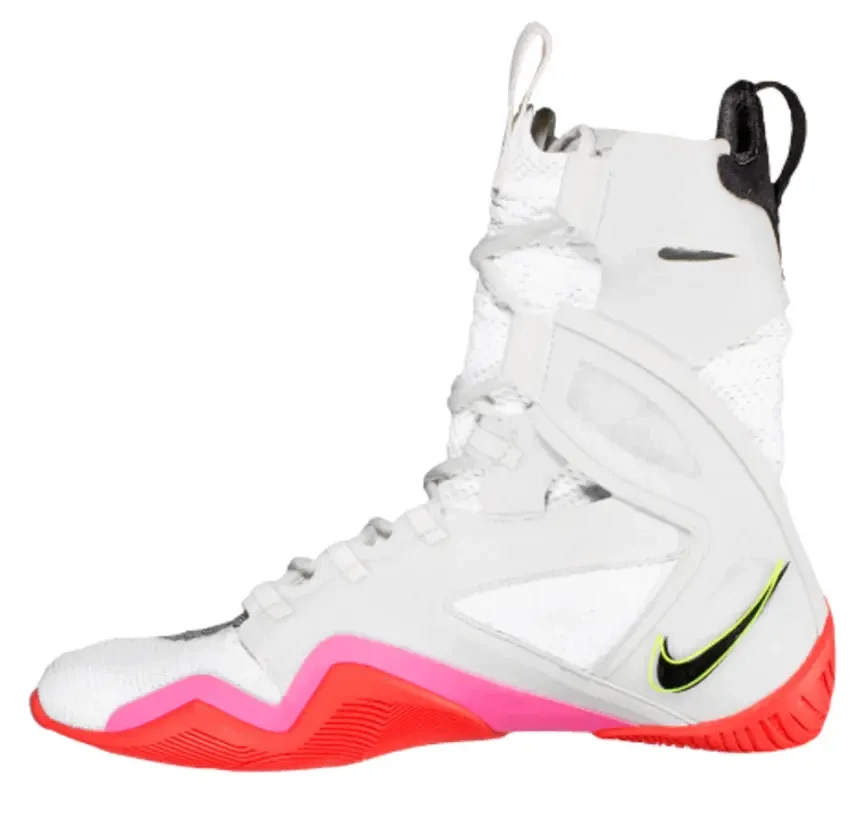
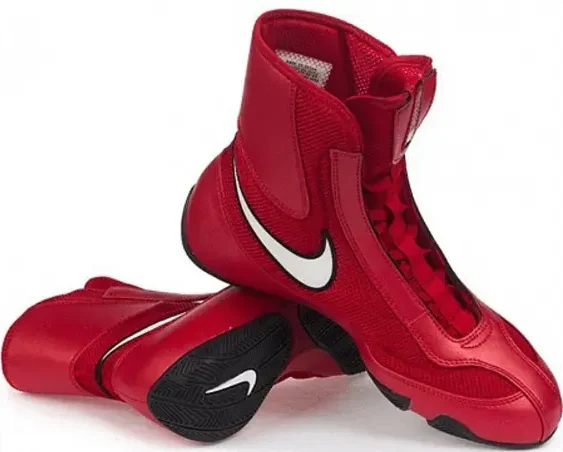
Ankle support and shoe height represent another major decision point for athletes, traditionally categorized into low, mid, and high-top designs. Low-tops offer maximum ankle mobility and appeal to fighters with strong joints who prioritize speed and agility. Mid and high-top boots reach up the lower shins or calves, providing increased structural awareness and support. Many fighters find that high-tops encourage the entire lower leg to move in unison, promoting better lower-body alignment and preventing overly crouched or unstable postures.
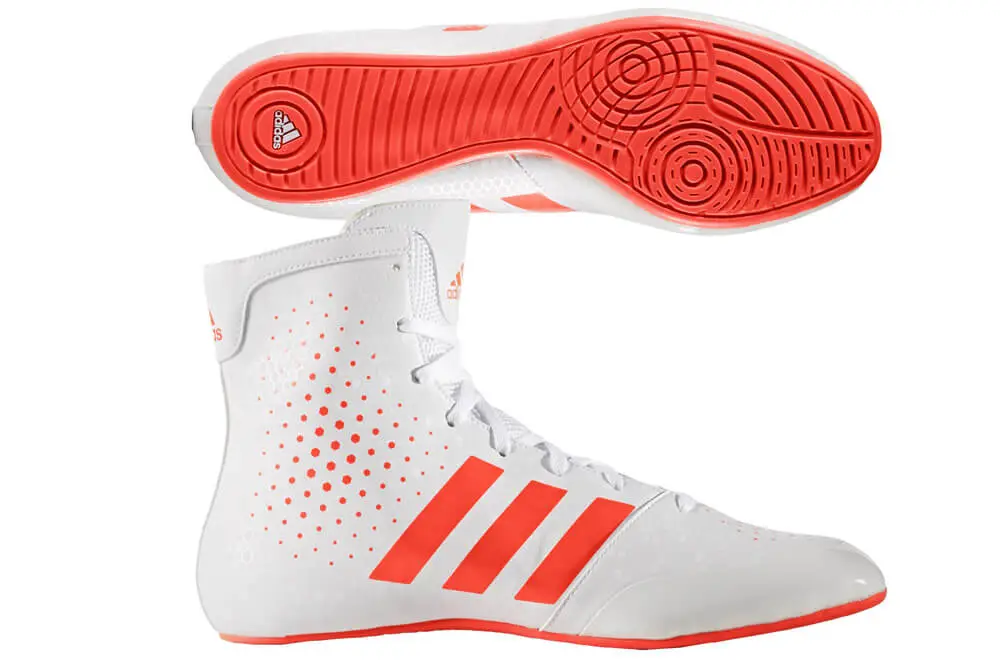
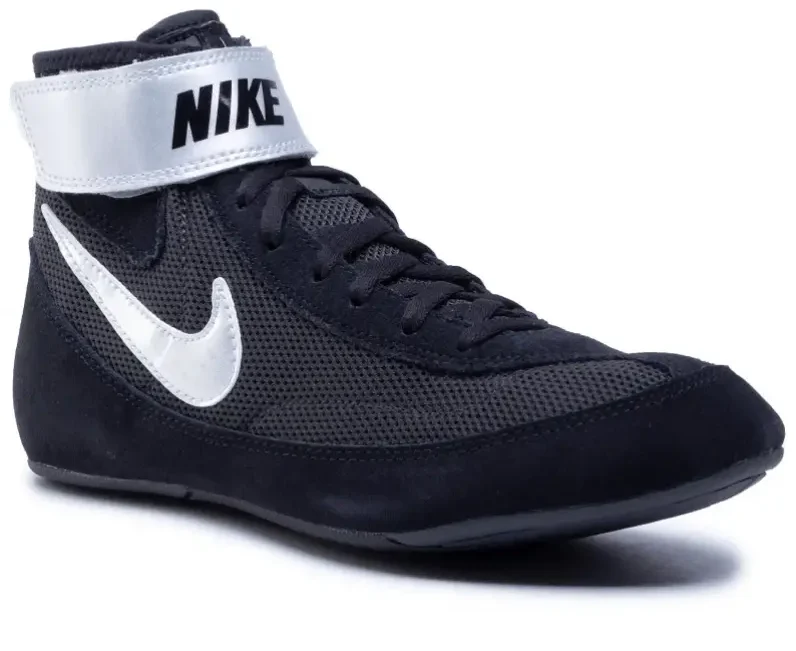
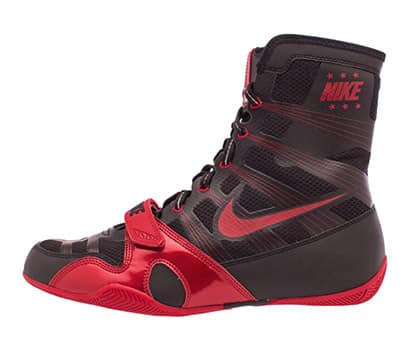
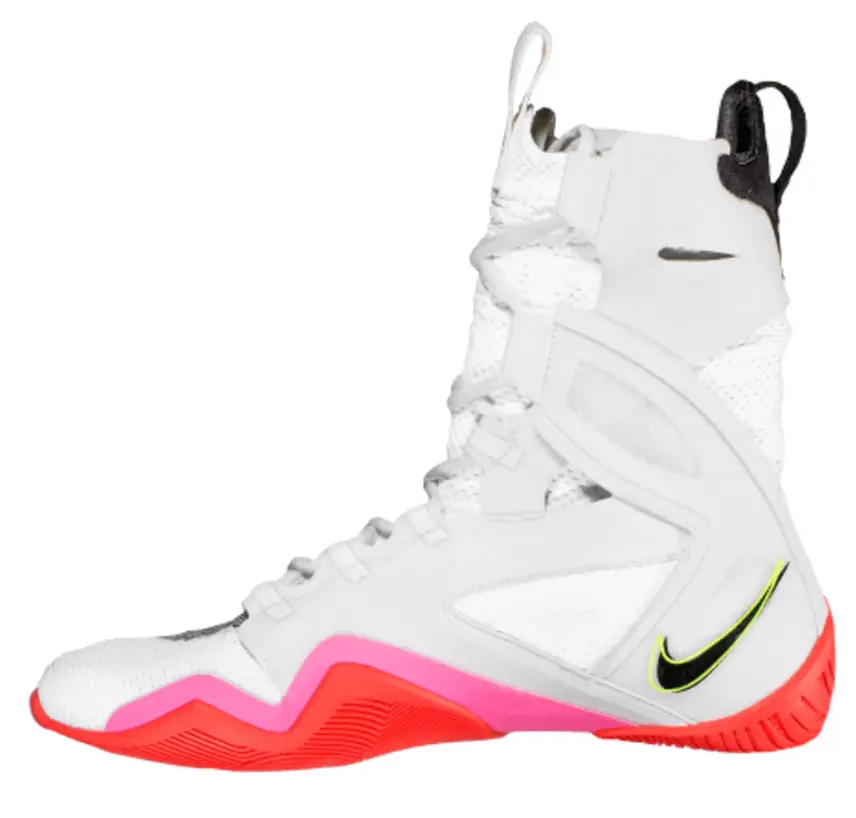
The market features a vast array of manufacturers catering to different preferences, ranging from mainstream athletic giants to boutique craftspeople. Nike remains the most dominant brand in the sport, widely favored by both amateurs and professionals. Models like the lightweight Nike Speedsweep and the high-top Nike HyperKO—popularized by figures like Manny Pacquiao—deliver high performance, durability, and a sleek aesthetic. While some users note that high-tops can occasionally feel loose around the ankle or rigid in the sole, Nike’s diverse lineup captures a massive share of gym floors globally.
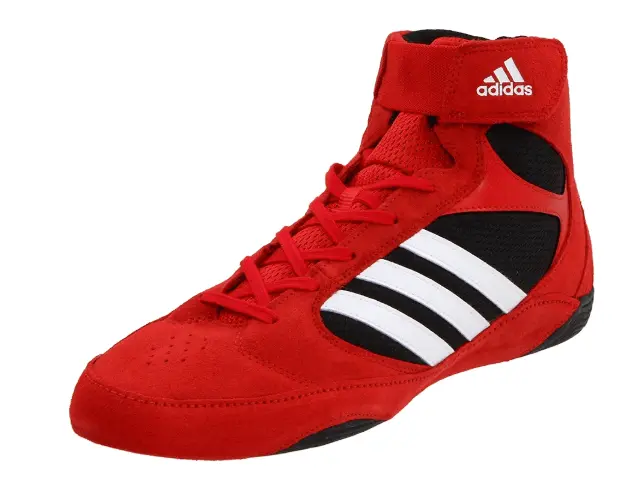
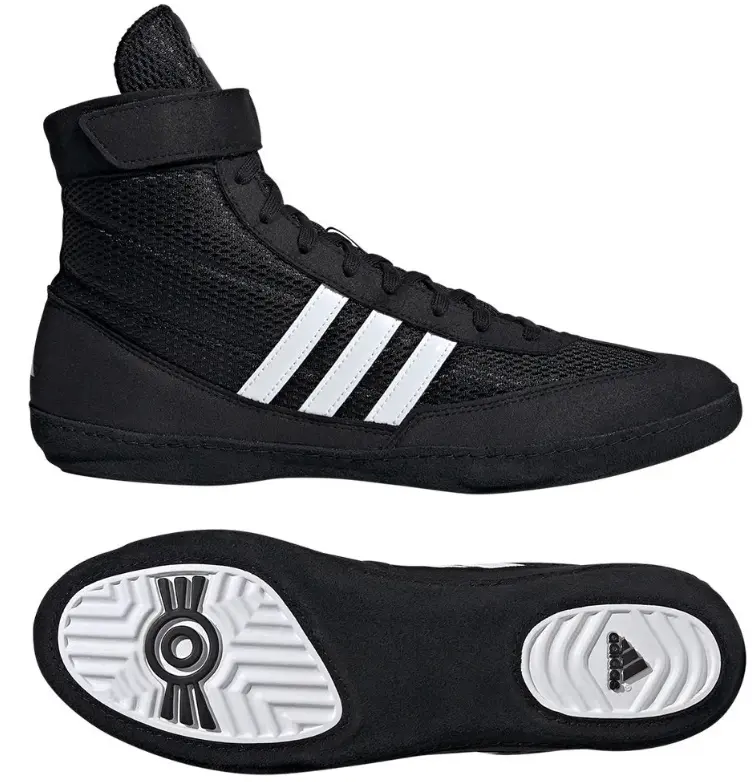
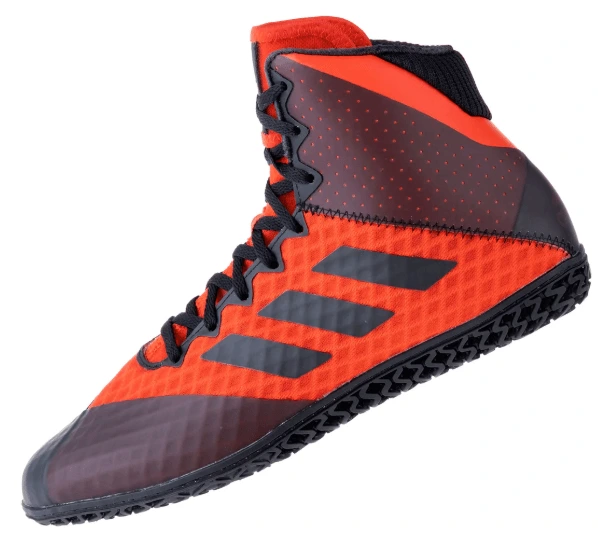
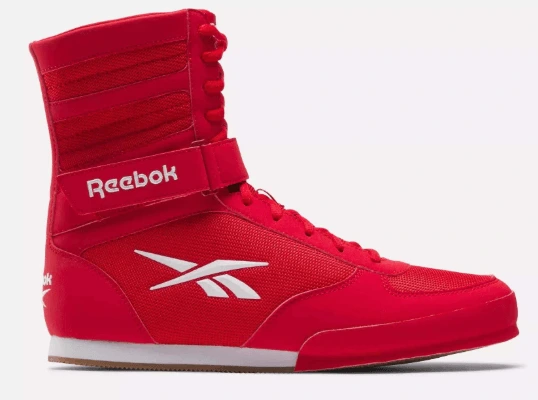
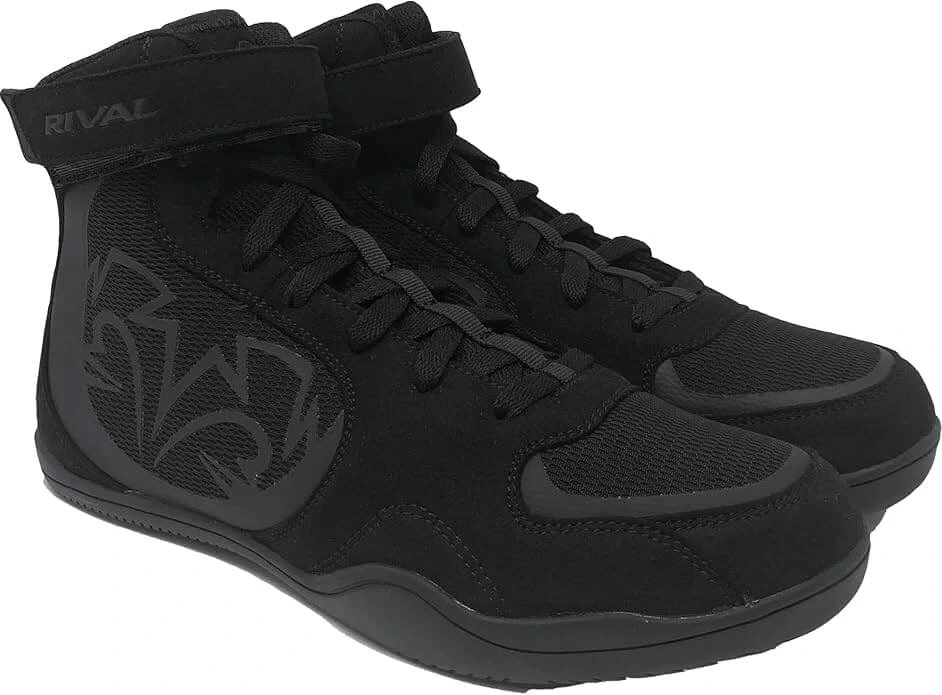
Alternative mainstream brands such as Adidas, Reebok, Rival, and Venum offer strong competition. Adidas provides popular options like the Speedex and Combat Speed lines, which are well-received across Europe and North America. Reebok has entered the professional spotlight with models worn by elite fighters like Floyd Mayweather and Amir Khan, though reviews often note a narrower fit. Rival delivers sturdy alternatives with notable ankle support, such as the RSX high-tops, though they tend to carry a slightly heavier footprint than competitors like the Nike HyperKO. Meanwhile, newer market entrants like Venum aim to capture premium segments with adaptive, lightweight designs.
At the artisanal end of the spectrum, traditional Mexican brands such as Cleto Reyes, Seyer, and Adams offer alternatives constructed from premium leather rather than synthetic mesh and rubber. While traditional leather models often require a break-in period and lean toward a classic retro aesthetic, they provide exceptional durability and hand-crafted quality. Cleto Reyes high-tops, equipped with convenient side zippers, remain a staple for fighters seeking traditional craftsmanship and reliable ankle stability.
Luxury and boutique options represent the pinnacle of footwear engineering, catering primarily to serious competitors and professionals willing to invest heavily in custom gear. Winning boxing shoes, manufactured in Japan, are renowned for an ultra-lightweight, near-weightless feel, though preferences among purists vary. Mizuno shoes, also crafted in Japan, offer exceptional sleekness and grip, making them a favorite among elite fighters like Saul "Canelo" Alvarez. At the ultra-luxury level, hand-crafted Italian options from makers like Di Nardo utilize the finest leathers and bespoke craftsmanship, delivering unmatched comfort and customized design for discerning athletes.
On the more affordable side of the spectrum, brands like Asics provide reliable wrestling shoes that double effectively for boxing due to their flat, low-profile designs. Models such as the JB Elite and Matflex series offer high performance at accessible price points, making them a popular alternative to dedicated boxing lines. Conversely, traditional multi-sport brands that focus primarily on consumer-grade fitness equipment—including Everlast, Ringside, Title Boxing, and Lonsdale—often receive mixed reviews regarding long-term durability, structural comfort, and quality control, leading many experienced trainers to steer clear of them for serious ring work.
Ultimately, the choice of boxing shoe comes down to individual anatomy, including foot width, arch height, ankle strength, and personal preference regarding sole thickness and weight. As fighters continue to test and compare models across amateur and professional gyms, selecting the right footwear remains an essential step in optimizing balance, power, and safety inside the ring.