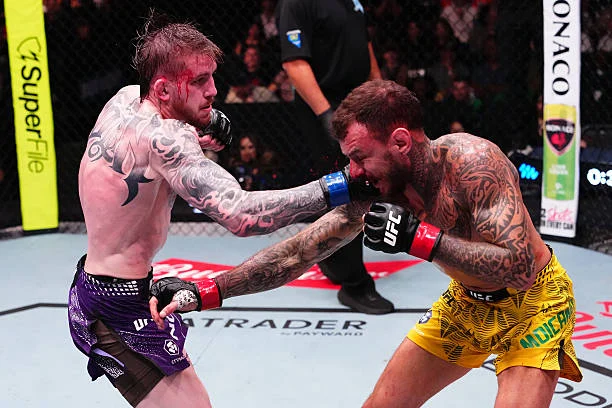

The world of competitive and recreational martial arts demands an exceptional degree of physical capability. Practitioners across disciplines such as Muay Thai, Brazilian Jiu-Jitsu, and traditional boxing push their bodies through rigorous regimes that require high levels of agility, raw strength, and profound cardiovascular endurance. Yet, this high-intensity environment inherently carries a significant risk of physical trauma. Maintaining a proactive approach to injury prevention has consequently emerged as a central discussion point among coaches, medical professionals, and athletes who view bodily preservation not merely as a precaution, but as a critical requirement for long-term athletic success, consistent developmental progress, and overall health.
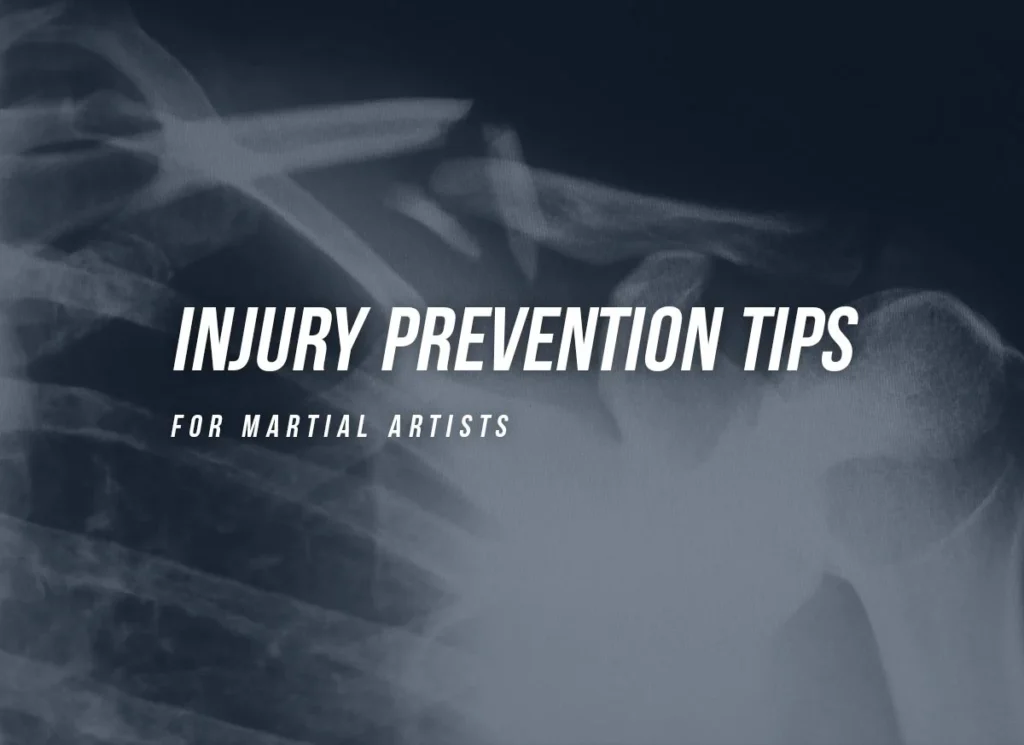
When physical setbacks occur, they do more than just halt an individual’s immediate training schedule. Unmanaged or poorly rehabilitated injuries frequently cascade into more serious, chronic musculoskeletal conditions that can prematurely derail an athlete’s career or permanently limit their range of motion. Recognizing these stakes, fitness and combat sports analysts increasingly emphasize that sustainable athletic longevity relies heavily on integrating structured preventative measures into daily routines. By identifying and mitigating common risk factors before they manifest as clinical trauma, martial artists can continue to train safely and effectively while maintaining peak physical performance in their chosen discipline.
Warm-Up and Stretch Before Every Session
Among the most fundamental yet frequently overlooked elements of physical preparation is the implementation of a comprehensive warm-up and stretching routine. Physiologically, engaging in combat sports without preparing the cardiovascular and muscular systems for high-impact exertion significantly elevates the susceptibility of muscle strains and ligament sprains. A properly executed warm-up systematically increases core body temperature, enhances blood flow to primary muscle groups, and improves the elasticity of soft tissues, allowing them to absorb sudden kinetic energy much more effectively during sparring or pad work.
Athletes who neglect these introductory minutes often find their muscles stiff and unresponsive, leading to compromised biomechanics and an immediate spike in injury risks. Integrating dynamic movements, mobility drills, and targeted activation exercises into the beginning of every training session establishes a vital biological buffer. Making this ritual a non-negotiable component of daily preparation remains one of the simplest yet most effective methods to keep acute physical trauma at bay.
Use the Right Protective Gear
In nearly every striking and grappling discipline, the deployment of appropriate protective equipment serves as a vital safeguard for athletes at all levels of experience. From beginner classes to elite training camps, even the most skilled martial artists rely heavily on specialized gear to absorb and disperse the heavy impact forces characteristic of combat sports. Equipment such as properly fitted headgear, mouthguards, shin guards, and grappling gloves functions as the primary line of defense against concussions, lacerations, and joint damage.
However, possessing protective equipment is only half the battle; ensuring that gear is well-maintained and correctly fitted is equally critical. Loose, worn-out, or poorly manufactured equipment loses its structural integrity, diminishing its protective capacity and potentially introducing new hazards during intense training scenarios. Far from being viewed as a sign of physical weakness, the conscientious use of reliable protective gear represents a strategic investment in athletic longevity. It demonstrates the wisdom required to pursue high-level performance without courting avoidable, career-altering trauma.
Focus on Proper Technique
Mastering correct biomechanics and movement patterns stands as a core pillar of injury prevention across all martial arts. Whether an athlete is executing crisp boxing combinations, transitioning through complex ground-fighting techniques, or throwing high-velocity roundhouse kicks, flawed execution remains one of the leading catalysts for acute and chronic training injuries. When movements are performed with poor form, unnatural loads are placed on vulnerable joints, tendons, and ligaments, creating an environment ripe for repetitive strain and traumatic failure.
Focusing intensely on the finer details of technique not only elevates a martial artist’s overall effectiveness and efficiency inside the ring or on the mats, but it also drastically mitigates physical wear and tear. Coaches continually stress that repetition alone is insufficient; it is the constant refinement of proper form under guidance that protects the body from the cumulative damage caused by poor execution. By prioritizing technical mastery over raw power or speed, practitioners build a resilient physical foundation capable of withstanding the rigors of advanced training.
Allow Adequate Recovery Time
While active training receives the lion’s share of attention, the physiological reality of combat sports dictates that rest and recovery are just as crucial as time spent on the mats. Injury prevention in martial arts extends far beyond the active hours of physical exertion; it encompasses how an athlete manages downtime, sleep, and nutritional replenishment. Overtraining stands out as a primary driver of physical breakdown, systematically inducing excessive fatigue, muscular imbalances, and persistent low-level inflammation that can easily escalate into severe, chronic medical conditions.
When the body is denied sufficient time to repair micro-tears in muscle tissue and replenish energy stores, its structural integrity begins to fail. By deliberately prioritizing structured recovery periods, athletes foster an environment where consistent training becomes possible without the looming threat of sudden physical collapse. Proper rest schedules enable faster overall progression and ensure that the cumulative toll of hard training does not outpace the body’s natural healing capabilities.
Listen to Your Body
One of the most subtle yet indispensable principles in athletic self-preservation involves learning how to interpret and respond to the body’s internal feedback mechanisms. In the high-stakes, highly competitive culture of martial arts, practitioners frequently feel immense pressure to ignore minor aches and pains in pursuit of faster gains and competitive advantage. However, pushing aggressively through these early warning signs often transforms manageable discomfort into debilitating structural trauma.
Developing the discernment to distinguish between the normal, positive discomfort associated with productive physical conditioning and the sharp, localized pain of an developing injury is a vital skill. This awareness often draws the line between a brief, precautionary training hiatus and a lengthy, frustrating layoff from the sport. Tuning into these physiological signals allows athletes to adjust their training intensity proactively, addressing small issues before they require intensive medical intervention.
Ultimately, the pursuit of excellence in martial arts requires a delicate balance of intense physical conditioning, mental fortitude, and rigorous self-care. Without a committed focus on systematic injury prevention, even the most promising athletic trajectories can be abruptly cut short. By diligently integrating proper warm-up protocols, utilizing high-quality protective equipment, refining technical execution, respecting the necessity of recovery, and remaining deeply attuned to physical feedback, martial artists can significantly mitigate their risk profile. Through these practices, athletes safeguard their physical well-being, ensuring that they can continue to pursue their martial arts journey with consistency, health, and sustained passion over the long term.