

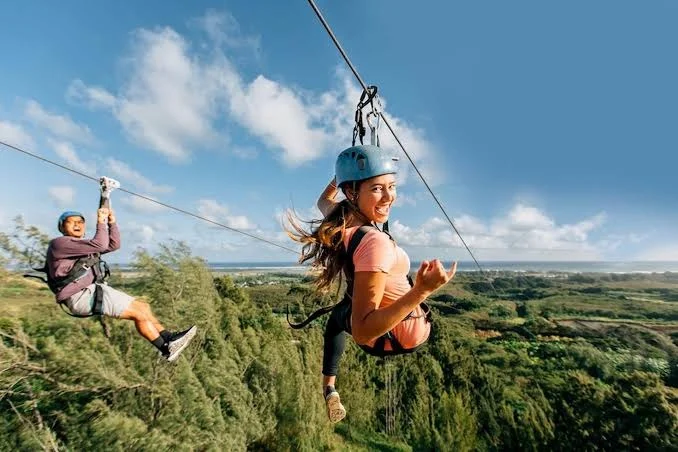
Ziplining is frequently marketed as the ultimate adrenaline rush, combining the serene beauty of a canopy view with the heart-pounding thrill of high-speed flight. For millions of vacationers and adventure seekers every year, stepping off a wooden platform and gliding above the treetops feels like pure, unadulterated fun. You clip in, take a breath, and soar across cables at what can feel like a hundred miles an hour. Yet beneath the veneer of effortless recreation lies a serious, high-velocity sport that involves extreme heights, complex cable networks, heavy-duty mechanical equipment, and—crucially—a sudden, abrupt stop at the end of the line. When any single component in this high-tension equation fails, things can go wrong in a matter of seconds.
Emergency rooms across the country encounter ziplining injuries with unfortunate regularity. Many of these emergency visits involve tourists or casual vacationers who simply wanted to try out a new, exciting attraction during a seasonal getaway. Developing a clear understanding of the injuries that show up most often can help prospective riders evaluate the hidden risks before they book their next high-altitude adventure.
The Injuries That Show Up Most Often
When accidents happen on a zipline course, the resulting physical trauma can span a wide range of severity, from minor scrapes to life-altering damage. Medical professionals point to broken bones as the single most common injury associated with ziplining accidents. Wrist and forearm fractures consistently top the list, a phenomenon largely driven by human instinct. When riders experience a rough landing, swing unexpectedly, or face a sudden fall, they instinctively reach out with their arms to brace themselves against a platform, a tree, or the ground, absorbing the full impact with their upper extremities.
In addition to arms and wrists, ankles, legs, and collarbones frequently bear the brunt of bad landings. These injuries often occur when a rider comes into the landing zone traveling at an excessive velocity and fails to brake smoothly or effectively at the terminus of the line. Arm fractures, in particular, are notably common among children, who may lack the upper-body strength, physical coordination, or reaction time required to manage an awkward, high-speed landing or handle the physical feedback of the braking system.
Following closely behind fractures are soft-tissue injuries, including sprains and strains. A twisted ankle or a wrenched knee sustained on a landing platform might sound like a routine mishap at first glance, but severe ligament tears often require surgical intervention and months of rigorous physical therapy to achieve full recovery. Because the human body is suspended in a harness and subjected to intense physical forces and abrupt jerking motions during the braking process, shoulder injuries are also a frequent complaint among participants.
Head and neck injuries occur less frequently than broken bones, but they represent a far more dangerous category of trauma. A rider who loses control and collides with a stationary object—such as a structural post, a tree trunk, or the platform itself—can easily suffer a concussion or a severe traumatic brain injury. The neurological effects of these head injuries are often insidious, failing to manifest immediately after the impact. Victims may experience delayed symptoms such as persistent headaches, dizziness, confusion, memory trouble, and sudden mood changes hours or even days after the incident. Whiplash is another common consequence of sudden braking, which can snap the neck violently forward and backward.
Simultaneously, riders frequently sustain cuts, bruises, and friction burns caused by ropes or poorly adjusted harnesses. A harness that is improperly fitted or incorrectly sized can pinch, chafe, or dig deeply into the skin, resulting in severe bruising or painful abrasions. Furthermore, riders who slide, stumble, or tumble across rough terrain, gravel, or woodchips at the conclusion of a run frequently pick up deep scrapes and lacerations that demand professional medical attention.
At the most catastrophic end of the medical spectrum are spinal injuries. A fall from a significant height or a high-impact collision can fracture vertebrae, leading in the worst-case scenarios to partial or total paralysis. While these catastrophic accidents do not occur with the same frequency as minor fractures or sprains, they possess the devastating power to alter a person’s life in a fraction of a second, resulting in staggering medical bills, extensive long-term care needs, and permanent disability.
Why Ziplining Accidents Happen
A thorough examination of ziplining mishaps reveals that many accidents are rooted in equipment failures and inadequate maintenance protocols. The physical infrastructure of a course—including steel cables, pulleys, mechanical brakes, and fabric harnesses—experiences relentless wear and tear over time. A commercial operation that fails to conduct rigorous, routine inspections of these critical components runs the risk of experiencing a catastrophic part failure at the worst possible moment.
A single loose bolt, a microscopic fray in a high-tension steel line, or a worn carabiner can spell disaster, potentially sending a participant crashing to the ground from a dangerous height. Similarly, platforms and braking mechanisms must be engineered, constructed, and tested with precision. A braking system that fails to decelerate a rider adequately can easily precipitate a high-speed collision at the end of the run.
Beyond hardware, human error plays a profoundly significant role in the safety of commercial zipline operations. Tour guides who lack proper, comprehensive training may commit critical errors, such as clipping a rider into a line incorrectly, skipping mandatory pre-ride safety checks, or failing to clearly explain proper braking and landing techniques. Facilities that operate understaffed or rush to push large volumes of tourists through a course to maximize ticket sales often cut corners on safety protocols, creating an environment where dangerous mistakes can easily slip through.
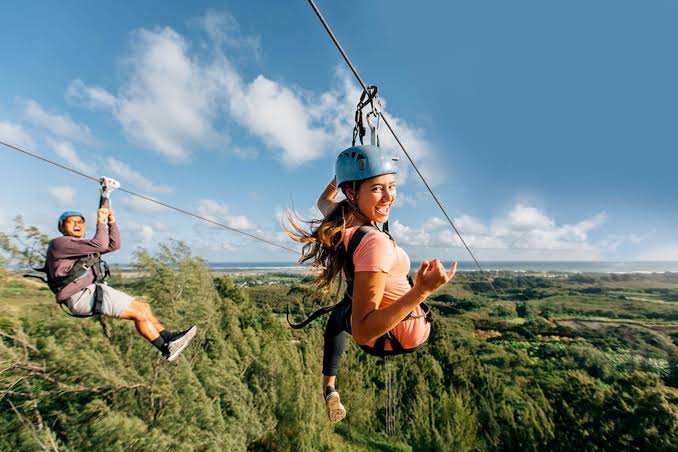
Rider weight is yet another vital variable that operators must manage carefully. A participant who falls below the optimal weight threshold for a particular span might stall halfway across the line, leaving them dangling high above the ground. Conversely, a heavier rider will travel down the cable at a significantly higher velocity, making it much harder to control speed and increasing the likelihood of overshooting the landing zone entirely.
Environmental conditions—including shifting winds, sudden rainstorms, and wet cables—further complicate the physics of the ride, altering how fast a participant moves along the span. Fallen branches, unmanaged brush, or poorly cleared trees along the designated route can introduce unexpected physical hazards. Reputable courses are expected to maintain strict, unambiguous guidelines regarding when weather conditions necessitate a temporary shutdown, and they must adhere to those safety rules even during peak tourist seasons when financial pressure to stay open is high.
Finally, the broader regulatory landscape introduces significant variability into the industry. Safety regulations and oversight standards for zipline operators vary drastically from one state to another, and certain jurisdictions maintain very limited regulatory oversight. Consequently, the safety of a given course often depends entirely on the ethical commitment and diligence of the individual company operating it.
What to Do and When to Seek Legal Advice After a Zipline Injury
For anyone unfortunate enough to suffer an injury while ziplining, prioritizing immediate health and medical evaluation remains the absolute priority. Even if an injury appears minor or superficial in the immediate aftermath, victims should seek professional medical care without delay, as concussions, internal trauma, and soft-tissue damage frequently require hours or days to fully manifest symptoms.
On-site, injured parties should ask the facility staff to file a formal incident report and request a physical or digital copy for their records. Gathering evidence is crucial; individuals should take clear photographs of the surrounding area, the safety equipment involved, their visible injuries, and any structural elements that appear damaged, poorly maintained, or unsafe. Collecting the names and contact information of any witnesses, as well as the specific tour guides on duty that day, can provide vital testimony later.
Preserving any documentation that connects the individual to the commercial experience is equally important. Riders should save their paper or digital tickets, purchase receipts, booking confirmation emails, and copies of any liability waivers they were required to sign prior to the ride. It is entirely natural for an injured person to wonder whether signing a waiver completely bars them from pursuing a legal claim. The legal reality is complex, depending heavily on state law, the specific language of the document, and the exact factual circumstances of the accident.
Courts across many jurisdictions refuse to enforce liability waivers if an operator is found to have exhibited gross negligence or violated established safety codes and laws, though such an outcome is never guaranteed. Reviewing the exact contractual language with an expert can clarify what the document truly entails. Many injured riders ultimately consult with a skilled personal injury lawyer, such as those at Thomas Law Offices, to explore their legal options, particularly when the physical injuries are severe, long-lasting, or the root cause of the accident remains ambiguous.
A qualified personal injury lawyer can independently review maintenance logs, staff training credentials, and historical safety inspection records of the commercial course, helping to determine whether the objective facts support a formal legal claim. If a claim is successfully pursued, available compensation can cover a broad spectrum of damages, including mounting medical bills, lost wages from missed work, ongoing physical rehabilitation, compensation for pain and suffering, and other financial losses directly tied to the incident.
Victims must also remain mindful of strict legal deadlines. Every state establishes a specific statute of limitations for personal injury claims, and in some jurisdictions, that legal window can be as short as one or two years from the date of the accident. If a minor child sustained injuries during the excursion, a different set of legal rules and timelines may apply, though these regulations vary widely and should never be assumed without professional guidance. Taking prompt action is vital not only for compliance with legal statutes but also to preserve physical evidence, as cables, harnesses, and structural gear can quickly be repaired, replaced, or misplaced by operators.
Ultimately, ziplining does not inherently have to be a dangerous activity, and a multitude of well-managed, safety-conscious courses continue to offer safe, breathtaking, and memorable outdoor experiences. Choosing a reputable operator with a proven track record, listening carefully to all pre-ride safety instructions, and speaking up immediately if something appears amiss can make a profound difference. For those who do suffer an injury, properly documenting the sequence of events and seeking immediate medical attention will establish the strongest possible foundation for whatever challenges lie ahead.