

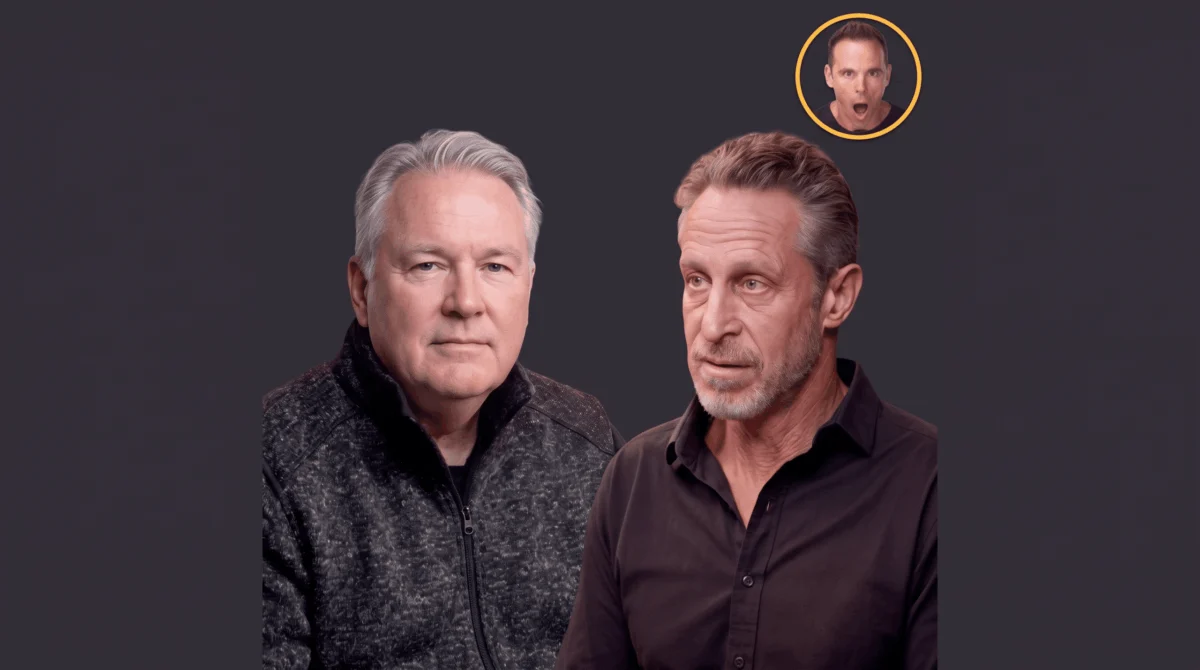
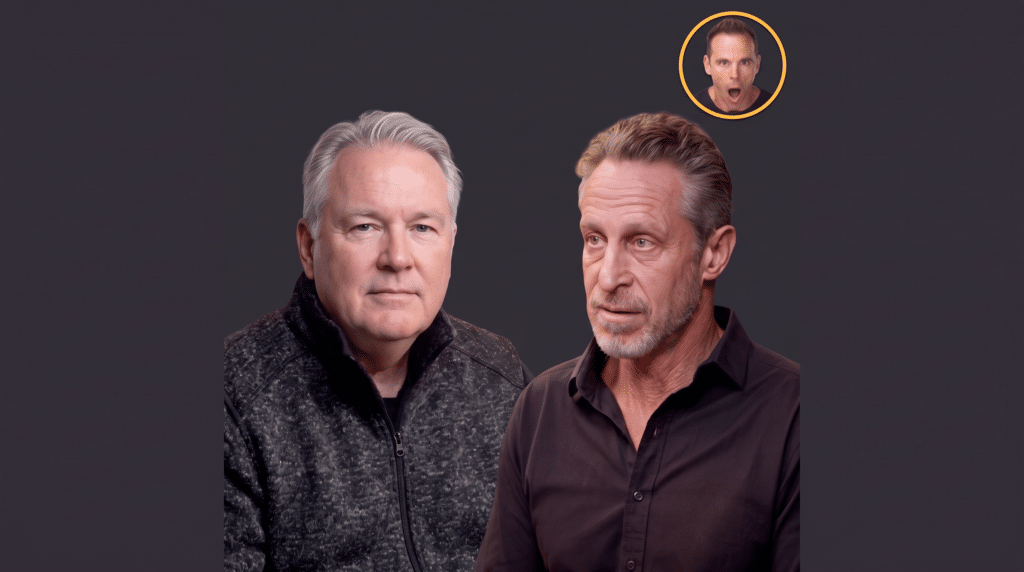
Jeffrey Bland sits across from fellow pioneer Dr. Mark Hyman with a kind of quiet intensity that belies his 79 years. His biological age sits firmly at 62. His testosterone levels rival those of men half his age, and his systemic inflammation markers are virtually undetectable. For five decades, the man widely recognized as the father of functional medicine has transformed his own body into a living laboratory for human longevity. What he has discovered along the way challenges conventional medical wisdom and could fundamentally reshape how modern society approaches aging, immune health, and chronic disease.
Bland did not stumble into his remarkable state of health by accident. As a pioneering nutritional biochemist, he has monitored his clinical chemistries more meticulously than perhaps any human alive, tracking decades of granular data detailing how lifestyle interventions and dietary choices directly influence core biomarkers. The results speak volumes. At an age when a significant portion of the population manages multiple debilitating chronic conditions, Bland’s comprehensive bloodwork resembles that of someone navigating their 40s.
"It’s about how do you maximize the genetic potential that lies within your genome to be the best person you can be?" Bland reflects.
Both his father and grandfather passed away at the age of 73. Bland has not only comfortably surpassed that familial milestone, but he has done so while launching a biotechnology startup, Big Bold Health, focusing his waking energy on immune system rejuvenation rather than thoughts of retirement.
The Man Who Made His Body a Science Experiment
Bland’s journey into the upper echelons of nutritional science took a pivotal turn in 1981, when two-time Nobel Prize winner Linus Pauling walked directly into his medical research laboratory in Bellevue, Washington. Pauling had been following Bland’s early lectures and research papers and extended an invitation to spend a sabbatical year or two at the prestigious Linus Pauling Institute near Stanford University.
Those two transformative years immersed in orthomolecular medicine—the practice of using nutrition to optimize biochemical reactions in the human body—set the trajectory for the rest of Bland’s career. As Bland prepared to eventually leave the institute, Pauling posed a profound question that would define his next chapter: "Do you think your classroom is big enough?"
The inquiry prompted Bland to make a decision that initially shocked his academic parents. He resigned his tenured faculty position to build a venture dedicated to teaching practicing physicians how to apply nutritional medicine in clinical settings. His father, stepping out of retirement, handled corporate business matters; his mother served as a copy editor; and his wife managed corporate development. Together, they laid the foundational stones of what would eventually blossom into the global functional medicine movement.
Why Your Immune System Holds the Key to Everything
After spending forty years investigating the root causes of chronic illness, Bland landed on a biological reality that changes everything: the human immune system regenerates completely every 120 days. Every single minute, the healthy body produces over two million new white blood cells.
The critical medical question, however, is whether these newly minted cells are functionally superior or inferior to the ones they are replacing. For a vast majority of aging individuals, the answer trends toward the latter. This insidious decline is called immunosenescence, a process where the immune system ages chronologically faster than the rest of the body.
"Do you realize that when you are ill and your immune system is activated that 50% of your metabolic energy is being consumed by your immune system?" Bland asks. "If you have impaired mitochondrial function, your immune system is tired. It’s worn out."
This intimate connection between cellular mitochondrial health and immune competence helps explain why populations in nations like the United States fared so poorly during the COVID-19 pandemic. Despite comprising a mere four percent of the global population, the United States accounted for an outsized sixteen percent of total cases and deaths. Epidemiologists and functional medicine experts point out that the primary culprit was not chronological age alone, but rather widespread immunosenescence, with millions of Americans arriving at the pandemic already in a state of chronic systemic inflammation and immunological compromise.
The Elimination Diet That Changes Everything
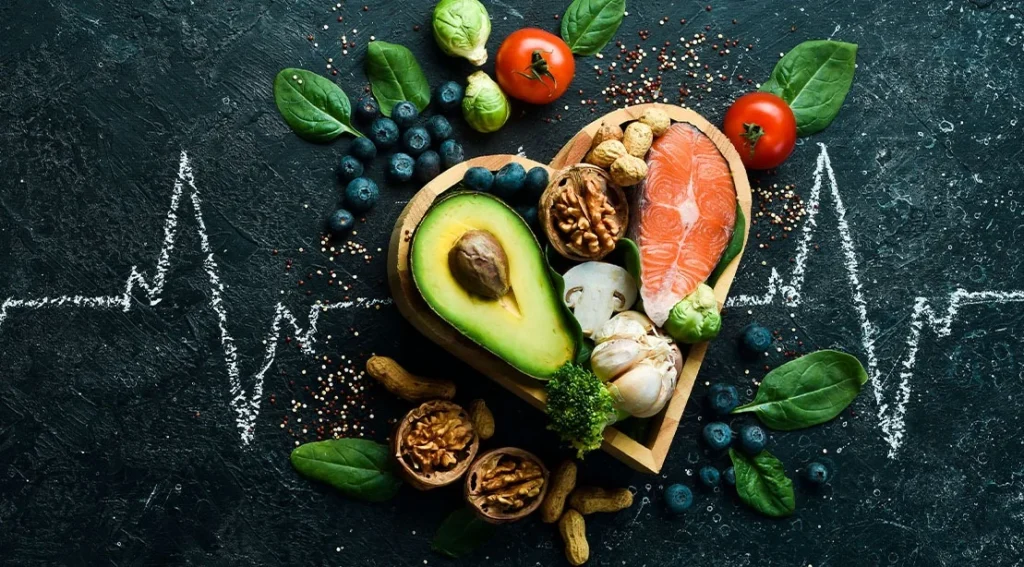
In discussing clinical interventions, Dr. Mark Hyman frequently recounts one of the most powerful protocols in functional medicine: a short-term dietary reset often described as a detox diet, though practitioners prefer to view it simply as an addition protocol focused on removing inflammatory triggers and introducing nutrient-dense whole foods.
Clinical observations reveal striking outcomes. On average, participants undergoing the protocol experience an astonishing seventy percent reduction in symptoms across a wide array of chronic complaints within just five days. Migraines vanish, stubborn joint pain disappears, lingering digestive issues resolve, and clinical depression lifts. In one workshop setting, a participant’s cumulative symptom score plummeted from an alarming 132 down to 30 in less than a week.
"It sounds like snake oil, but the shocking truth is it actually works," Hyman notes, acknowledging the skepticism often greeting such rapid clinical shifts. "And we don’t completely know how it works."
The scientific groundwork for these transformations was established decades ago. Back in 1991, Bland published groundbreaking research examining this precise clinical phenomenon. His study followed eighty subjects, fifty of whom were placed on an intervention program rich in phytochemicals while eliminating common dietary allergens, gluten, added sugars, and dairy products. The active treatment group experienced approximately a sixty percent reduction in subjective symptoms compared to control subjects.
Using specialized diagnostic tools like the lactulose-mannitol test to measure gut permeability alongside evaluations of liver detoxification pathways, the research revealed a revolutionary insight: the gastrointestinal tract connects intimately to the immune system, which communicates with the liver, which in turn speaks directly to the brain through circulating biochemical messengers. This early empirical work provided the architectural framework for functional medicine as a comprehensive systems biology approach to patient care.
Three Pillars That Changed Modern Medicine
Over decades of clinical practice and education, Bland and his colleagues developed three core clinical tools that have since become cornerstones of functional medicine worldwide.
The first is the gut restoration framework, originally structured as the 4R program and later expanded to the 5R protocol. The methodology centers on removing pathogens and dietary irritants, replacing missing digestive enzymes, reinoculating the intestinal tract with beneficial microbial strains, and actively repairing the compromised gut lining. Because a commanding majority of the human immune system resides directly within the gut wall, addressing mucosal health is essential. When the delicate microbiome slips into dysbiosis and the intestinal barrier becomes excessively permeable—popularly termed leaky gut—foreign antigens from food particles and microbes leak into the bloodstream, triggering widespread immune havoc. Bland was lecturing on dysbiosis and intestinal permeability as early as 1985, long before mainstream gastroenterology accepted the concepts.
The second pillar involves metabolic detoxification. The human liver processes myriad molecules absorbed from the gut through structured Phase 1, Phase 2, and Phase 3 detoxification pathways, converting potentially harmful compounds into safe, water-soluble byproducts for excretion. Understanding how specific micronutrients and dietary phytochemicals regulate these complex enzymatic pathways has become vital in an increasingly toxic modern world where individuals face mounting environmental chemicals alongside internal metabolic waste.
The third pillar focuses on mitochondrial resuscitation. Introduced by Bland to physicians back in 1990, mitochondrial bioenergetics targets the cellular powerhouses responsible for energy production. The cells working the hardest to keep humans alive contain the highest concentration of these organelles; cardiac muscle tissue, for instance, is roughly seventy percent mitochondria by volume, and brain neurons pack densely with them. When mitochondria grow tired, damaged, or dysfunctional, the downstream consequences are severe. Modern researchers now link persistent mitochondrial deficits to a sweeping array of conditions, ranging from neurodegenerative disorders and metabolic syndrome to psychiatric illnesses like schizophrenia and bipolar disorder.
Food as Information for Your Genes
Recent advances in molecular biology have confirmed a profound shift in how nutritional scientists view the human diet: phytochemicals do not merely provide raw calories or structural building blocks; they function as active genetic regulators, communicating directly with human DNA through the intricate mechanisms of the epigenome.
Think of human genes as piano keys—fixed, inherited, and largely unchangeable. The epigenome acts as the piano player, capable of generating an infinite variety of musical expressions from those exact same keys. The food we consume provides the underlying sheet music.
What has changed most drastically in the modern industrialized diet is the heavy influx of simple, high-glycemic starches and sugars coupled with the systematic elimination of natural plant pigments—thousands of unique polyphenols and flavonoids boasting distinct biological activities. Food manufacturers often compensate for these missing nutrients by introducing artificial dyes to make processed items visually appealing. Humans are instinctively drawn to these bright colors because, historically, brilliantly pigmented foods signaled the presence of health-promoting phytochemicals.
To better understand these ancestral relationships, Bland recently traveled to Greece, Portugal, and Morocco to study traditional dietary frameworks and meet the researchers behind the landmark PREDIMED study. This massive Spanish clinical trial followed seven,000 participants over extended periods, providing one group with a weekly liter of extra-virgin olive oil and another with a daily handful of nuts, contrasted against a control low-fat diet. The resulting data demonstrated positive protective benefits across a broad spectrum of health categories, including cognitive function, musculoskeletal integrity, metabolic regulation, and cardiovascular health.
Further underscoring the power of traditional foods, a recent study published in the journal Nature examined Tanzanian populations consuming traditional indigenous diets versus those who had adopted westernized eating patterns. Despite sharing identical genetic backgrounds, the two groups showed drastically divergent health outcomes. The westernized diet group exhibited marked inflammatory gene expression, elevated atherogenic lipoproteins indicating heightened cardiovascular risk, and developing insulin resistance. Conversely, those adhering to traditional diets maintained robust immune function and pristine metabolic profiles.
Training the Innate Immune System
For generations, immunologists believed the immune system was cleanly divided into two distinct branches: the adaptive system, which produces highly specific antibodies capable of long-term memory, and the innate system, which provides immediate first-line defense without any capacity for learning or adaptation. The innate immune system was long dismissed as genetically hardwired and functionally unchangeable.
Within the past decade, however, that dogma has completely crumbled. Cutting-edge research now demonstrates that the innate immune system can indeed be educated, trained, and significantly upgraded. This realization carries immense clinical importance because innate immunity concentrates heavily within mucosal surfaces—the gut, lungs, and nasal passages—where the body first makes contact with the outside world.
When frontline innate defenses fail, whatever slips past gains direct access to the adaptive immune system. An overwhelmed adaptive response can trigger severe systemic inflammation, such as the dangerous cytokine storms that characterized severe respiratory infections.
"You can fairly quickly train the innate immune system to be more resilient," Bland explains. "It doesn’t take months."
Specific dietary compounds, particularly polyphenols, play a principal role in this training process, effectively priming innate immunity and regulating the expression of defense-related genes. This discovery elevates the flavonoid family—long relegated to a minor footnote in standard nutrition textbooks—to a position of profound therapeutic significance.
Ancient Wisdom Meets Modern Science
Bland’s ongoing research initiatives through Big Bold Health focus heavily on Himalayan Tartary buckwheat, an ancient pseudocereal cultivated for millennia in the high-altitude regions of northern China and the Himalayas. Despite its name, the flowering plant bears no botanical relation to common wheat. Tibetan yak herders have long consumed roasted tartary buckwheat flour as a staple, while farming communities in Bhutan credit the resilient crop with supporting their overall population health.
Colonial settlers originally brought tartary buckwheat to North America because it thrived without requiring intensive irrigation or chemical fertilizers, possessing a built-in phytochemical defense system that naturally repels common agricultural pests. Over subsequent generations, however, American agriculture largely abandoned the crop in favor of higher-yielding varieties of wheat, soy, and corn.
Modern analytical science is now revealing why traditional cultures held the plant in such high regard. Tartary buckwheat contains exceptionally high concentrations of immune-regulating phytochemicals, with recent clinical trials indicating that targeted consumption can positively influence biological age and immune age markers in as little as 90 days.
Measuring What Matters
Traditional Western medicine has historically operated on a reactive model, waiting for overt disease pathologies to manifest before initiating treatment. Functional medicine, by contrast, seeks to detect subtle physiological dysfunction decades earlier along the continuum before clinical disease takes root.
The emergence of sophisticated new biomarkers makes this early detection possible. Research into the human "immunome"—the dynamic pattern of genetic expression across various immune cell components—correlates directly with long-term chronic disease risk. Recent landmark studies have successfully identified specific plasma biomarkers capable of signaling neurodegenerative conditions like Alzheimer’s disease decades before outward cognitive symptoms appear, offering a crucial window during which clinical intervention can meaningfully alter the disease trajectory.
From this perspective, conditions like Alzheimer’s represent a manifestation of chronic neuroinflammation, where amyloid plaques are not the primary root cause, but rather downstream biochemical artifacts of the brain attempting to manage ongoing inflammatory stress. Through advanced clinical testing platforms now available to the public, individuals can access comprehensive biomarker panels that reveal how specific lifestyle modifications reduce disease risk markers in real time.
The Paradigm Shift Happening Now
For decades, Jeffrey Bland faced substantial skepticism from conventional medical establishments for championing the concept of personalized, systems-based healthcare as the future of the industry. Critics routinely dismissed the approach as unscalable, overly idealistic, and practically impossible to implement at a population level.
The rapid maturation of the digital revolution has effectively dismantled those objections. By combining artificial intelligence with continuous wearable device data, comprehensive biometrics, and regenerative agricultural practices, modern healthcare is transitioning from an analog model to a digital one. The traditional image of a physician with a paper notepad is steadily giving way to AI-enabled clinicians capable of navigating massive individual datasets encompassing hundreds of biomarkers, thousands of metabolites, petabytes of microbiome information, and millions of genomic variants.
Academic medical centers are quietly establishing departments dedicated to metabolic and nutritional psychiatry. Major research institutions now receive substantial grant funding to study targeted nutritional protocols, such as ketogenic diets, for complex psychiatric conditions like schizophrenia and bipolar disorder. Ideas that were summarily dismissed as academic heresy just a few years ago now drive mainstream scientific inquiry.
At 79 years of age, Jeffrey Bland continues to challenge long-held assumptions about human biology. His life’s work demonstrates that chronic illness is not an immutable inevitability of growing older, that biological aging can be actively slowed or reversed, and that the immune system can be systematically rejuvenated rather than simply stimulated.
Food functions as true medicine when understood as a sophisticated form of biological information—specific molecular languages designed to converse directly with our genes and activate the innate healing systems encoded within our DNA. As Bland and his contemporaries continue to show, the paradigm shift in healthcare is no longer a distant theoretical horizon. It is already here.