
In the complex landscape of mixed martial arts, a fighter boasting a 15-2 record often appears to be an insurmountable favorite against an opponent standing at 12-5. On paper, the mathematical advantage seems definitive, pointing toward a clear narrative of dominance versus struggle. Yet, veteran analysts and observers understand that these raw numbers frequently mask a much deeper reality. A traditional record fails to reveal the caliber of the competition each athlete faced, the specific circumstances under which those victories and defeats occurred, or whether either competitor possesses the precise technical skill set required to exploit the other’s vulnerabilities.
Mixed martial arts is fundamentally about stylistic clashes, tactical adaptability, and situational execution. To truly understand how a bout might unfold, analysts must move past simple win-loss records and examine the underlying mechanics of each fighter. This involves scrutinizing combat styles, behavioral patterns across different rounds, training backgrounds, and the individual context of past performances. When viewed through this comprehensive lens, the anatomy of a fight reveals itself not as a static math problem, but as a dynamic chess match where context reigns supreme.
Evaluating the Quality of Previous Opponents
Not all victories carry equal weight in the professional rankings. An athlete who has constructed an impressive winning streak against inexperienced or lower-tier opposition will frequently find themselves overwhelmed when stepping into the cage against someone accustomed to the relentless pace of elite competition. Consequently, evaluating a fighter requires looking closely at the actual credentials of the opponents they have conquered in the past.
Consider a prototypical wrestler who has dominated numerous bouts simply by overpowering opponents with poor takedown defense. While this strategy yields impressive statistics on paper, that same athlete would likely encounter severe difficulties against an equally skilled opponent who possesses elite takedown defense and a strong sprawling technique. Similarly, a striker known for a high volume of knockouts may simply be benefiting from opponents who chronically leave themselves dangerously open to counterpunches.
Defeats must be examined with the same nuance. A hard-fought, split-decision loss against another top-tier contender in a competitive division reveals a tremendous amount about an athlete’s resilience, technical depth, and competitive ceiling. Conversely, a definitive blowout loss against an unknown or inexperienced fighter tells very little about what an athlete is truly capable of achieving under optimal conditions. This approach is not about dismissing victories or making excuses for losses, but rather about decoding what each individual performance actually communicates about a fighter’s readiness.
Comparing Tactical Approaches and Matchup Dynamics
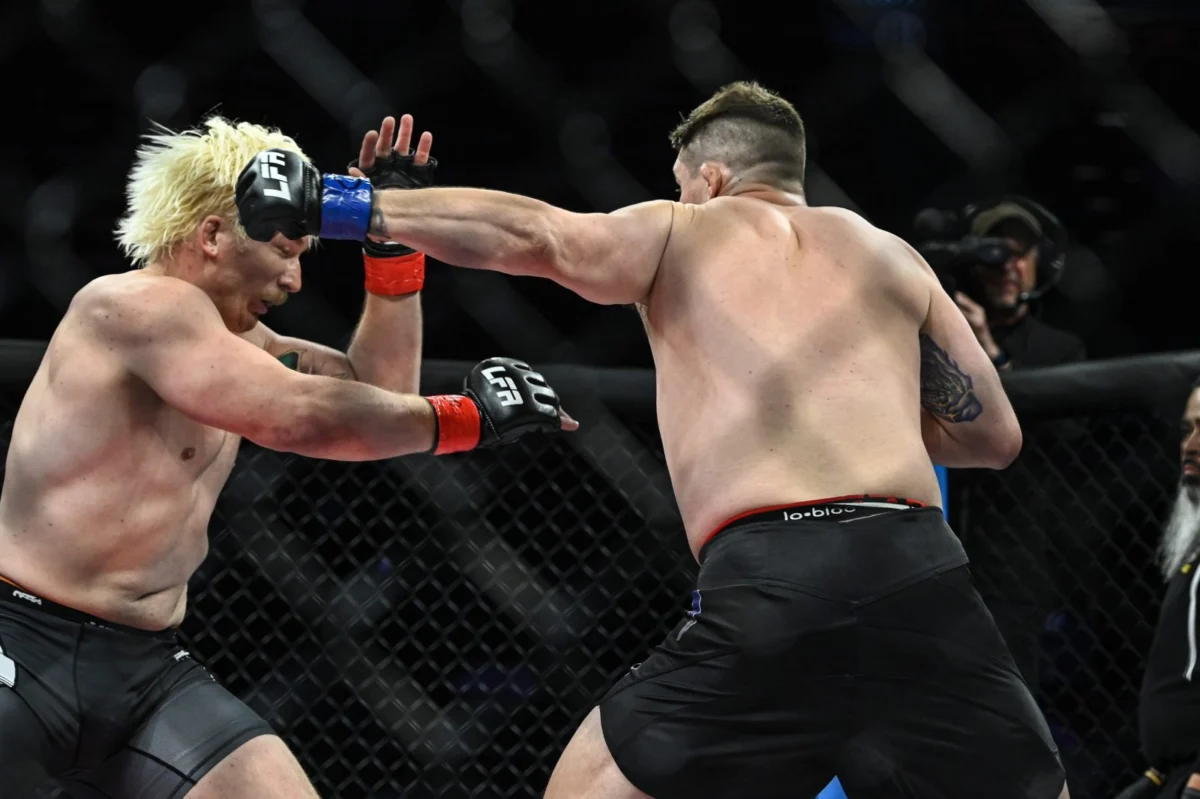
Analyzing an MMA matchup begins with identifying the core strengths of each athlete and understanding how they attempt to dictate the pace of a fight. Aggressive fighters typically look to move forward relentlessly, overwhelming their adversaries with high-volume striking combinations. Other competitors prefer to rely on precise footwork, distance management, and measured counterstriking to create openings. Meanwhile, wrestlers use punches to close the distance before initiating a takedown, whereas submission specialists seek to drag the fight to the canvas where they can hunt for dominant positions and finishes.
Before drawing firm conclusions, consulting various technical perspectives and pre-fight analyses can help illuminate aspects of the matchup that might otherwise be overlooked. Comparing technical observations with evaluations from established sports analysis platforms helps reveal whether an observer has missed a critical advantage or a hidden structural weakness. Furthermore, reviewing past bouts offers insight that goes far beyond raw statistics or pre-fight predictions. It is particularly illuminating to observe how a fighter reacts when faced with an opponent who actively negates their primary method of operation.
For instance, a striker who relies heavily on outside leg kicks will usually find success against an opponent who struggles to check them. However, that exact strategy can instantly backfire if deployed against an experienced grappler capable of catching a stray kick and seamlessly transitioning it into a takedown. Ultimately, evaluating a fighter’s potential requires assessing how effectively their specific skill set translates against a particular opponent, rather than merely contrasting the aggregate totals of two separate resumes.
Examining Striking Accuracy and Defensive Habits
A lower knockout ratio does not automatically designate an athlete as a deficient or purely defensive striker. Fighters with fewer stoppage victories can exhibit elite technical proficiency, demonstrating the ability to land clean combinations, manage optimal fighting ranges, and pace themselves without expending unnecessary energy.
Statistics such as significant strikes per minute must always be interpreted within the proper context. An athlete who spends the majority of a fight securing takedowns and maintaining top control will naturally register a lower striking accuracy percentage than a traditional kickboxer who remains standing. While the grappler’s floor game may be utterly dominant, the critical question remains whether that dominance translates into effective accuracy on the feet against seasoned strikers.
Defensive habits are equally critical to a fighter’s long-term success. Analysts must ask whether a competitor routinely drops their hands after unleashing a combination for an overhand, or if they instinctively retreat in a straight line after throwing a jab, thereby exposing their chin to a powerful hook. Such technical flaws may go completely unpunished against lesser competition, yet they can manifest as catastrophic vulnerabilities when facing an opponent sharp enough to exploit them.
Understanding What Grappling Statistics Leave Out
Grappling metrics can often be deeply misleading when viewed in isolation. One competitor might accumulate a high volume of successful takedowns yet struggle continuously to maintain top position once the fight hits the canvas. In contrast, another fighter might secure only a single takedown during an entire round, but spend the remainder of that frame landing heavy strikes from a dominant position and thoroughly controlling their adversary. These performances are fundamentally unequal.
Observers must pay close attention to how competitors establish positional control, advance through transitions, and defend against submission attempts while maintaining offensive momentum. Elite grapplers who are difficult to submit often exhibit a far more devastating ground-and-pound game than athletes who primarily hunt for quick submissions. Additionally, evaluating grappling statistics requires understanding a competitor’s background in cage wrestling. An athlete who displays stellar takedown defense in the center of the cage may crumble when forced backward against the fence by a relentless pressure wrestler.
Some savvy grapplers utilize the cage walls to pivot, wall-walk, and scramble back to their feet, while their adversaries lack the technical nuance to execute the same escape. These contextual factors ultimately dictate whether a favorable grappling statistic translates into genuine offensive output during a live contest.
Considering Conditioning, Weight Management, and Fatigue
An athlete’s physical conditioning exerts a profound influence on a bout long before outward signs of exhaustion become visibly apparent. Fatigue resulting from sustained grappling exchanges, defended takedowns, and prolonged clinch work consumes enormous reserves of energy. Consequently, a fighter who appears fresh and explosive at the end of the opening round may struggle significantly by the midpoint of the third frame, unable to execute techniques at their usual standard.
While some manifestations of fatigue are glaringly obvious, others are subtle yet decisive. As exhaustion sets in, punches tend to widen, defensive reflexes slow down, and competitors frequently accept bad positions that they would normally fight fiercely to reverse. Weight cutting introduces yet another layer of volatility. Although athletes are given designated time to rehydrate following official weigh-ins, severe weight manipulation can compromise physiological performance through fluid loss and diminished durability.
This dynamic underscores the reality that size alone does not determine the outcome of an MMA fight. A larger athlete must still sustain their energy reserves and technical execution throughout the entirety of the bout just as effectively as a smaller opponent.
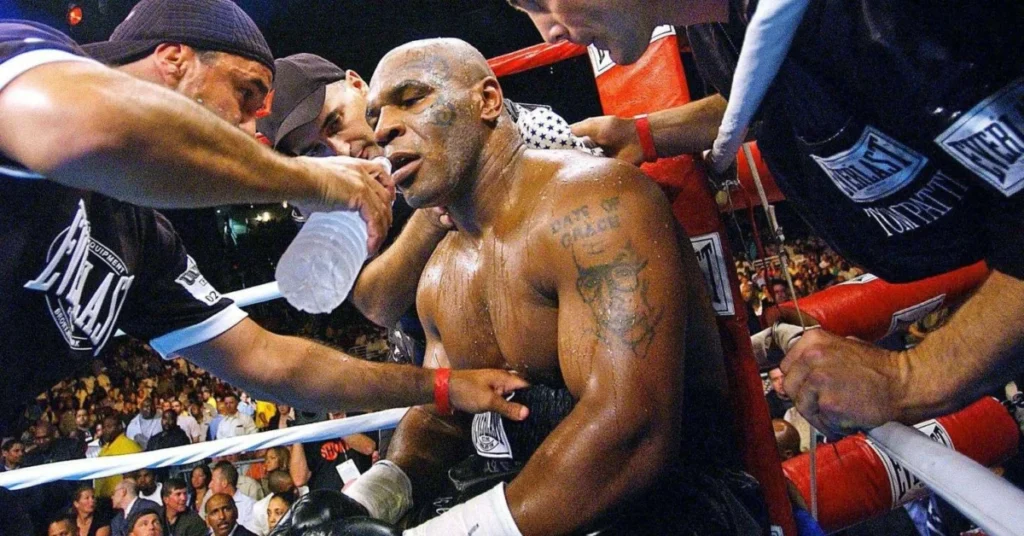
The Critical Role of Intermission Adjustments
Professional fighting is rarely static; it often requires immediate strategic adjustments once unforeseen problems arise inside the cage. For example, if an athlete is consistently troubled by an opponent’s straight jab during the opening round, they may alter their movement patterns in the second frame, incorporating advanced feints and shifting their offensive focus toward the lead leg of their adversary.
However, making tactical adjustments does not guarantee success. The primary objective of mid-fight adjustments is often simply to disrupt the opponent’s rhythm, prevent them from continuing to execute at an elite level, and regain a competitive footing. These changes must also remain realistic. An athlete who has never successfully integrated wrestling into their professional career is exceedingly unlikely to transform into an effective offensive grappler in the middle of a high-stakes, grueling contest.
When studying past matches, observers should carefully evaluate whether a fighter possesses the tactical flexibility to change course when their initial game plan collapses. This adaptability remains especially vital in tightly contested matchups and during high-level championship bouts scheduled for five rounds.
Ultimately, an athlete’s official record serves merely as a historical archive of past outcomes rather than a definitive predictor of future performance. The central objective of fight analysis is to translate individual abilities into specific tactical matchups, determining precisely which scenarios a fighter must create to secure victory and whether their opponent possesses the defensive answers to disrupt those plans.