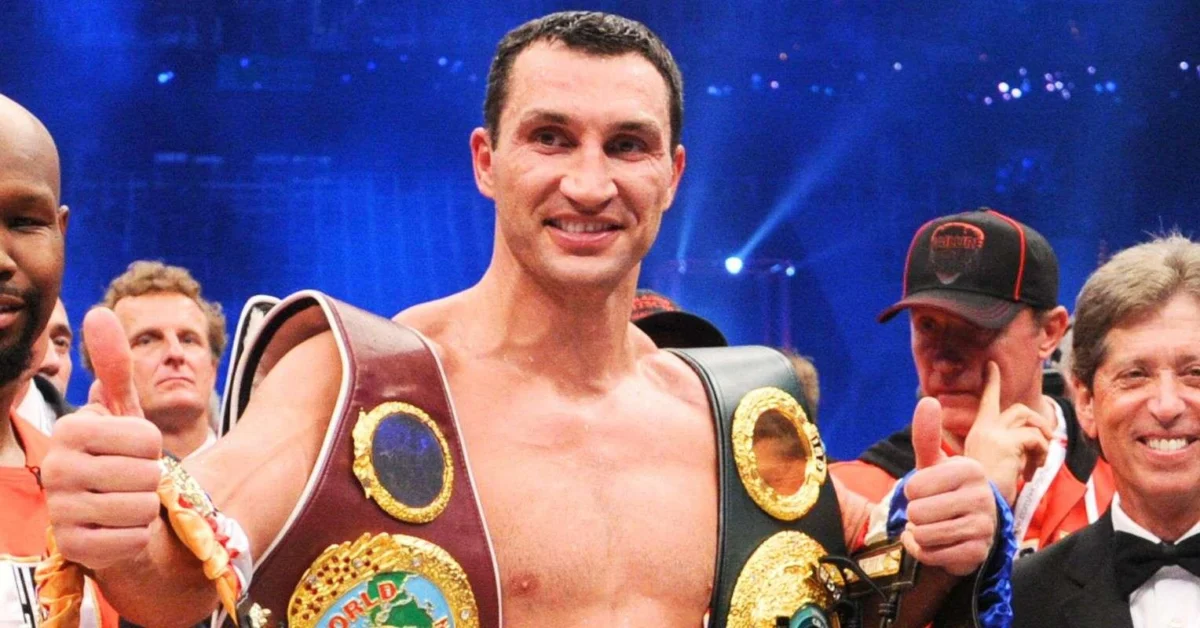
Yet, professional boxing has a long history of unheralded opponents playing the role of the ultimate spoiler. On that fateful night in front of his home fans, Klitschko was about to receive a harsh and unforgettable lesson in the unpredictable nature of the heavyweight division. The man standing across the canvas from him was Ross Puritty, an American journeyman whose resume was heavily padded with losses, but who possessed a legendary, granite chin and a relentless willingness to press forward.
To understand the magnitude of the matchup, it is necessary to examine where both fighters stood at that point in their respective athletic journeys. Klitschko was undefeated, young, and physically formidable. He was being meticulously groomed for greatness, carrying the hopes of Ukrainian boxing on his broad shoulders. Puritty, on the other hand, was a seasoned road warrior. He was battle-tested and accustomed to taking on tough assignments in hostile territory. The year 1998 had already been exceptionally grueling for the American. He had fought three times prior to stepping into the ring in Kyiv, dropping hard-fought points decisions to quality contenders like Larry Donald and Chris Byrd. However, he had also demonstrated his punching power just 29 days before facing Klitschko by scoring a knockout victory over Mark Hulstrom.
On paper and in the minds of most observers, the fight was meant to serve as a showcase for Klitschko. It was designed to highlight his burgeoning skills, test his stamina against a durable opponent, and add another impressive victory to his growing professional record.
In the early going, the script went precisely according to plan. Klitschko dominated the opening rounds with clinical precision. Utilizing his significant height and reach advantages, he controlled the distance, peppering Puritty with stiff, punishing jabs and crisp, multi-punch combinations. The young Ukrainian looked sharp, composed, and completely in control, keeping the rugged American at bay and piling up points on the judges’ scorecards.
However, boxing matches are rarely decided by the first few frames alone, especially when an opponent refuses to break. Despite absorbing a steady stream of clean, heavy blows, Puritty simply refused to go away. His granite chin absorbed everything Klitschko threw at him, and as the bout progressed past the midway point, a subtle shift began to take place inside the squared circle.
As the championship rounds approached, the undefeated prospect began to fade. Whether it was the sheer physical toll of throwing sustained combinations against a seemingly indestructible target, the pacing of the fight, or the nervous energy of performing at home, Klitschko’s energy reserves rapidly depleted. His punches lost their snap, his movement slowed, and his defensive posture began to slip.
Sensing vulnerability, Puritty did what career journeymen with high-pressure styles do best. He kept coming forward, marching through Klitschko’s remaining defenses, absorbing whatever came his way, and beginning to land heavy, punishing punches of his own. The momentum of the fight completely flipped, transforming a routine showcase into a desperate survival test for the young favorite.
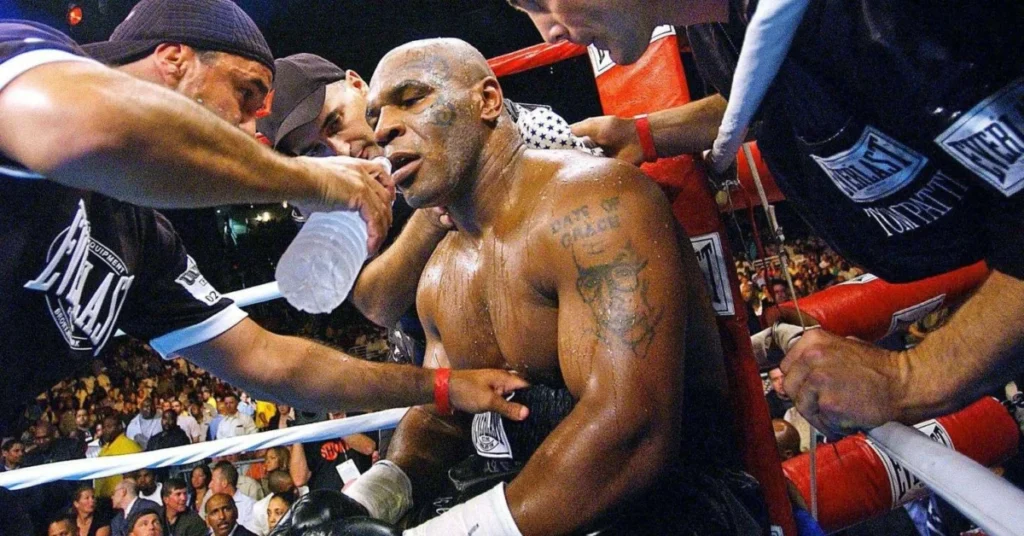
The turning point and the climax of the bout arrived in the eleventh round. Visibly exhausted and physically overwhelmed, Klitschko had nothing left to keep the surging American at bay. Puritty capitalized immediately, landing a series of heavy, unanswered punches that rocked the young Ukrainian and left him defenseless against the ropes. Recognizing that their prized prospect was in genuine danger of sustaining serious harm, Klitschko’s corner made the pragmatic decision to step in and signal a halt to the contest, throwing in the towel to spare him further punishment.
It was a stunning, shocking defeat—one of the very few instances in Klitschko’s illustrious career where he was truly overwhelmed and beaten decisively inside the distance. For Puritty, it was the crowning achievement of a career spent fighting the best, often on short notice and away from home. While the American never reached elite championship status and eventually finished his career with a modest, loss-heavy record, he could always lay claim to a unique piece of boxing history. On that cold night in Kyiv, Ross Puritty was simply the better man, and he handed a future boxing legend his very first taste of defeat.
The setback proved to be a critical junction in Klitschko’s professional life. Rather than derailing his career permanently, the painful loss served as a vital educational experience, forcing him to reevaluate his conditioning, pacing, and in-ring tactics. Following a period of rebuilding and restructuring his approach to the sport, Klitschko eventually returned with a vengeance.
By around 2006, he had evolved into the most dominant heavyweight of the 2000s, reigning over the division with an iron fist alongside his older brother, Vitali. A significant catalyst for that eventual dominance was his partnership with the legendary trainer Emanuel Steward. Working under Steward’s expert guidance, Klitschko refined his style into a devastatingly effective, safety-first paradigm of heavyweight boxing that kept him at the absolute pinnacle of the sport for a decade. Yet, long before he ruled the division and secured his legacy as one of the all-time greats, Wladimir Klitschko had to learn the hard way against a tough American club fighter in Kyiv.