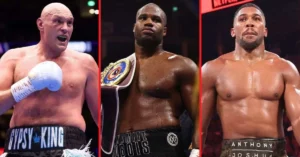


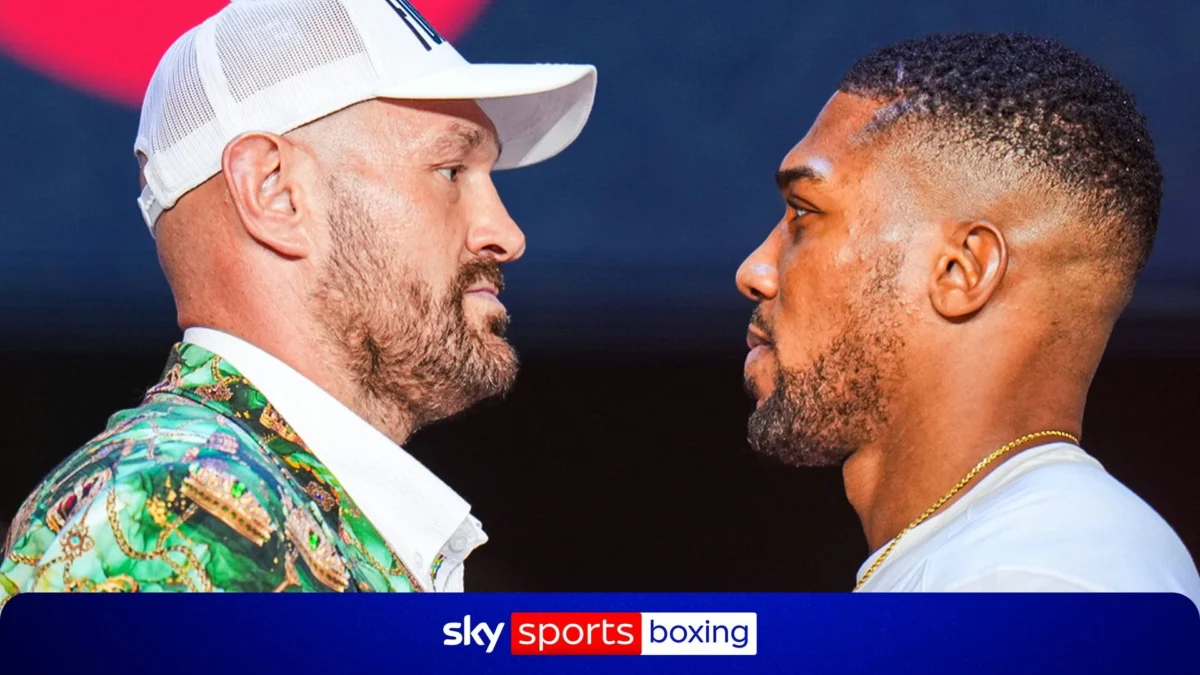
The boxing world has waited years for this matchup, and as anticipation reaches fever pitch, Sky Sports has been diving into the mailbag to answer the biggest questions surrounding the seismic heavyweight clash between Tyson Fury and Anthony Joshua. From how they stack up against shared opponents to the bizarre promotional mechanics and the logistics of a blockbuster event, boxing experts break down everything fans need to know about the defining fight of a generation.
How Do They Measure Up Against Shared Opponents?
When evaluating how Fury and Joshua match up against common foes, the comparisons reveal a fascinating tactical puzzle. Both fighters have stepped into the ring twice with Oleksandr Usyk, and both suffered back-to-back defeats against the Ukrainian master.
In their first encounters, Joshua failed to find his rhythm, boxing poorly before putting on a noticeably stronger and more competitive performance in the rematch. Fury, meanwhile, was exceptionally impressive in the first half of his opening bout with Usyk, looking physically strong and dictating terms early on. At that elite level against a generational opponent, Fury arguably edged the better overall performance across their respective series, though both ultimately fell short.
Against Francis Ngannou, however, the narrative shifts entirely. Fury struggled immensely against the former UFC heavyweight champion, biting the canvas before scraping through a controversial decision. Joshua, by contrast, made a definitive statement, ruthlessly leveling the MMA star in a starkly contrasting performance.
Then there is Wladimir Klitschko. Joshua fought the Ukrainian legend later in his career than Fury did. While AJ faced an older version of Klitschko—perhaps one who had already internalized valuable lessons from his defeat to the "Gypsy King"—Klitschko arguably gave Joshua a far more torrid, bruising war. Fury, on the other hand, exerted masterclass control to outpoint Klitschko in Germany. Ultimately, Fury appears to hold a slight analytical edge when comparing their performances against the highest-level shared opponents, but it remains a remarkably close debate.
What Lies Ahead After the Fight, and Is a Usyk Trilogy on the Cards?
Looking past this upcoming showdown, the future for both men depends heavily on the result, though a trilogy fight against Oleksandr Usyk seems unlikely.
While Fury would undoubtedly campaign hard for a third fight against the unified champion, market demand for a trilogy is questionable. Neither Fury nor Joshua holds a victory over Usyk, and while their initial encounters justified immediate rematches, a third installment for either man is hardly an urgent necessity for the division.
Instead, the winner could easily look toward other massive domestic and international matchups. WBO heavyweight world champion Daniel Dubois has already made it clear that he is eyeing a future clash against the victor next year, admitting that an all-British showdown with either man would be a groundbreaking event.
Why Is a Championship Belt on the Line?
One of the most persistent queries from fans concerns the sanctioning of a championship belt for the bout. The World Boxing Association (WBA) has surprisingly decided to sanction the matchup for a ‘super’ title, leaving many within the boxing community bewildered.
The WBA has not offered a clear explanation for the decision. Both men are former world champions, but the governing body already maintained a ‘regular’ titleholder in Murat Gassiev, and neither Fury nor Joshua entered the fight positioned as the WBA’s official number-one contender. Ultimately, this is a battle of supremacy between two of Britain’s greatest modern heavyweights—a rivalry so grand that it scarcely needs a belt on the line to justify its existence.
Who Is Actually Promoting the Event?
Navigating the promotional landscape of modern boxing can often resemble entering a labyrinth, and this event is no exception. The fight simply would not be happening without the financial backing and vision of Turki Alalshikh, the chairman of Saudi Arabia’s General Entertainment Authority, who is acting as the primary promoter.
However, the official press release also noted a partnership with Dana White. This unique collaboration has opened a Pandora’s box of speculation regarding how White’s involvement intersects with the existing promotional contracts held by Eddie Hearn’s Matchroom Boxing for Anthony Joshua and Frank Warren’s Queensberry Promotions for Tyson Fury. Regardless of the complex contractual web behind the scenes, it is Alalshikh providing the capital to bring the fight to life.
Who Needs the Victory More?
Given that both fighters have tasted defeat at the highest level, pundits and fans alike are fiercely debating who carries the heavier burden heading into the ring.
Anthony Joshua possesses an outstanding, glittering resume featuring a long list of high-quality opponents. Yet, a glaring omission on his ledger is Deontay Wilder—a man whom Fury famously faced in a brutal trilogy. Fury, meanwhile, has held every major heavyweight world title at various points in his career and, across his two fights with Usyk, arguably delivered superior performances to Joshua’s efforts against the same man.
When weighing skills, class, character, history, and fan base, experts lean toward Joshua needing the victory more to cement his ultimate legacy, though it remains a compelling debate where valid arguments can be made for both sides.
How Will They Adapt to the Time Zones?
With the event tailored to maximize viewership, questions have naturally been raised about how British fighters will adjust their biological clocks to compete in the early hours of the morning to accommodate American audiences.
For those familiar with modern mega-events staged in the Middle East, unconventional schedules have become the norm. Training camps have grown accustomed to shifting entirely. For instance, fighters preparing for Saudi cards have routinely adopted schedules where they sleep through the day, eat breakfast in the evening, and conduct heavy sparring sessions at two in the morning. Both camps will seamlessly transition into a rhythm tailored to the fight time.
Furthermore, while the bout features two British stars, the immense reach of Netflix’s coast-to-coast audience across the United States means that staging the fight at an unconventional hour makes commercial sense for global viewership figures.
Will the Loser Hang Up the Gloves?
Retirement talk always looms large over high-stakes heavyweight bouts, and this clash is no exception. Much will depend on the manner of any potential defeat.
Tyson Fury has frequently spoken about his desire to box on for as long as his body allows, but his history of retirements and subsequent comebacks means his future remains notoriously unpredictable.
For Anthony Joshua, a devastating or one-sided loss could very well force him to seriously contemplate stepping away from the sport. If AJ ultimately decides to walk away, he does so as an Olympic gold medallist, a two-time unified world heavyweight champion, and a definitive British boxing superstar who has nothing left to prove to the sport or its supporters.
Can Joshua’s Stamina Hold Up Over 12 Rounds?
A recurring tactical question is whether Joshua possesses the conditioning and engine to maintain a competitive pace against Fury over the championship distance.
Joshua has already gone the full 12 rounds on five separate occasions throughout his professional career, and there has never been any genuine indication of a chronic stamina issue. While Joshua carries a more heavily musclebound physique compared to Fury’s unorthodox, natural rhythm, it is worth noting that Fury does not typically impose a suffocating, relentless pace on his opponents. For Fury to exploit any supposed fatigue, he would have to actively force Joshua to think and fight at a frantic speed to which he is unaccustomed.
What Happens If It Ends in a Draw?
In the event that the judges cannot split the two titans after 12 grueling rounds, a repeat encounter would become an absolute certainty.
A draw would immediately set the stage for an unprecedented rematch. By that point, both men would have spent nearly an hour solving each other’s puzzles, providing an even greater foundation for promotional hype. A second fight under those circumstances would be unavoidable.
Does Fury Have the Power to Knock Out Joshua?
While Joshua’s vulnerability to being hurt or stopped has been a talking point in past defeats, skeptics have historically questioned whether Fury possesses true one-punch knockout power.
However, Fury comprehensively dispelled those doubts with his devastating stoppage performances in his second and third encounters with Deontay Wilder. With Joshua having shown vulnerability to heavy shots in recent outings, Fury undoubtedly possesses the firepower to put his rival in serious trouble.
Why Not Wembley Stadium?
Logistics and weather have played a massive role in the venue selection. Staging an outdoor fight in the UK at certain times of the year introduces massive variables regarding British weather—a factor far more disruptive to planning a late-night main event than international licensing agreements.
What Does the Undercard Look Like?
While the official undercard remains unconfirmed, Dana White has publicly expressed his desire to orchestrate a high-profile clash between Jai Opetaia and Deontay Wilder as part of the supporting bill. Both Queensberry and Matchroom are expected to place their respective fighters on the card. Fans will also be watching closely to see if prominent Welsh talent gets an opportunity to shine on the stage.
For more in-depth analysis, including debates on whether the fight will go the distance and how a prime matchup between the two eight years ago might have played out, listeners can tune in to the special edition of the Ringe Toe2Toe boxing podcast.