

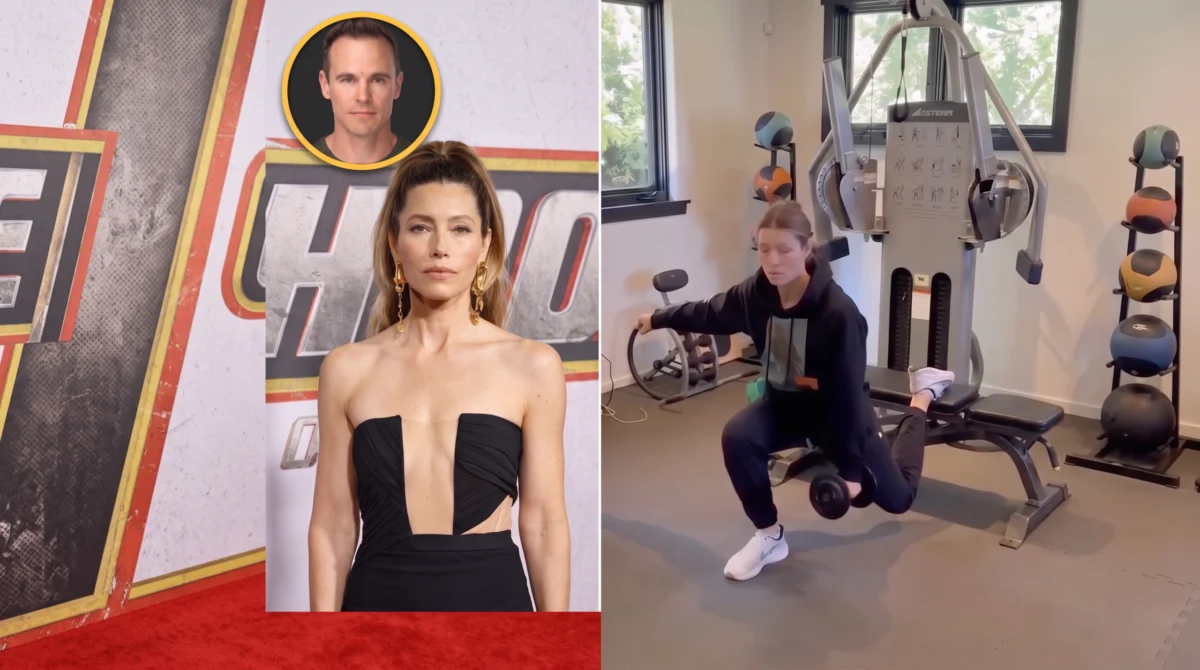
Stepping onto the set of an action-comedy requires more than just standard acting skills—it demands a body engineered for stunts, endurance, and physical resilience. For her latest project, Matchbox: The Movie, 44-year-old star Jessica Biel arrived with a physique built through smart, strategic, and highly adaptable strength work.
The acclaimed actor recently shared a behind-the-scenes look at the rigorous physical preparation that shaped her readiness for the film, offering a masterclass in how to tailor fitness routines to overcome real-world physical obstacles. Her longtime personal trainer, Ben Bruno, revealed that Biel’s preparation was never about chasing vanity metrics, personal lifting records, or moving maximum weight. Instead, the primary objective was cultivating resilient, functional strength while actively navigating a painful lower back injury and successfully juggling the daily demands of family life.
Training Through Injury: The Smart Approach
The path to action-hero fitness is rarely linear, and Biel’s journey was complicated by a severe lower back injury sustained just months before filming was scheduled to begin. The setback forced Bruno and Biel to completely rethink her training architecture to avoid re-aggravating the sensitive area while still driving physical progress.
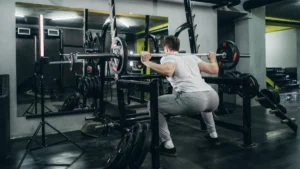
Rather than loading the spine with traditional heavy barbells and high-risk compressive movements, Bruno leaned into innovative exercise variations designed to stimulate muscle growth and strength without compromising recovery. Wall-supported squats, foam-roller-assisted movements, and targeted single-leg exercises quickly became staples of her routine. This thoughtful approach underscored a fundamental fitness truth: genuine athletic progression does not always require adding heavier plates to a bar.
Full-Body Focus With a Lower-Body Bias
Biel’s regimen was carefully engineered around compound movements capable of recruiting multiple muscle groups simultaneously, ensuring that every single repetition served a practical purpose. Bruno noted that while her sessions always engaged the entire body, they maintained a distinct emphasis on the legs and glutes rather than over-indexing on the upper body.
This methodology maximized training efficiency while closely mimicking the unpredictable physical demands of cinematic action sequences, where raw strength, dynamic stability, and whole-body coordination must operate in seamless unison. Her weekly sessions blended upper-body pulling mechanics like inverted rows, lower-body power developers including Bulgarian split squats and goblet squats, and rigorous core stability work such as side planks with integrated leg raises. The result was a balanced, powerful physique fully equipped to handle the physical volatility of stunt work.
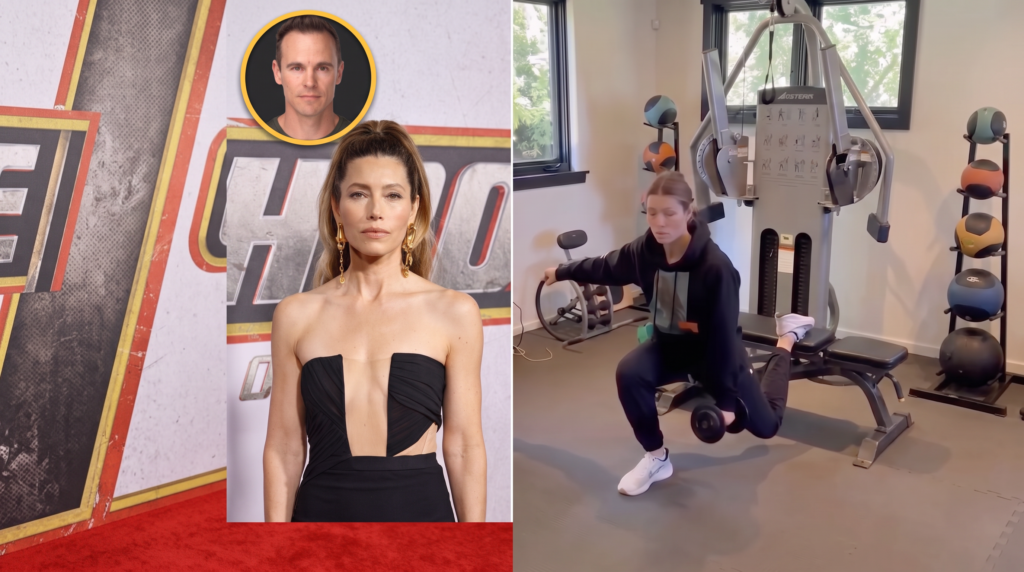
Training With Kids in Tow
While the finished product on screen looks intensely polished, Bruno pulled back the curtain to give fans a realistic look at what Biel’s day-to-day training environment actually entails. Despite the high-stakes physical output required for an action film, her workouts rarely took place in a serene, distraction-free atmosphere.
Instead, Biel’s children and husband, Justin Timberlake, were frequently present during her sessions, often introducing a healthy dose of family chaos that working parents around the world will instantly recognize. It was not uncommon for the star to execute challenging movements while playing with her kids or even getting playfully tackled mid-exercise. This chaotic environment serves as an inspiring reminder that consistency consistently trumps perfection, and that integrating physical movement into a bustling family life is not only achievable but often a necessary part of modern parenting.
Breaking Down the Routine
Biel’s comprehensive workout philosophy relied on a creative suite of exercises designed to fortify the entire body while safeguarding her vulnerable lower back. Among the core movements was the inverted row to hamstring curl, a fluid, total-body maneuver that targets the posterior chain, incorporating the back, glutes, and hamstrings into a single sequence.
To protect her spine during lower-body days, Bruno utilized foam-roller wall goblet squats and standard foam-roller wall squats, where the prop provided continuous spinal feedback and dramatically reduced compressive loads. Similarly, wall-supported Bulgarian split squats removed the need for traditional benches while maximizing glute activation through the stabilizing assistance of a wall.
Core stability and lateral strength were addressed through resistance-band side-plank crunches and resistance-band side lunges with reaches, which challenged the obliques and deep core stabilizers while simultaneously strengthening the adductors and glutes. To elevate the difficulty and functional carryover, Biel incorporated complex combinations such as Bulgarian split-squat dumbbell lateral raises, side-sitting GHD weighted-plate raises, and kneeling side planks with leg raises. These advanced movements forced her body to stabilize dynamically under load, heavily targeting the obliques and glute medius while minimizing unnecessary wrist and shoulder stress.
Ultimately, Biel’s preparation for Matchbox: The Movie highlights the profound value of intelligent training programming. Whether someone is preparing to lead a major action franchise or simply striving to maintain strength and vitality through midlife, her routine proves that smart, adaptable fitness choices make all the difference.