

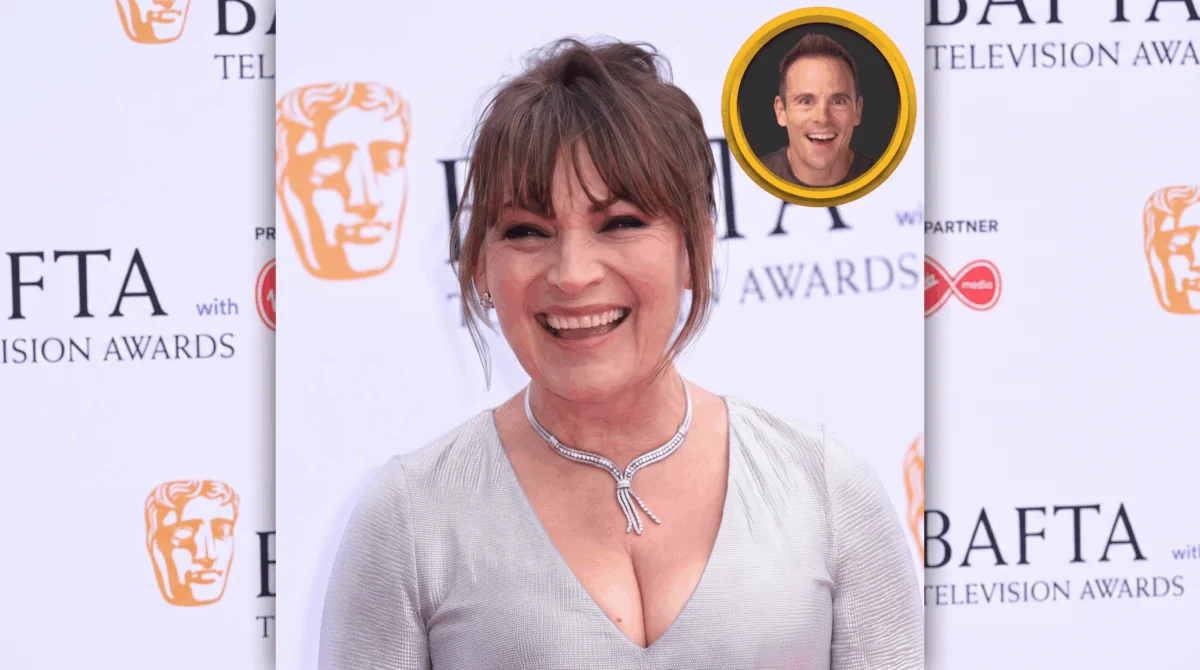
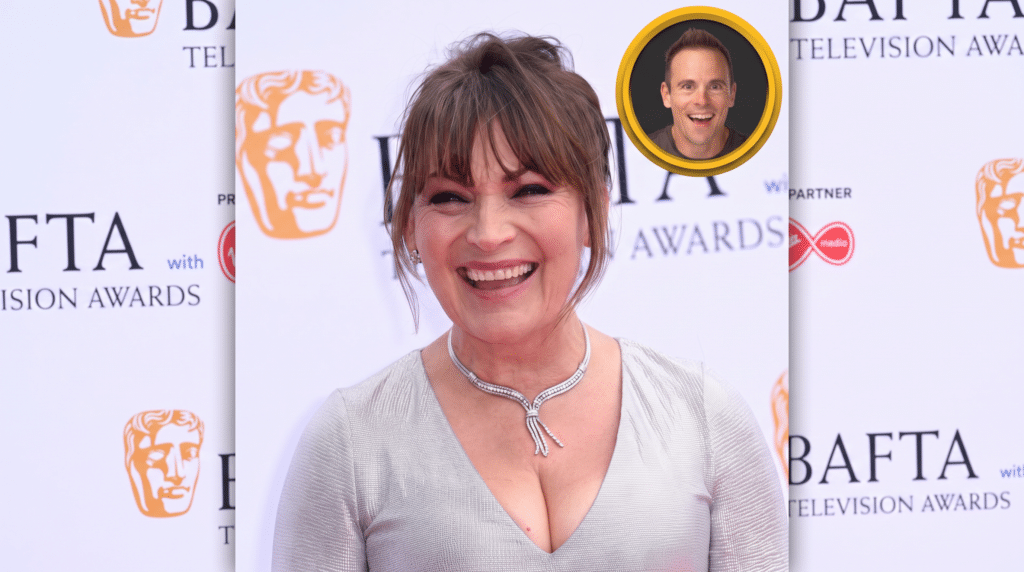
Improving health and physical fitness does not require grueling gym sessions, punishing workout regimes, or extreme dietary restrictions. Beloved television presenter Lorraine Kelly has proven that simple, sustainable habits can genuinely transform your body at any stage of life, demonstrating that vitality and strength are entirely achievable well into later years.
At 66 years old, Kelly has been open about sharing the accessible, low-impact routine that helped her reclaim her waistline, improve her overall body composition, and feel physically stronger than ever before. Rather than turning to high-intensity interval training or exhausting fitness fads, her core strategy relies on a balanced combination of walking, swimming, and twice-weekly strength classes designed specifically for adults over 60.
The Simple Routine That Transformed Lorraine Kelly’s Body
Speaking in a recent interview with Closer magazine, Kelly revealed that steady forms of movement like walking and swimming have been central to her sustainable weight management and physical transformation, steering completely clear of punishing high-intensity workouts.
Reflecting on her progress, Kelly shared that she managed to get her waist back largely through consistent exercise and daily walking, alongside a frequent swimming routine. While acknowledging natural body changes and maintaining a realistic outlook on her physique, she noted that the positive physical differences are visible all over her body. Her refreshing and grounded approach emphasizes appreciating her body as it is while celebrating the tangible improvements she has experienced in strength and mobility.
Beyond her cardiovascular activities, Kelly incorporates two dedicated strength training classes into her weekly schedule, which she attends alongside her husband. Discussing these sessions during an appearance on Saga Magazine’s Experience is Everything podcast, she explained that the classes are tailored specifically for individuals over the age of 60. Rather than focusing on heavy lifting or building bulky muscle, these sessions prioritize core muscle strength and balance—two critical, foundational components of healthy ageing that often decline if left unaddressed.
Why Walking Is One of the Most Underrated Fat Loss Tools
While walking may not feel like an intense athletic endeavor, medical and fitness science firmly back its effectiveness for long-term weight management, metabolic health, and overall physical well-being.
Dr Michaela Gulyas of SKNCode London shared insights highlighting that walking remains one of the most underrated tools for sustainable fat loss. Regular, intentional walking increases daily energy expenditure without placing excessive or damaging stress on the body’s joints and tissues. This makes it an ideal form of exercise because it helps preserve lean muscle mass while simultaneously improving insulin sensitivity, supporting cardiovascular health, and optimizing overall metabolic function.
Research published in Frontiers in Public Health further confirms that walking at any pace—even a leisurely stroll—can meaningfully boost baseline fitness levels. Meanwhile, brisk walking offers additional cardiovascular advantages, including improved stamina, better circulation, and an enhanced mood driven by the release of endorphins.
The greatest appeal of walking lies in its sheer accessibility. It requires no specialized equipment, no expensive gym memberships, and no complicated techniques or steep learning curves. It simply requires consistent, intentional movement integrated into daily life.
How Swimming Supports Fat Loss and Muscle Tone
In addition to walking, swimming offers a unique and highly effective combination of cardiovascular conditioning and comprehensive muscle engagement. Unlike running, cycling, or other land-based exercises, swimming works nearly every major muscle group in the human body simultaneously against the resistance of the water.
Emily Morrissey, a swimming instructor for Swimming Nature, detailed these full-body benefits, noting that individuals who commit to working hard in the pool can expect to see noticeable improvements in muscle definition across the arms, upper body, and thighs in particular. Because water provides natural, continuous resistance, swimming helps build and maintain muscle tissue while remaining exceptionally gentle on the joints. This makes it an ideal form of exercise for anyone managing inflammation, arthritis, or recovering from previous injuries.
As a high-efficiency form of cardiovascular exercise, swimming also elevates daily energy expenditure. When paired with a balanced and nutritious diet, this increased calorie burn naturally supports a healthy calorie deficit and promotes gradual, sustainable fat loss.
Why Muscle Matters More After 60
Understanding the physiological changes that occur with age helps contextualize why Kelly’s balanced approach is so effective. Muscle mass naturally begins to decline after the age of 30, but this rate of loss accelerates significantly during and after the menopausal transition.
When estrogen levels drop rapidly, muscle degradation can speed up, negatively impacting metabolic rate, bone density, physical balance, and overall strength. This natural process underscores why Kelly’s strategy—combining cardiovascular exercise that supports muscle endurance, such as swimming, with dedicated, age-appropriate strength training—yields such positive results.
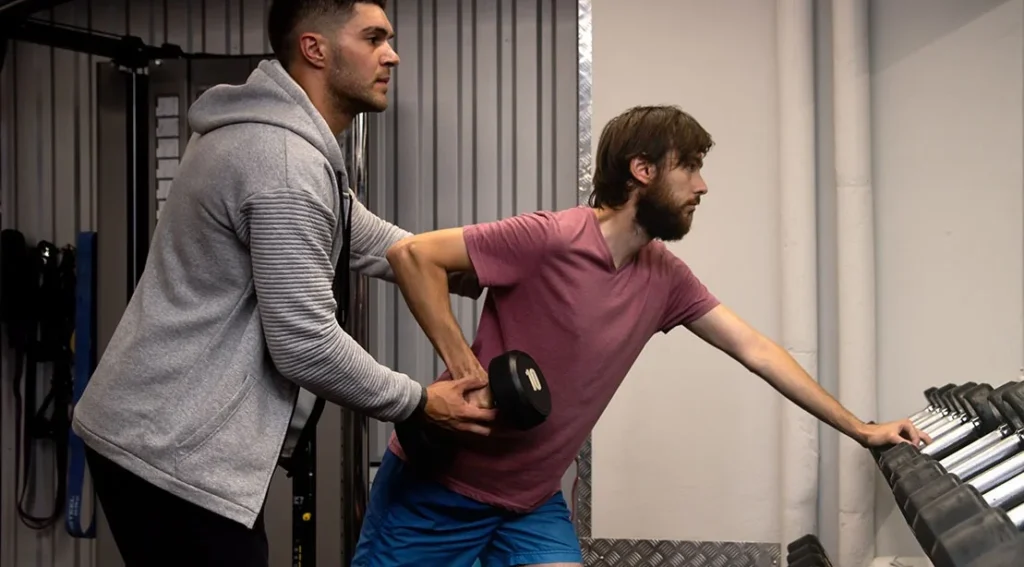
Strength training for older adults does not require lifting heavy weights or spending hours enduring punishing workouts in a traditional gym setting. Instead, specialized classes focus on functional movements designed to improve balance, core stability, and the practical strength needed for everyday life.
The Power of Sustainable, Enjoyable Movement
Kelly’s fitness transformation is fundamentally rooted in consistency and genuine enjoyment rather than deprivation, exhaustion, or punishment. By choosing activities she actually likes—such as daily walking, swimming laps, and attending strength classes with her husband—she has created a lifestyle routine that she can easily stick with over the long term.
This psychological component of fitness is frequently overlooked in modern diet and exercise culture. Exercise adherence drops dramatically when fitness routines feel like a daily chore or an impossible standard to maintain. Finding forms of movement that seamlessly fit into an individual’s lifestyle and personal preferences is often the most significant hurdle to overcome.
Furthermore, Kelly’s routine cleverly avoids the joint stress, high impact, and elevated injury risks associated with intense, high-impact activities. This ensures her routine remains sustainable for decades rather than just a few weeks or months of temporary dedication.
Applying Sustainable Principles to Everyday Life
For those looking to adapt elements of Kelly’s approach to their own daily routines, the focus should remain on simplicity and consistency. Incorporating regular daily walks—such as aiming for a brisk 30-minute walk several days a week—serves as an excellent cardiovascular baseline that can be gradually adjusted as fitness levels improve.
Adding a couple of swimming sessions each week can wonderfully complement a walking routine, offering low-impact muscular endurance work without stressing the skeletal system. Meanwhile, prioritizing strength training twice a week through age-appropriate community classes or simple bodyweight exercises at home, such as squats, supported lunges, and wall push-ups, can yield meaningful improvements in muscle strength, stability, and bone density over time.
Ultimately, sustainable change takes patience, and consistency will always outperform extreme, short-term measures. Tracking progress through vitality, strength, mood, and sleep quality rather than obsessing over the bathroom scale offers a much healthier framework for long-term wellness. Lorraine Kelly’s journey stands as a clear reminder that reshaping your body and boosting your overall health is entirely possible at any age through straightforward, enjoyable, and sustainable habits.