

It has been a remarkably turbulent period for several high-profile British boxers, with legal developments highlighting a dramatic contrast between actions inside the squared circle and conduct on the streets. While the British boxing scene remains constantly active with title pictures, rankings shifts, and upcoming bouts, recent headlines have been increasingly dominated by courtrooms, police investigations, and legal verdicts involving some of the sport’s most recognizable names.
To clarify the scope of these recent reports, the focus centers entirely on alleged offenses and legal proceedings involving individual British fighters outside the ring, rather than the athletic controversies or promotional disputes that more typically define the sport’s daily news cycle. Over the past week, a rapid succession of updates regarding high-profile competitors has captured the attention of fans and media alike, painting a concerning picture of athletes navigating serious legal jeopardy away from their training camps.
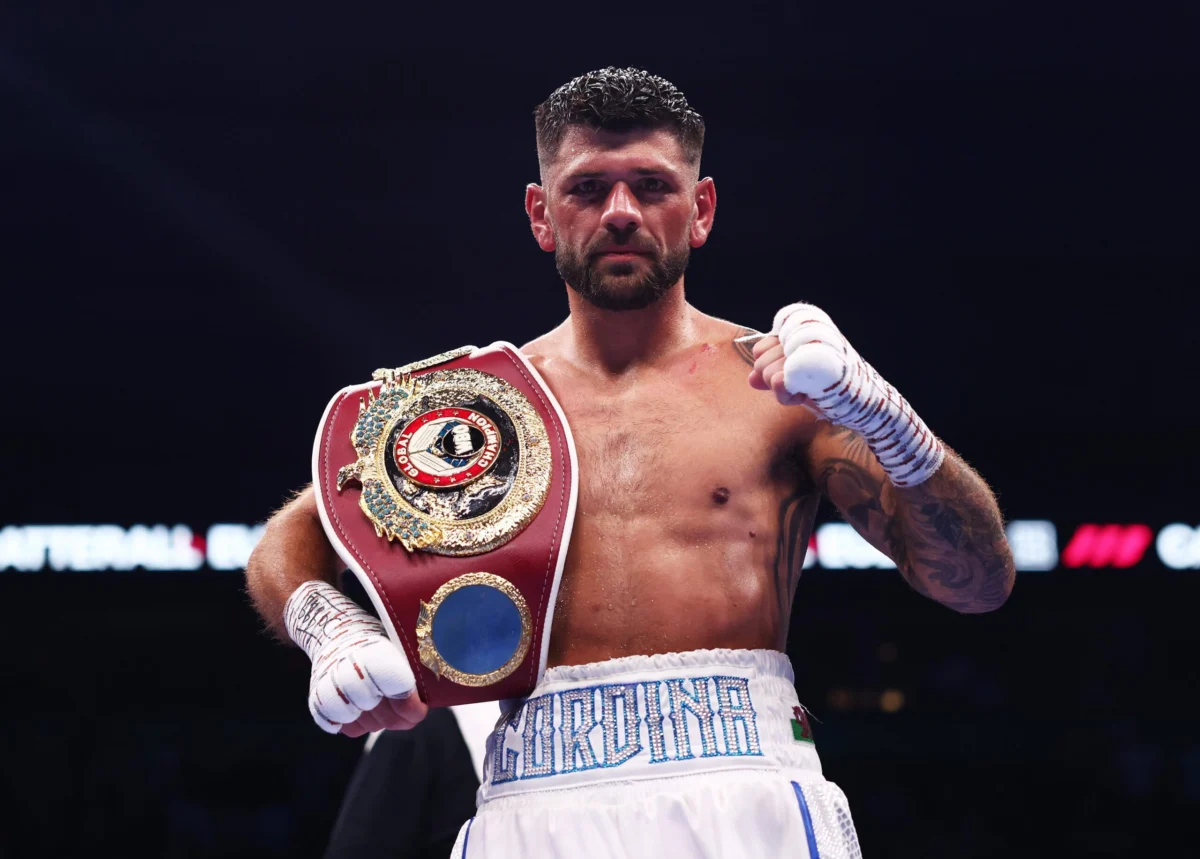
Among the most significant developments is the case of former super featherweight world champion Joe Cordina. The Welsh fighter, boasting a professional record of 19 wins and 1 defeat with 9 knockouts, found his career temporarily derailed this past summer when he missed out on a lucrative lightweight title opportunity against American rising star Abdullah Mason. That high-stakes bout fell through after Cordina was hit with severe criminal charges, specifically accused of “assault and threatening a person with an offensive weapon in a public place.” The resulting legal complications and subsequent failure to secure the necessary travel visa effectively kept him sidelined from the international stage during a critical window of his career.
However, Cordina’s legal standing received a major boost when a judge formally acquitted him after accepting his defense of self-defense. Crucial to the court’s decision was closed-circuit television footage that presented a clear timeline of the altercation. The video evidence demonstrated that the opposing individual had initiated the confrontation, aggressively shoulder-checking Cordina as they passed before the former champion responded with a punch.
Delivering her official ruling, Judge Charlotte Murphy provided a detailed breakdown of the court’s perspective on the split-second altercation. “I am satisfied that the defendant believed it was necessary to use force to defend himself,” Judge Murphy stated. “I am further satisfied that a single, measured, controlled punch was proportionate in the circumstances. It is very easy to consider the defendant’s response by considering the CCTV in slow motion, however the defendant had a split second to consider his response to the shoulder barge.”
With the legal cloud now lifted and his acquittal officially recorded, Cordina’s professional future looks considerably brighter. He still sits firmly atop the World Boxing Organization rankings at lightweight, making a rescheduled showdown with Abdullah Mason a very realistic and highly anticipated possibility for the near future, provided promotional teams can bring the matchup back to the negotiating table.
While Cordina successfully navigated his legal battle through a documented claim of self-defense, fellow British veteran Liam Smith reportedly faced a much harsher assessment regarding his own recent altercation. Smith, a former world titleholder with a professional ledger of 33 wins, 5 losses, and 1 draw, including 20 victories inside the distance, is currently dealing with severe allegations stemming from an incident late last month. According to reports from the BBC, Smith was arrested for “causing grievous bodily harm with intent” and subsequently participated in a court hearing where video footage of the alleged event was scrutinized by the presiding judge.
Per judicial commentary reported during the proceedings, the CCTV footage allegedly showed Smith delivering two deliberate strikes to the head of a person who was already lying prone on the floor and entirely unable to stand or defend themselves. The nature of the footage described in court stands in stark contrast to the quick, defensive reaction that saved Cordina from conviction.
Smith’s legal troubles compound what has already been a frustrating and stagnant phase in his long professional career. The Liverpuilian fighter, affectionately known to fans as “Beefy,” has not stepped foot inside a competitive ring since suffering a one-sided, decisive defeat to Aaron McKenna last year. Furthermore, he has struggled to find the win column over the last three years, seeing his momentum grind to a halt due to both inactivity and physical setbacks. Hopes of a professional resurrection earlier this year were dashed when a planned September comeback bout in Finland had to be entirely scrapped after Smith suffered an untimely calf injury during training camp preparations.
The wave of legal scrutiny extended further when investigative boxing reporting by Box.Live shed light on ongoing proceedings involving British champion Lewis Edmondson. Holding an undefeated or dominant presence with a record of 12 wins and 1 loss, featuring 9 knockouts, Edmondson found himself entangled in a bizarre and high-stakes criminal case dating back to July. According to media reports from outlets including The Sun, the British titleholder allegedly rammed a police vehicle while attempting to actively flee from law enforcement during a high-speed pursuit.
The subsequent search and police intervention allegedly yielded a quantity of cocaine significant enough for prosecutors to levy a severe criminal charge of “possession with intent to supply.” Despite the gravity of these ongoing legal allegations, Edmondson’s sporting career continues to move forward under the oversight of domestic boxing authorities. The British Boxing Board of Control recently issued formal instructions ordering Edmondson to make a mandatory defense of his title against Dan Azeez. This directive came after a previously ordered showdown between Edmondson and fellow contender Zak Chelli completely collapsed when the purse bids failed to attract a single interested promoter, leaving the division in a state of logistical limbo.
As the legal systems in the United Kingdom continue to process these complex and serious cases, the intersection of elite professional athletics and criminal law remains a pressing topic within the boxing community. Observers and fans alike await further developments as these fighters either prepare for trials, manage ongoing legal mandates, or attempt to salvage their respective careers inside the ring. Any further updates concerning these ongoing or newly emerging legal matters will be closely followed and reported as new information becomes available from official court proceedings and regulatory bodies.