

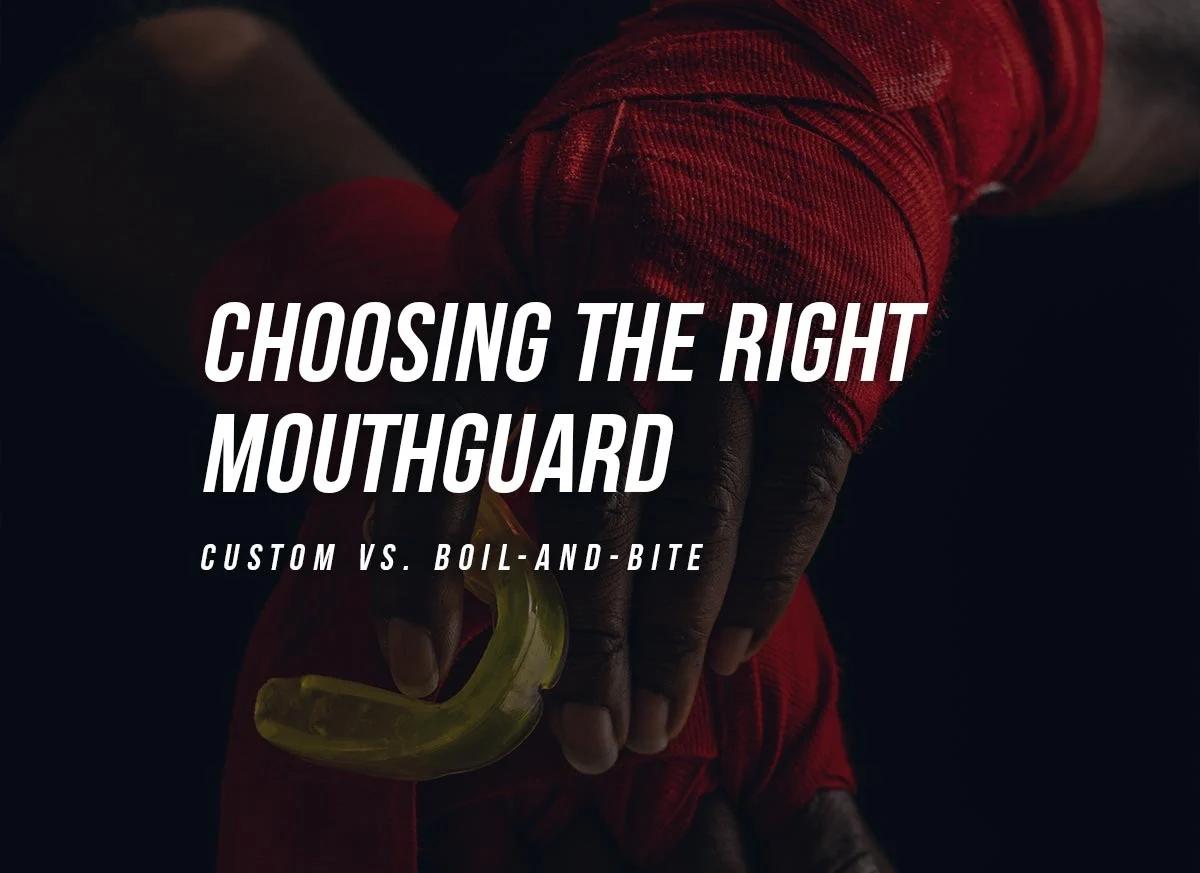
In the high-stakes world of martial arts, boxing, and high-impact contact sports, athletes invest heavily in their training, conditioning, and protective gear. While headgear, shin guards, and gloves often steal the spotlight, one piece of equipment remains fundamentally non-negotiable for dental and neurological safety: the mouthguard. Whether stepping into a boxing ring, a Muay Thai clinch, a mixed martial arts cage, or even the grappling mats of Brazilian Jiu-Jitsu, protecting the teeth, gums, and jaw from devastating impact injuries is an absolute priority. Yet, when faced with the market, athletes are frequently forced to navigate a critical choice between two primary options: custom-made mouthguards and standard boil-and-bite alternatives.
The decision is far from trivial. A proper mouthguard must balance several competing factors, including overall comfort, structural protection, financial cost, and long-term durability. While the core objective is always to shield the oral cavity from trauma, the engineering and execution behind these two types of mouthguards differ drastically. Understanding the distinct advantages and disadvantages of both custom-molded and boil-and-bite mouthguards is essential for any serious competitor or recreational martial artist looking to make an informed investment in their personal safety and athletic longevity.
Why Mouthguards Are Crucial for Martial Artists
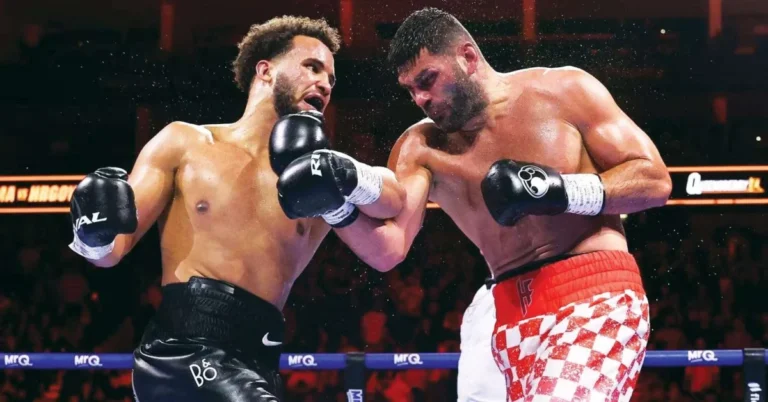
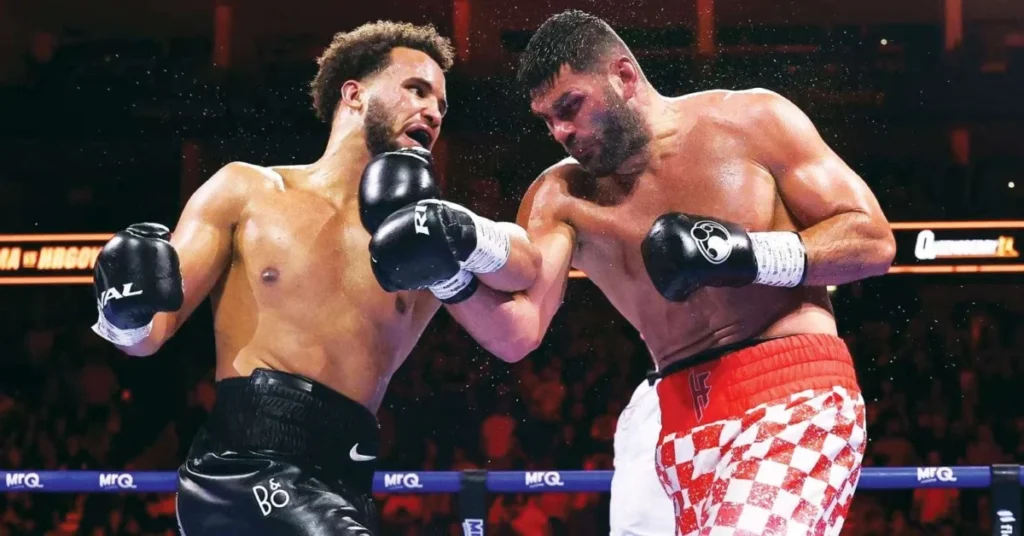
To understand the necessity of this gear, one must first look at the unique physical demands and inherent risks associated with combat sports. Martial arts expose practitioners to an exceptionally high risk of oral injuries. Punches, elbows, kicks, and sudden accidental collisions can easily shatter teeth, lacerate lips, and fracture jaws. A high-quality mouthguard acts as a crucial barrier, significantly reducing the incidence of broken teeth, severe soft-tissue lacerations, and catastrophic jaw fractures.
Beyond purely dental protection, mounting sports science research indicates that wearing a properly fitted mouthguard plays a vital role in reducing the severity of concussions. By absorbing and dampening a portion of the kinetic impact force that would otherwise travel directly through the lower jaw and transfer into the skull, brain, and neck, a mouthguard serves as a mechanical shock absorber. It spreads the force of a sudden blow over a much wider surface area, lowering the localized pressure points that trigger traumatic brain injuries.
For strikers training in disciplines such as boxing, kickboxing, Muay Thai, and MMA, where direct blows to the head are an everyday reality, wearing a mouthguard is mandatory. However, the misconception that grapplers are entirely safe from dental trauma has long been debunked. Practitioners of Brazilian Jiu-Jitsu and wrestling frequently experience accidental head clashes, stray elbows during scrambles, and hard impacts with the mat. These sudden collisions can cause severe dental damage just as easily as a calculated strike. Given these formidable risks, selecting the appropriate mouthguard is an essential part of an athlete’s preparation, bringing the ongoing debate between custom-fitted and boil-and-bite options to the forefront.
Boil-and-Bite Mouthguards: Pros and Cons
Among the most widely utilized pieces of protective equipment across all levels of sports, boil-and-bite mouthguards remain immensely popular due to their accessibility and affordability. Readily available in sporting goods stores and online marketplaces, these devices offer a baseline level of protection for athletes entering the arena. The name "boil-and-bite" stems from the user-driven molding process required to fit the product. An athlete submerges the thermoplastic mouthguard in boiling water to soften the material, removes it, lets it cool to a safe temperature, and then bites down firmly to shape the pliable material around their teeth and gums.
The primary advantage of boil-and-bite mouthguards is their affordability and convenience. For beginners testing the waters of a new discipline, hobbyists who train casually, or athletes operating on a strict budget, these mouthguards offer a quick and inexpensive safety net. They require no specialized dental visits, impressions, or lengthy waiting periods, making them accessible to anyone on short notice.
However, the do-it-yourself molding process comes with inherent limitations. Because they are manufactured as a one-size-fits-most product before being thermally altered, boil-and-bite mouthguards rarely achieve a precise, anatomical fit. The material often stretches, thins out in high-pressure bite areas, or fits loosely over the gums. This loose or bulky fit can lead to significant discomfort, difficulty breathing, and impaired speech during intense training sessions. Athletes frequently find themselves unconsciously chewing on the guard or adjusting it with their tongue, which compromises its stability and leaves the jaw vulnerable during a sudden impact. Furthermore, their lower-grade materials degrade more quickly under the strain of heavy chewing and frequent impacts, meaning they must be replaced much more often than their professionally manufactured counterparts.
Custom Mouthguards: Pros and Cons
At the opposite end of the spectrum are custom-made mouthguards, engineered and fabricated by dental professionals based on a precise physical or digital impression of an athlete’s specific teeth and jaw structure. These bespoke devices represent the gold standard of oral protection in professional athletics, offering an elite level of safety, retention, and comfort.
The primary advantage of a custom mouthguard lies in its exact anatomical precision. Because the mold is tailored specifically to the unique contours of the individual’s mouth, the guard snaps securely into place, hugging the teeth and gums without causing undue pressure or irritation. This superior retention means the mouthguard stays firmly anchored even during heavy impacts, explosive movements, or while the athlete is heavily winded and gasping for air. The snug fit allows for natural breathing and clear communication, eliminating the distraction of a shifting or bulky guard. Moreover, professional fabrication ensures optimal material thickness in critical impact zones, maximizing shock absorption and lowering the risk of both dental trauma and concussion-inducing force transmission.
Despite their clear performance and safety benefits, custom mouthguards come with notable drawbacks, chief among them being cost and accessibility. Fabricating a professional-grade mouthguard requires a dental visit or a specialized mail-in impression kit, driving the financial investment significantly higher than a standard retail purchase. Additionally, the process demands time for manufacturing and delivery, meaning athletes cannot simply walk into a store and walk out with immediate protection. For younger athletes whose teeth and jaws are still actively developing and changing, a custom mouthguard may also have a limited lifespan before it ceases to fit properly, requiring periodic remakes as the dental structure evolves.
Which Mouthguard Should You Choose?
When deciding which mouthguard best serves an athlete’s needs, the choice ultimately hinges on a careful evaluation of personal budget, intensity of training, and commitment level to the sport. For individuals who are just beginning their martial arts journey, training recreationally a couple of times a week, or operating under tight financial constraints, a boil-and-bite mouthguard provides a sensible, accessible starting point. It offers baseline protection against accidental impacts without requiring a significant financial outlay, making it a practical choice for those testing their long-term dedication to a combat sport.
Conversely, for dedicated martial artists, experienced competitors, and professionals who regularly step into high-impact environments like MMA cages or competitive boxing rings, investing in a custom mouthguard is widely regarded as a necessity rather than a luxury. While the upfront financial cost is undeniably higher, the unparalleled fit, enhanced comfort, superior durability, and advanced shock-absorption capabilities provide a level of safety and peace of mind that mass-market alternatives simply cannot match. The ability to train hard, breathe freely, and communicate clearly without constantly adjusting a shifting piece of plastic can profoundly impact both performance and safety during high-stress sparring sessions and fights.
Balancing the triad of cost, protection, and comfort remains the ultimate guiding principle for any athlete selecting protective gear. Prioritizing safety through a professional, custom-fitted solution pays dividends over a long athletic career by preventing painful, debilitating, and financially costly dental injuries. Yet, for those taking their very first steps onto the mat, readily available alternatives ensure that basic protection remains within reach until the time comes to make a more permanent investment in athletic safety.