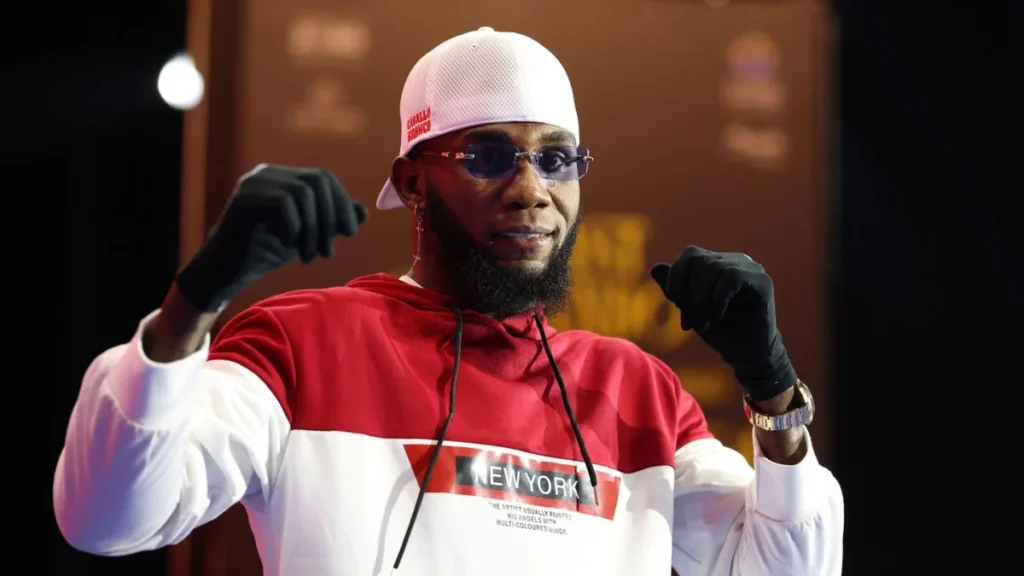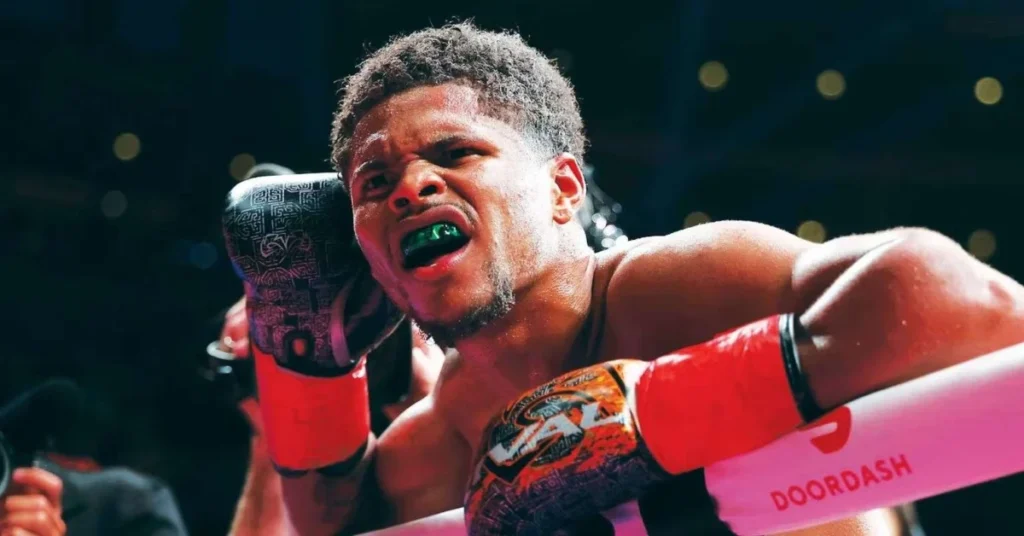

Deontay Wilder was once universally regarded as the most terrifying and destructive puncher in the heavyweight division, a champion whose thermonuclear right hand could end any fight in a single, sudden moment. But as the boxing world navigates 2026, the sheer volume and varied background of fighters actively calling out the "Bronze Bomber" serve as a glaring indicator of how far the former WBC heavyweight champion’s reputation has fallen in the eyes of his peers.
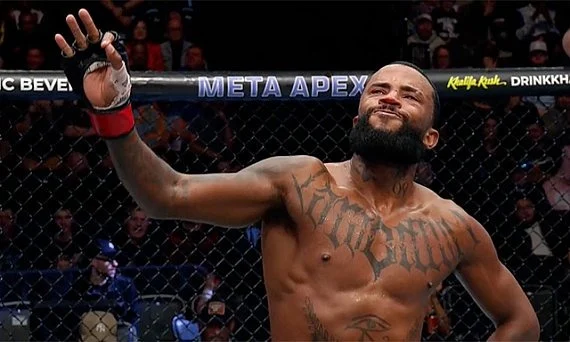
From established world champions and rugged British contenders to ambitious cruiserweights and even high-profile crossover influencers like Jake Paul, Wilder is suddenly attracting challenges from every imaginable corner of the combat sports landscape. It is a staggering reversal of fortunes for an athlete who held the prestigious WBC heavyweight strap for an imposing five-year reign, a period during which opponents actively schemed, ducked, and negotiated tirelessly to avoid standing directly across the canvas from his concussive power.
While Wilder’s name recognition remains remarkably strong—ensuring he commands attention whenever his next move is discussed—the hesitation that once paralyzed the division has evaporated. Fighters who might have previously prioritized self-preservation and steered well clear of his signature weapon are now openly campaigning for a high-stakes showdown, viewing the American slugger not as an untouchable titan, but as a marquee name and a viable pathway back to relevance or championship glory.
Wilder’s Growing List of Rivals
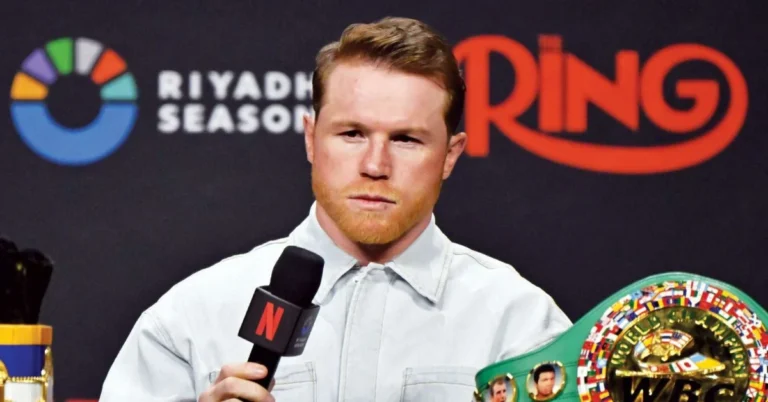
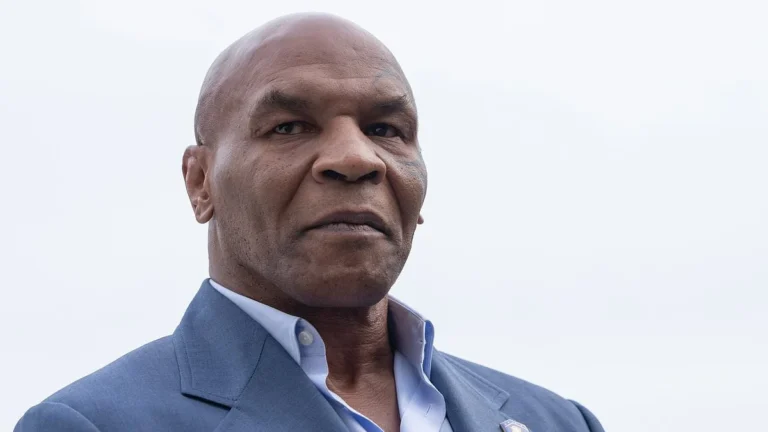
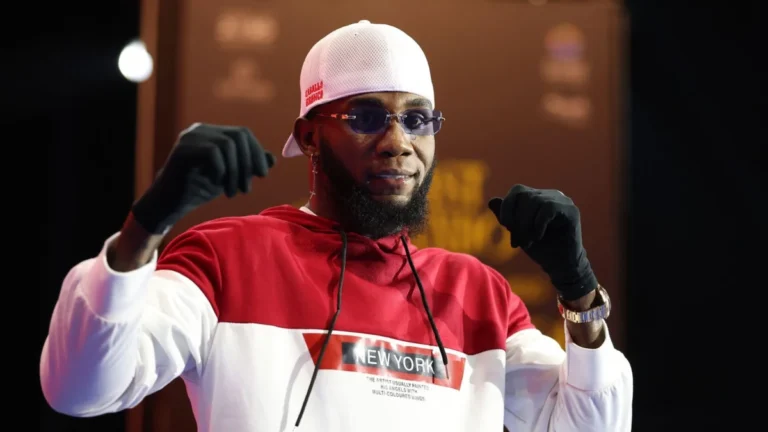
The modern queue of fighters eager to step into the ring with the Tuscaloosa native features a fascinating cross-section of the sport. Prominent UK heavyweights Dave Allen, Dillian Whyte, and Johnny Fisher have all thrown their hats into the ring, expressing a firm desire to secure a lucrative or career-defining matchup against Wilder during the course of 2026.
Whyte notably renewed his long-running pursuit of the American puncher, openly accusing Wilder of spending years avoiding a clash that the Briton has chased for the better part of a decade. Meanwhile, young contender Johnny Fisher remarked that sharing the ring with a former champion of Wilder’s stature would be an absolute honor, though he simultaneously made it clear that his primary objective would be to secure a highlight-reel knockout of his own. Dave Allen was also heavily linked with a potential stadium showdown in Sheffield, though fluctuating promotional landscapes ultimately shifted his immediate attention toward alternative domestic opportunities.
Yet, the rising tide of challenges extends far beyond the traditional heavyweight limits. Elite cruiserweight standout Jai Opetaia has rapidly emerged as a frontrunner to face Wilder on a blockbuster card slated for December 11, specifically targeting the highly anticipated undercard of the Tyson Fury versus Anthony Joshua event. Reports from Wilder’s own management team indicate that they formally accepted an enticing offer for this proposed inter-divisional clash, signaling a willingness to test the waters outside the premier division.
Should the Opetaia bout fall through, fellow cruiserweight titleholder Chris Billam-Smith has readily offered to step up and fill the void. Even crossover star-turned-boxer Jake Paul has brazenly added Wilder to his expanding roster of potential opponents, injecting an entirely unexpected element of mainstream spectacle into the former champion’s twilight years and illustrating just how accessible the once-feared knockout artist has suddenly become to the wider industry.

Usyk Still Wants Wilder
Not every high-profile callout directed at the former WBC kingpin is rooted in the perception of a declining fighter looking for an easy scalp. Undisputed greatness still commands respect, and unified ruler Oleksandr Usyk has steadily pursued a showdown with Wilder for years, keeping the possibility alive despite persistent promotional and financial hurdles.
Recent negotiations aimed at locking in a blockbuster matchup for March 2027 have predictably encountered heavy financial friction. Industry reports highlight that the primary sticking point revolves around the sheer magnitude of Usyk’s financial demands, which reportedly far exceeded the budgets that promotional entities like Zuffa Boxing or Saudi boxing powerbroker Turki Alalshikh were ultimately prepared to allocate for the encounter.
For Wilder, a meeting with the legendary Ukrainian would represent an extraordinary, legacy-defining opportunity, especially given that Usyk is nearing the final chapters of his storied career. However, the proposed December bout against Jai Opetaia threatens to complicate those grand ambitions significantly. Another high-profile defeat would not only derail Wilder’s current momentum but could completely extinguish any lingering hopes of securing a lucrative mega-fight with Usyk before the Ukrainian hangs up his gloves for good.
Wilder’s Remarkable Decline
The systematic unraveling of Wilder’s aura of invincibility did not happen overnight, but rather accelerated rapidly through a bruising series of defeats that began in December 2023. That winter night saw New Zealand’s Joseph Parker box circles around the American en route to a comprehensive, one-sided unanimous decision victory that exposed glaring vulnerabilities in Wilder’s tactical approach and output.
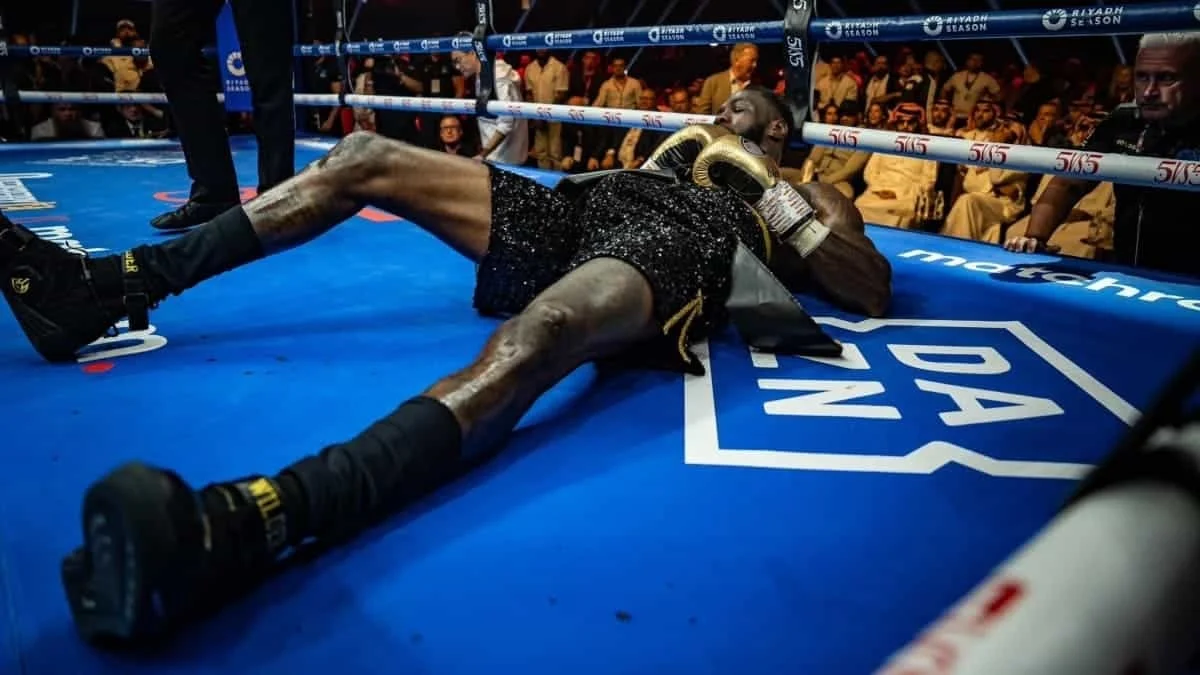
Just six months later, any hopes of an immediate rebound were violently dashed when towering Chinese puncher Zhilei Zhang stopped Wilder inside the distance, sending the former champion tumbling down the official WBC ratings and sparking urgent conversations regarding his future in the sport. A subsequent, grueling loss to British stalwart Derek Chisora provided yet another stark piece of evidence regarding how far the once-dominant knockout artist had slipped from the elite tier of the division.
During the lowest point of this turbulent slide, Wilder plummeted as low as number 15 in the WBC rankings, a humbling position for a man who had ruled the organization with an iron fist for half a decade. Yet, true to his competitive nature, Wilder rolled up his sleeves and began the arduous process of rebuilding his standing within the governing body.
Recent updates from the WBC place the American all the way back up to the number four spot in their rankings. As other top-tier heavyweights tie themselves up in mandatory title obligations, eliminators, and championship pursuits, Wilder finds himself positioned as one of the highest-ranked available contenders in the global landscape.
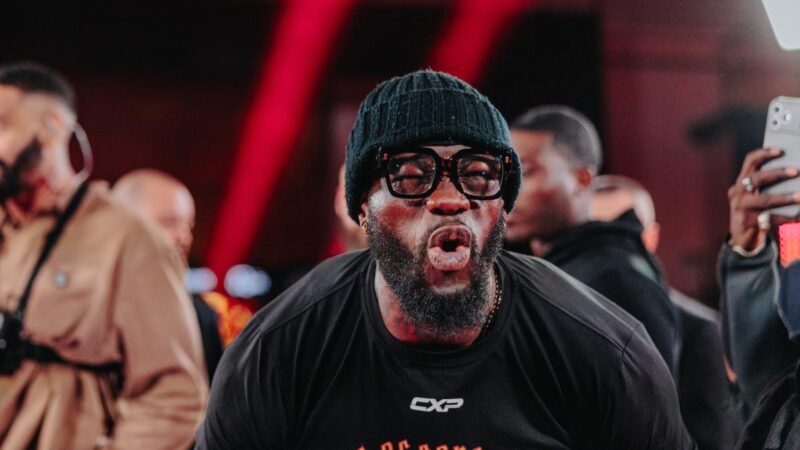
However, an improved ranking on a piece of paper has done little to restore the psychological warfare that once preceded his ring walks. Former Klitschko manager Bernd Boente offered a candid assessment of the situation in an exclusive interview, noting that while Wilder’s illustrious resume and moniker ensure he remains immensely marketable, his peak years are firmly behind him.
Boente pointed directly to the decisive losses against Parker, Zhang, and Chisora as undeniable proof that the American is long past his prime, even if promoters can still bank on his powerful name recognition to sell tickets and pay-per-views.
The Bronze Bomber’s New Reality
There was an era, not so very long ago, when Deontay Wilder’s terrifying stoppage ratio made him the most avoided man in boxing, a solitary figure sitting atop a mountain that nobody dared to climb. Today, he occupies a vastly different space in the combat sports ecosystem—pursued eagerly by ambitious fighters at completely opposite ends of their professional journeys, ranging from career cruiserweights willing to jump weight classes to younger heavyweights desperately hunting for a legendary scalp to legitimize their own resumes.
This dramatic shift in perception does not mean Wilder is completely finished as a competitive force, nor does it strip away his historic capacity to alter the course of any fight with a single, perfectly timed right hand. The physical gifts that brought him world championships remain embedded in his DNA, even if the reflexes, defensive instincts, and stamina have visibly eroded over time.
Furthermore, his newly recovered position near the top of the WBC rankings leaves the door cracked open for another improbable world title run, while Usyk’s persistent interest proves beyond a shadow of a doubt that Wilder retains a vital level of relevance at the absolute highest tier of the sport.
Ultimately, the sheer variety of fighters lining up to test their mettle against him tells the true story of where the division stands today. Deontay Wilder may still proudly carry the moniker of the Bronze Bomber, but the palpable fear that once kept the entire heavyweight landscape at a respectful distance is gone, leaving behind a veteran warrior who is now open for business to anyone brave enough to step forward.