
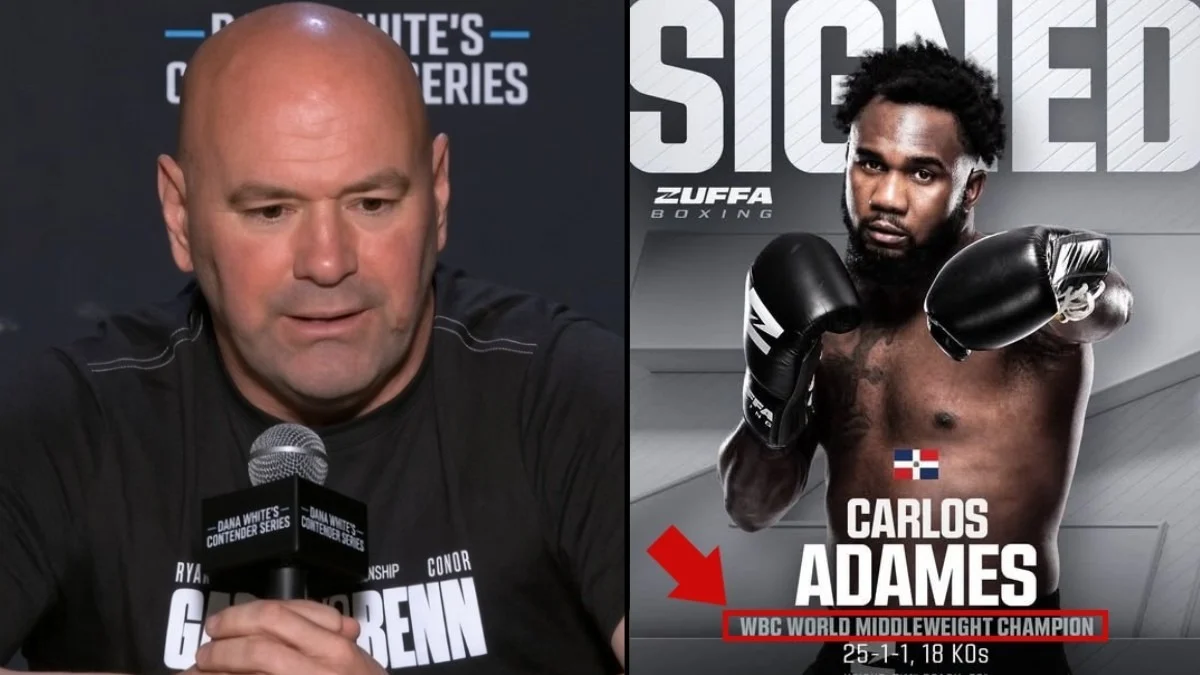
Dana White is making Zuffa Boxing U-turns left, right, and center, with the promotion now openly advertising a WBC world champion after previously refusing to work with boxing’s established sanctioning bodies or even acknowledge their titles by name.
World Boxing News has closely followed White’s continuously shifting strategic positions since he first outlined ambitious plans to disrupt the sweet science by replacing the traditional, decades-old championship structure with Zuffa’s own proprietary belts. That initial hard-line stance, heavily reminiscent of the early days of Dana White’s stewardship over the Ultimate Fighting Championship (UFC) in mixed martial arts, was designed to centralize power and brand equity entirely under the Zuffa corporate umbrella.
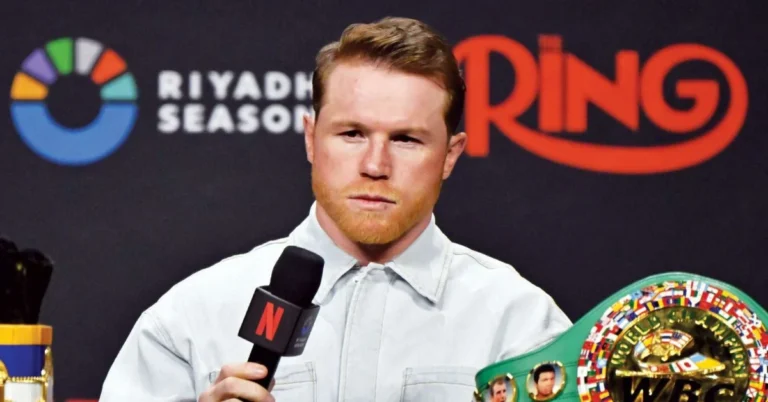
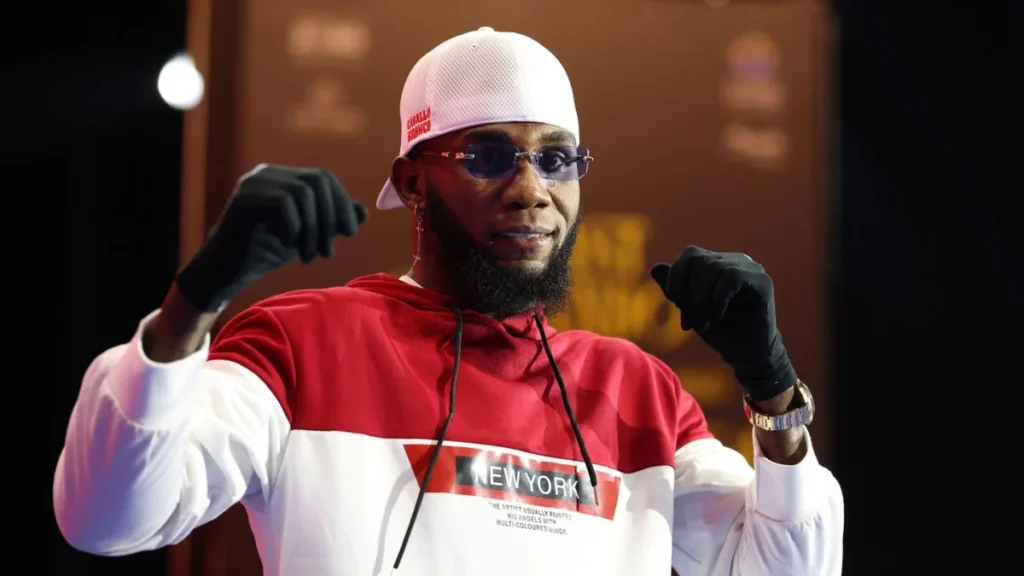
However, the combat sports landscape operates by its own historic and deeply entrenched rules, and the friction between revolutionary corporate ambition and traditional boxing politics has quickly become apparent. The latest high-profile development in this unfolding corporate saga came with the official signing of elite boxer Carlos Adames, who was proudly introduced to the public and media as the "WBC World Middleweight Champion."
For almost any other standard boxing promotion operating in the modern era, utilizing an established champion’s recognized moniker would be completely ordinary, routine business. Yet, within the context of Zuffa Boxing’s brief and turbulent history, it represents yet another significant pivot and a retreat from White’s original revolutionary promises.
The First Zuffa U-Turn
When White first laid out the blueprints for Zuffa Boxing, he was unequivocal regarding his disdain for the alphabet soup of traditional boxing organizations. He originally declared publicly that he had zero interest in working with the World Boxing Association (WBA), the World Boxing Council (WBC), the International Boxing Federation (IBF), or the World Boxing Organization (WBO).
As recently as February 2026, White reinforced that uncompromising position during media availabilities, insisting adamantly that he would charter his own course and do things entirely his own way, rather than conduct standard promotional business with the historical sanctioning bodies that have governed the sport for generations.
The promotion quickly put that rhetoric into initial motion. Zuffa crowned its very first champion in March when hard-hitting cruiserweight Jai Opetaia defeated Brandon Glanton in a high-stakes clash to capture the inaugural Zuffa-branded cruiserweight belt. It was meant to be the vanguard of a completely independent championship hierarchy.
Yet, the realities of securing top-tier talent and making major fights quickly forced a pragmatic softening of that stance. White subsequently confirmed behind closed doors and eventually in public statements that Zuffa could, in fact, work alongside established organizations on a flexible, case-by-case basis if it served the best interests of the promotion and its fighters.
The compromise became undeniable by August. During the Zuffa Boxing 10 event held in Dublin, Ireland, rising star Aaron McKenna stepped into the ring and successfully captured the vacant IBF middleweight title. White’s original, uncompromising refusal to touch traditional belts had already devolved into a full-scale operational compromise, paving the way for further integration with the sport’s traditional power structures.
Now Zuffa Names the WBC
The second major U-turn is perhaps even more fascinating to industry analysts because World Boxing News thoroughly documented Zuffa’s deliberate reluctance to identify established world titles throughout the entirety of August.
When Noel Mikaelian was initially announced as Opetaia’s next high-profile opponent, Zuffa’s promotional material went out of its way to avoid mentioning the WBC entirely. Instead, the reigning WBC cruiserweight champion was described vaguely and safely as a "two-time world champion."
Similarly, the promotion carefully avoided naming the IBF when promoting Aaron McKenna’s title fight in Dublin. Meanwhile, a blockbuster matching of stars like Ryan Garcia against Conor Benn was heavily promoted around the concept of a world championship without ever identifying the WBC as the governing entity behind the accolade.
Industry analysis at the time suggested a calculated long-term strategy: Zuffa could gradually build independent recognition and consumer awareness for its own proprietary championship lineage by describing every visiting titleholder simply as a "world champion," thereby intentionally downplaying which specific organization actually awarded the physical belt.
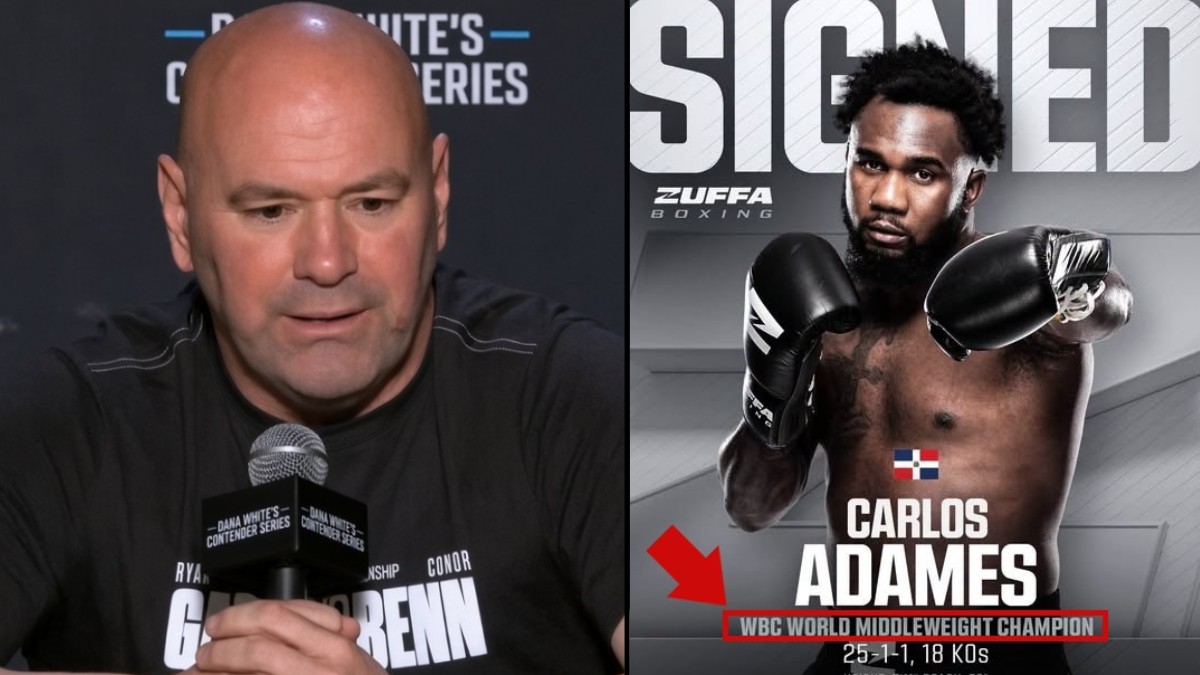
Now, just two months after adopting that cautious naming strategy, Zuffa has completely reversed course. The promotion is now prominently displaying the prestigious WBC name directly alongside Carlos Adames in all promotional materials surrounding his signing.
When reporters recently questioned White about this sudden and stark change in operational transparency, he shrugged off the notion that it represented a fundamental shift in strategy. White remarked that it was not a matter of "having or not having a relationship" with the organization, before quickly shifting the conversation back to the competitive depth of Zuffa’s growing middleweight division.
Despite White’s attempts to downplay the significance, this public embrace of the WBC marks a considerable and undeniable departure from the original anti-establishment messaging that accompanied the launch of the Zuffa Boxing banner.
The Business Model Changes
Beyond the nomenclature used in fighter announcements, there are unmistakable signs that Zuffa’s wider commercial strategy is drifting steadily closer to conventional, traditional boxing promotion.
Alongside the acquisition of Adames, Zuffa has also secured the promotional rights of WBO middleweight champion Denzel Bentley. Crucially, the organization is actively allowing its signed athletes to step into the ring and compete for traditional, historic championships sanctioned by the very bodies White once vowed to ignore.
These progressive developments suggest a far more flexible, pragmatic approach than the original grand vision of operating as a totally isolated, independent ecosystem parallel to boxing’s established institutions. That being said, Zuffa has not completely abandoned its own freshly minted championship structure, attempting instead to ride a dual-track model.
White’s Next Move
From a purely operational standpoint, Dana White is fully entitled to change his approach and adapt his strategies, particularly if doing so helps Zuffa secure bigger fights, land stronger television or streaming deals, and sign elite-tier fighters who refuse to relinquish their historic championship status.
However, the stark contrast between his original hard-line rhetoric and his current promotional reality is becoming increasingly difficult to ignore. The evolution has been swift and transparent: first, Zuffa adamantly proclaimed it would never work with sanctioning bodies; then, it conceded it would consider them on a strict case-by-case basis; and now, it is openly and proudly utilizing the WBC brand name to market a newly signed world champion.
This series of concessions also forces industry observers to scrutinize the long-term value and legitimacy of Zuffa’s newly created proprietary belts. When stacked up against established world championships that carry decades of rich history, deep lineage, and global recognition, the corporate-created alternatives face an uphill battle for authentic sporting prestige.
Nothing in the promotion’s recent statements confirms that White intends to entirely scrap his own custom championship system. Nevertheless, the repeated strategic retreats suggest that his original, uncompromising approach has proven unsustainable in the complex, highly political world of elite professional boxing.
For a promotional entity that arrived on the global sporting scene boldly promising to completely disrupt the status quo and do things entirely differently, Zuffa Boxing is beginning to look remarkably familiar.