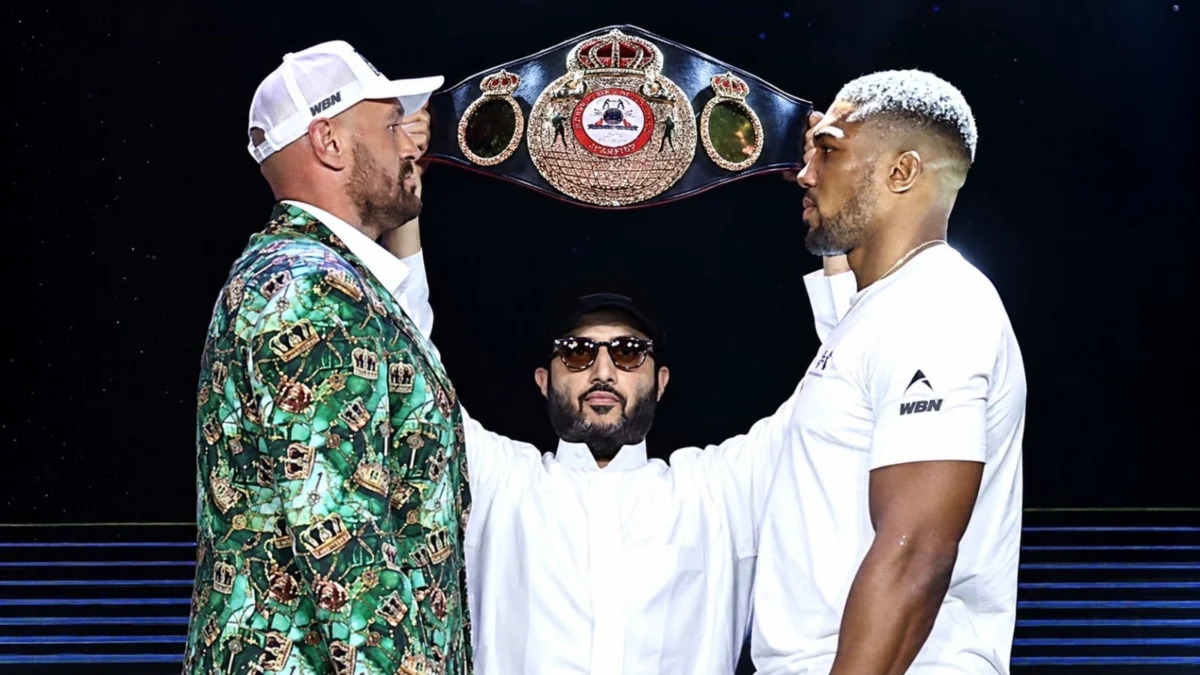
An extensive investigation into the World Boxing Association (WBA) rulebook has revealed the specific mechanism that allows a brand-new heavyweight world title to be created for the upcoming showdown between Tyson Fury and Anthony Joshua.
Scheduled for December 11 at the Principality Stadium in Cardiff, the high-profile British collision will feature the vacant WBA Super heavyweight championship. However, the decision to attach one of the sport’s most prestigious titles to the contest has raised significant debate across the boxing world. Neither Fury nor Joshua currently holds a world or lineal championship, and both men are entering the bout following back-to-back defeats against undisputed ruler Oleksandr Usyk.
Despite these recent setbacks, the WBA has opted to sanction the contest for its top-tier heavyweight crown. An examination of the sanctioning body’s official championship regulations and historical precedents reveals how the organization bypassed its standard ranking procedures to engineer this title fight, breaking unprecedented ground in the history of world championship boxing.
The WBA Super Champion Rule and Discretionary Powers
To understand how a vacant Super championship can be placed on a fight between two contenders without titles, one must examine the governing regulations of the WBA. Under normal operational guidelines, the organization maintains a structured hierarchy that separates its standard "World" champions from its elevated "Super" champions.
Under WBA Rule C.17, the sanctioning body retains the explicit authority, under exceptional circumstances, to designate an existing World champion as a Super Champion and outline the specific criteria surrounding that title. Under standard conditions, this rule provides a clear path for elevation. In the current heavyweight division, Murat Gassiev is already recognized as the official WBA World heavyweight champion, while Jarrell Miller occupies the number-one contender position in the organization’s official rankings. Fury and Joshua currently sit below them at number two and number three, respectively.
Had the WBA strictly adhered to the traditional application of Rule C.17, the logical pathway would have involved elevating Gassiev from his position as WBA World champion to the status of Super Champion, thereby recognizing his active titleholder standing.
Recent history demonstrates that the WBA frequently utilizes this standard elevation protocol. A clear example occurred in the welterweight division, where Jaron Ennis became the WBA welterweight Super Champion in 2025 after defeating the reigning WBA World champion Eimantas Stanionis. Following that transition, Rolando Romero subsequently stepped into the position of the organization’s World champion.
However, the WBA has chosen a markedly different administrative strategy for the December 11 heavyweight bout in Cardiff. Rather than elevating Gassiev or granting the top-ranked Miller an immediate opportunity at the superior belt, the sanctioning body activated a separate discretionary provision embedded within its regulatory framework.
The WBA’s official regulations contain specialized exceptional-circumstances clauses that empower the organization to suspend, modify, or completely set aside the strict application of its standard rules. This authority can be invoked for bouts deemed to possess extraordinary recognized importance or global significance, including the establishment of a new Super Championship.
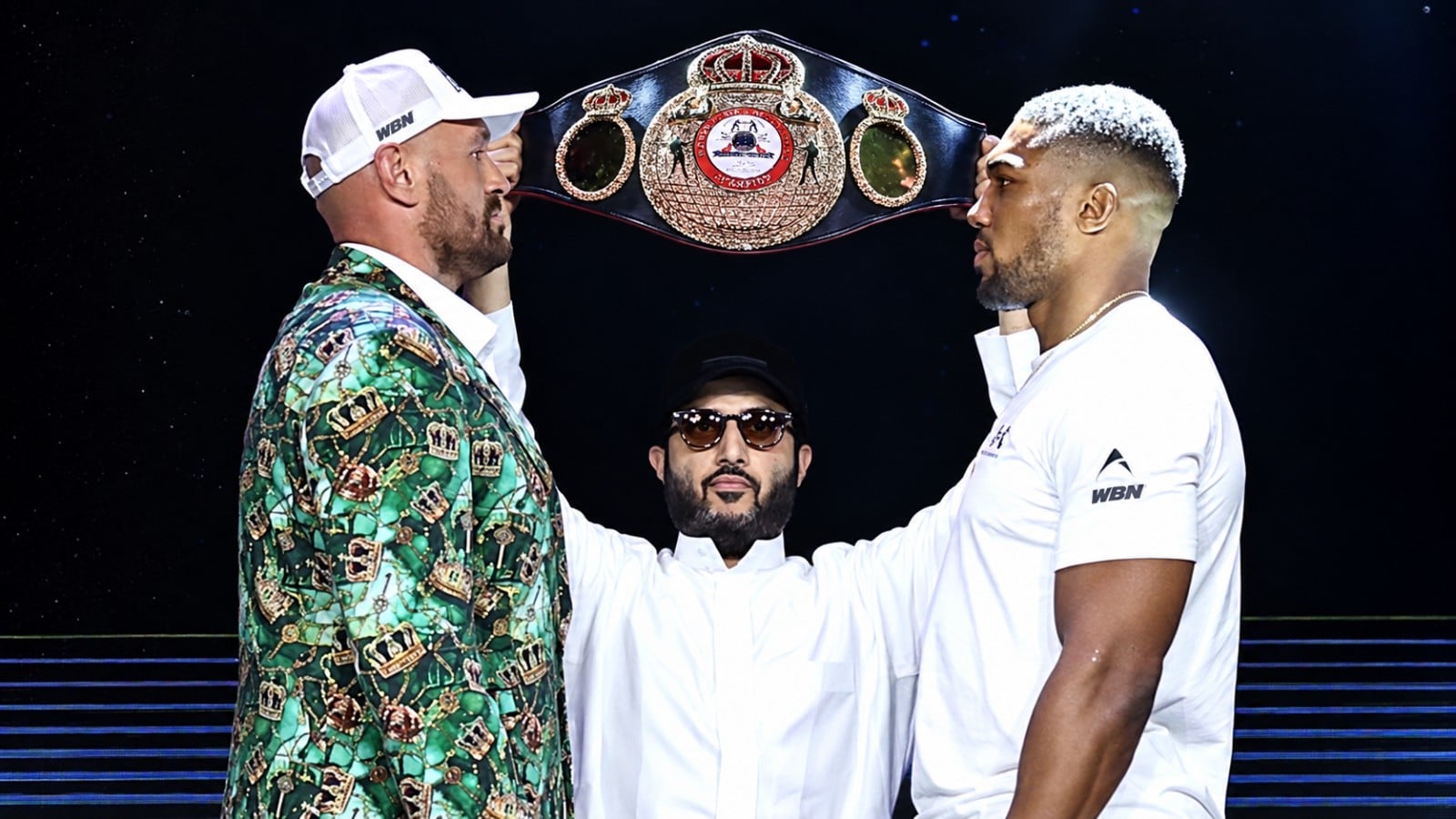
This specific regulatory flexibility provides the exact legal and administrative mechanism required for the WBA to place its primary heavyweight belt directly onto the Fury vs. Joshua match, completely bypassing the requirement that either participant enter the ring as an active titleholder or lineal champion.
Historical Precedents and Unprecedented Territory
An exhaustive review of previous WBA Super Championship contests across all weight classes highlights just how unusual this ruling is. Historical records indicate that the WBA has never before selected two fighters who held neither a world championship nor a lineal title to contest a vacant Super Championship.
While superficially similar instances exist in boxing history, a detailed comparison reveals significant structural differences that set those past events apart from Fury vs. Joshua.
One frequently cited comparison occurred in April 2017, when Anthony Joshua faced Wladimir Klitschko at Wembley Stadium for the vacant WBA Super heavyweight title. While that fight featured a vacant Super belt, the fundamental circumstances were entirely different: Joshua entered the ring as the active, defending IBF heavyweight champion. The WBA Super title was offered as a unification incentive for an existing world titleholder, fulfilling the traditional concept of a "Super" championship.
Another notable precedent took place in the lightweight division in February 2009. In that instance, Juan Manuel Marquez and Juan Diaz met to contend for the vacant WBA Super lightweight championship, despite Paulus Moses already holding the recognized WBA World lightweight title. That decision confirmed that the WBA possessed the historical precedent to place a newly established Super Champion directly above a reigning, active World champion.
However, a closer look at Marquez vs. Diaz underscores major differences in championship credentials:
- Juan Manuel Marquez entered the ring as the legitimate The Ring magazine lightweight champion.
- Juan Diaz entered holding the IBO lightweight championship, a belt that enjoyed significantly higher standing and recognition at that time than in today’s landscape.
- Multiple Belts: The vacant WBO lightweight championship was simultaneously up for grabs in the bout.
While the WBA has previously installed a Super Champion above an existing World titleholder, it has never done so for two competitors who brought no championship credentials into the ring whatsoever.
By sanctioning Fury vs. Joshua for the vacant Super title while Gassiev holds the World title and Miller holds the number-one contender spot—and with both combatants coming off dual losses to Usyk—the WBA is breaking genuinely uncharted territory in modern boxing governance.
Historical Impact and the "Three-Time Champion" Controversy
The regulatory decision to approve the Cardiff bout as a Super Championship fight carries significant implications for the official boxing record books.
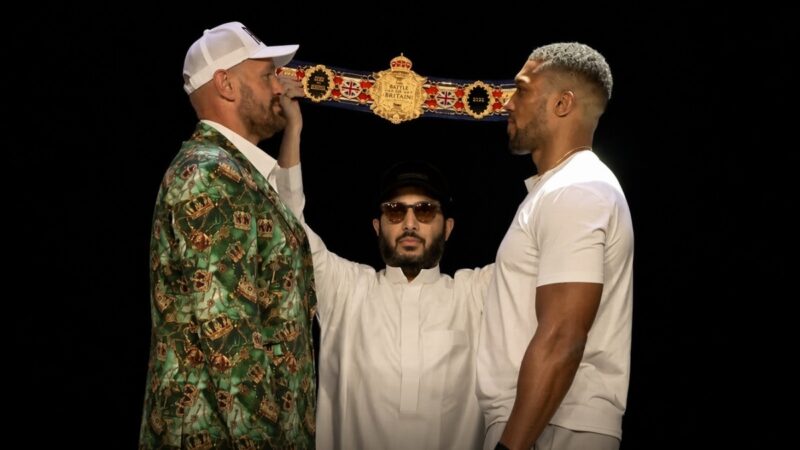
Should either man emerge victorious on December 11, the WBA will officially recognize the winner as a three-time heavyweight world champion. On paper, this distinction places the victor alongside a rare group of legendary heavyweights, including Muhammad Ali and Lennox Lewis, who each achieved three separate heavyweight championship reigns during their careers.
However, sports journalists, media outlets, and boxing purists are questioning whether this achievement will carry authentic historical weight:
- Unseated Champion: Neither Fury nor Joshua defeated the recognized WBA champion, Murat Gassiev, to claim the belt.
- Bypassed Rankings: Neither fighter holds the number-one ranking within the sanctioning body, as Jarrell Miller occupies that slot.
- Lack of Belts: Neither combatant brings a secondary or unified title to legitimate the Super Champion designation.
The WBA’s decision effectively attaches its top heavyweight title to one of the most commercially lucrative events in modern combat sports. While there is no explicit assertion that financial considerations dictated the organization’s ruling, the unique circumstances of the decision remain open to public scrutiny.
Industry Resistance and Pressure on Sanctioning Bodies
The decision to invent a top-tier title for two unbelted contenders may accelerate growing friction within the broader combat sports industry.
Traditional sanctioning bodies have faced increasing public pressure and commercial competition in recent years. Emerging organizational entities, including Zuffa Boxing and TKO, have openly challenged the traditional structure of professional boxing. These organizations frequently criticize the abundance of confusing titles, mandatory delays, and controversial sanctioning decisions, advocating instead for streamlined operational models that grant promoters greater control over championship designations.
Rulings that utilize exceptional clauses to place newly created belts above existing active champions risk eroding public confidence in standard ranking systems. Critics argue that such moves provide additional leverage to industry disruptors who seek to bypass or eliminate traditional sanctioning bodies altogether.
Ultimately, the December 11 clash between Tyson Fury and Anthony Joshua stands as one of the most anticipated events in modern British boxing history. The rivalry, scale, and star power of both heavyweights ensured that the fight would command massive global pay-per-view audiences on its own merits. Yet, by utilizing its discretionary powers to manufacture a vacant Super title for the occasion, the WBA has placed its administrative processes under intense scrutiny.
About the Author
Phil Jay is the Editor-in-Chief of World Boxing News (WBN), a BWAA-acknowledged boxing news website founded in 2010. A veteran boxing reporter with 16 years of industry experience, he has interviewed world champions, broken international exclusive stories, and reported ringside from major global events. His work is published worldwide through WBN and distributed across major digital media platforms, including Apple News.