

A seismic shift in the combat sports media landscape has emerged alongside one of the most consequential heavyweight buildups in modern boxing history, as streaming giant DAZN has acquired a controlling stake in The Ring Magazine. The landmark transaction, initially reported by veteran boxing journalist Tris Dixon, marks another major realignment of authority, commercial leverage, and editorial influence within the sweet science. At the same time, the broader boxing world continues to digest the fiery exchanges and strategic theatrics from the long-awaited Tyson Fury versus Anthony Joshua promotional press conference, two monumental stories that formed the focal point of recent reactions and analysis from commentators Dan and Chris.

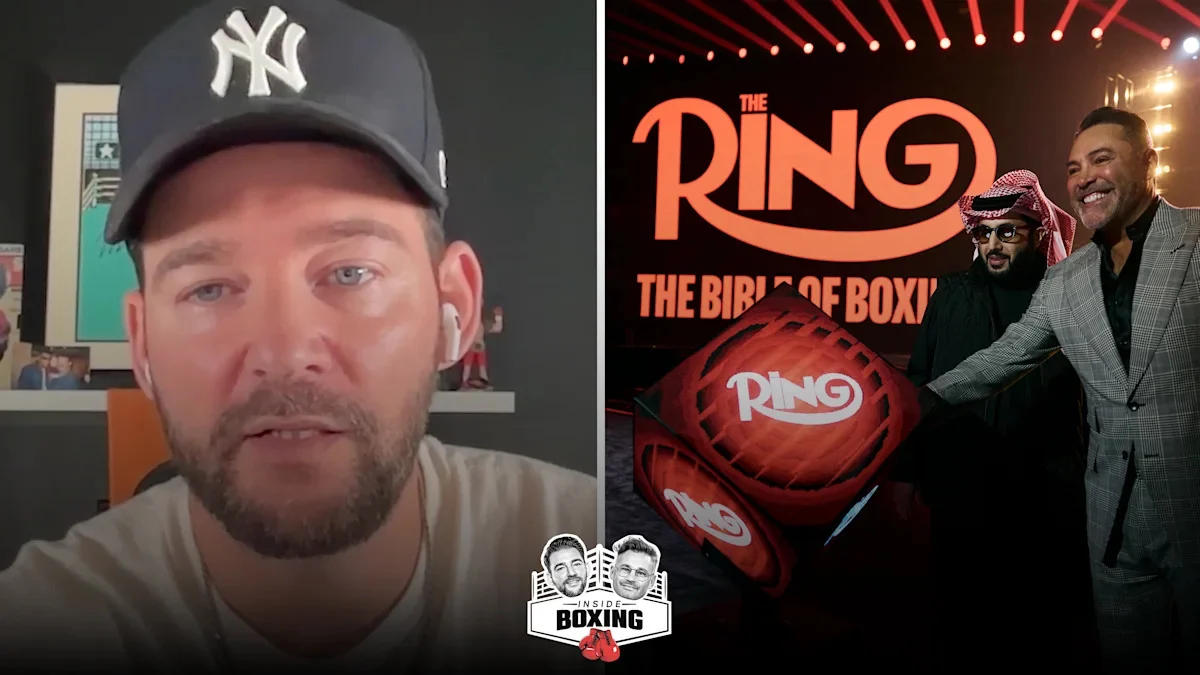
The acquisition of The Ring by DAZN represents a profound turning point for the century-old institution often revered by purists as "The Bible of Boxing." Founded in 1922, the publication has stood for generations as the standard-bearer for boxing journalism, archival history, and the lineal determination of true world champions through its universally recognized championship belts. However, its contemporary ownership history has frequently found itself entangled in complex questions regarding independence, corporate alignment, and perceived industry favoritism.
For the past several years, The Ring has operated under the ownership and overarching influence of Turki Alalshikh, the prominent chairman of Saudi Arabia’s General Entertainment Authority and the principal architect behind the Riyadh Season boxing extravaganzas. While Alalshikh’s aggressive financial backing helped revitalize premier international matchmaking and rescued the print edition of the historic magazine from near-extinction, the arrangement undeniably intensified long-standing ethical scrutiny. Throughout the sport, observers and insiders continuously questioned whether an elite publication responsible for objective fighter rankings, annual awards, and definitive world title belts could legitimately maintain unvarnished impartiality while being financed by the very individual staging, underwriting, and directing the sport’s biggest commercial promotions.

The reality of that conflict of interest forms the backdrop against which DAZN’s acquisition is now being weighed. As Dan and Chris outlined in their extensive evaluation of Dixon’s reporting, the transfer of a controlling stake to a major international sports streaming broadcaster raises immediate questions about the magazine’s future governance and the autonomy of its coveted championship belt. While the transaction shifts the publication away from the direct, singular control of a solitary government-backed fight organizer, it simultaneously moves the property into the hands of a commercial platform that maintains exclusive broadcast agreements with top-tier promotional outfits, managerial stables, and individual fighters across the globe.
The central dilemma confronting The Ring has long centered on how a commercial stakeholder preserves an editorial wall between its business interests and its journalistic integrity. When a single entity controls both the platform on which fights are presented and the century-old rankings system that determines who deserves championship status, the potential for conflicting priorities remains ever-present. Boxing enthusiasts and industry traditionalists have consistently voiced skepticism whenever ranking panels appear to elevate fighters signed to affiliated broadcast partners or prominent promotional stables over equally deserving contenders competing on rival platforms. Whether DAZN’s controlling interest will offer an insulated, transparent governance structure for The Ring’s editorial staff and ratings panel, or merely introduce a new set of commercial allegiances, remains the subject of intense debate among media analysts and the boxing community at large.

At the heart of the ongoing discussion is the fate and reputation of the Ring Magazine championship belt itself. Unlike the sanctioning body belts offered by the World Boxing Association, World Boxing Council, International Boxing Federation, and World Boxing Organization—organizations notorious for charging exorbitant sanctioning fees, manufacturing interim titles, and enforcing erratic mandatory challenger rotations—the Ring belt was conceptualized to rise above fractured commercial politics. Designed to honor the legitimate, lineal conqueror of a weight class who defeated the previous champion or emerged victorious in an authentic clash between the top two ranked contenders, the Ring title has carried unmatched historical prestige. However, its validity relies almost exclusively on collective trust. Should the public or the fighters themselves perceive that the belt’s awarding policies or division rankings are influenced by a streaming network’s promotional schedule or corporate agenda, the singular authority that distinguishes the belt risks being irrevocably diluted.
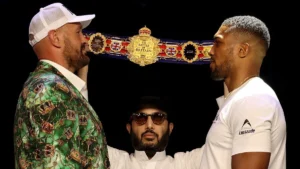
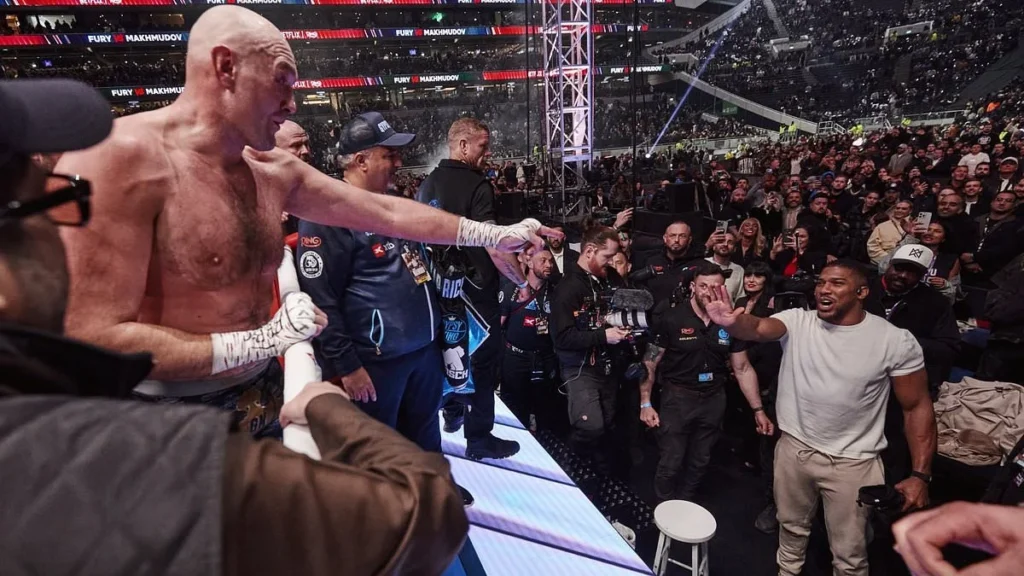
This governance shift arrives during a period of monumental sporting anticipation, underscored by the explosive press conference between Tyson Fury and Anthony Joshua. Dan and Chris devoted significant attention to the verbal sparring, psychological posturing, and promotional dynamics that defined the event. The prospective collision between the two British heavyweight icons has occupied the collective consciousness of the sport for the better part of a decade, representing a rare convergence of elite athletic stakes, national rivalry, and staggering box-office potential.

The press conference laid bare the contrasting paths and complex motivations that both men bring into this climactic chapter of their careers. Tyson Fury, a former two-time Ring Magazine heavyweight champion who earned the lineal mantle by defeating Wladimir Klitschko in 2015 and reclaimed it against Deontay Wilder in 2020, entered the face-off with his trademark blend of theatrical intimidation, psychological warfare, and unorthodox charisma. Fury’s approach sought to disrupt the composed demeanor of his counterpart, questioning his resolve, his record under adversity, and his entitlement to the heavyweight throne.
In response, Anthony Joshua presented a focused, deliberate posture, reflecting a fighter who has navigated substantial rebuilding phases, tactical evolutions, and intense public scrutiny throughout his championship tenure. For Joshua, who held multiple unified sanctioning body titles across two separate reigns but has persistently chased the absolute affirmation of lineal and undisputed supremacy, the clash against Fury offers the ultimate chance for legacy solidification. The intensity of their exchanges during the public presentation signaled not merely a professional obligation to market an arena spectacle, but an authentic personal animosity forged through years of missed opportunities, social media sniping, and conflicting promotional loyalties.

The simultaneous occurrence of the Fury-Joshua media launch and the DAZN-Ring Magazine transaction highlights the intricate web of contemporary boxing, where major prizefights and corporate media maneuvers are fundamentally intertwined. DAZN has positioned itself as the preeminent global home for elite boxing, heavily investing in broadcast rights, high-profile pay-per-view distribution, and strategic content properties. Securing a controlling position in The Ring allows the network to incorporate the magazine’s deep archival legacy, multimedia potential, and historical brand equity directly into its global ecosystem. Yet, as commentators Dan and Chris emphasized in their breakdown, the credibility of the outlet as an independent authority can only survive if its editorial staff, led by respected journalists like Tris Dixon, is granted complete independence to critique, rank, and report on the sport without institutional interference.
The broader conversation initiated by these dual developments reflects a critical crossroads for the sport. On one front, the physical reality of boxing reaches its commercial zenith through high-stakes heavyweight confrontations like Fury versus Joshua, where individual greatness is contested inside the ropes before millions of viewers worldwide. On the other, the administrative, journalistic, and commercial machinery operating behind the scenes continues to consolidate, raising fundamental questions about institutional oversight, editorial truth, and the governance of boxing’s most treasured traditions. As DAZN assumes controlling command of The Ring and the heavyweight division prepares for its defining all-British showdown, the sporting world watches closely to see how the sport’s past prestige will be preserved in its rapidly evolving commercial future.